

Types, Characteristics, and Applications of Pelletized Material Pneumatic Conveying Systems
Pelletized material pneumatic conveying is a critical technology in material handling, offering efficient and flexible solutions for transporting granular or powdered materials like pelletized products. The process involves using air or gas to move materials through a pipeline system, eliminating the need for mechanical components such as belts or buckets. This method is widely adopted in industries ranging from construction to chemical processing, where reliable and low-maintenance material transport is essential. HeadPowder, a leading provider of material handling solutions, specializes in designing and manufacturing pneumatic conveying systems tailored to the unique needs of pelletized material transport. HeadPowder is headquartered in Shandong, China, with a strong commitment to delivering high-quality, reliable equipment for global clients.
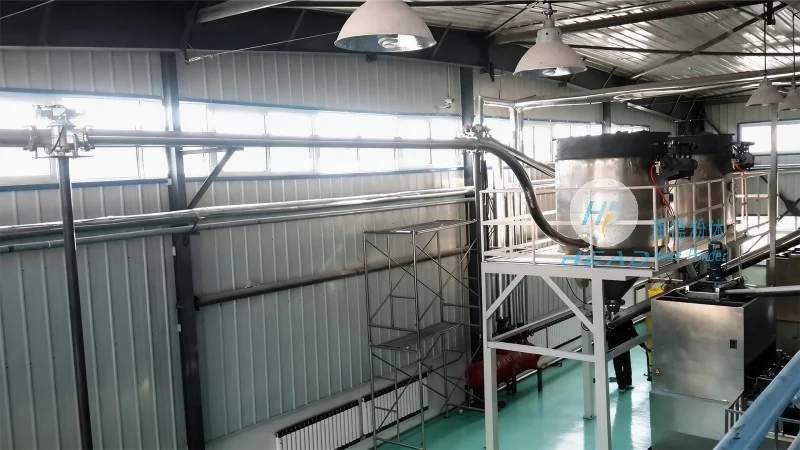
Key Types of Pelletized Material Pneumatic Conveying
There are primarily two main types of pneumatic conveying systems used for pelletized materials: low-pressure and high-pressure systems. Each type has distinct characteristics and is suited to different operational requirements.
1. Low-Pressure Pneumatic Conveying Systems
Low-pressure systems operate at air pressures typically ranging from 0.5 to 1 bar (7.25 to 14.5 psi). These systems are commonly used for short to medium-distance transport of light to medium-density pelletized materials. The primary characteristic of low-pressure systems is their lower energy consumption compared to high-pressure counterparts, making them cost-effective for applications where the material is not highly abrasive or where the distance is limited. They are often employed in industries such as food processing and pharmaceuticals, where gentle handling of the product is crucial. The system typically uses a vacuum or low-pressure air source to draw material from the source to the destination, ensuring minimal product degradation.
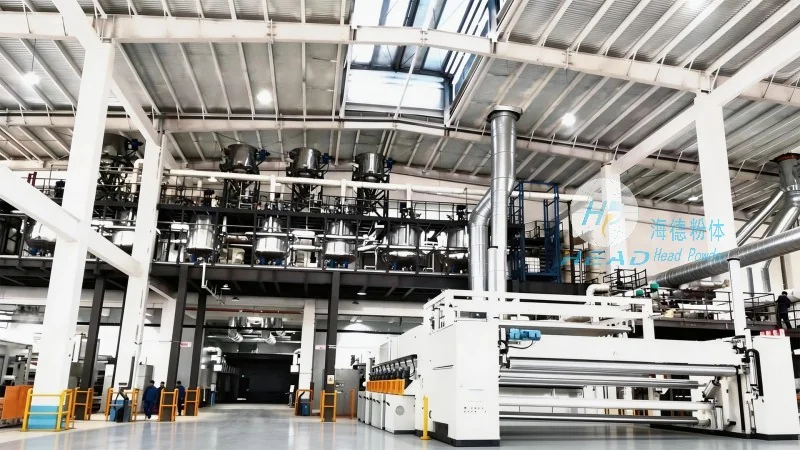
2. High-Pressure Pneumatic Conveying Systems
High-pressure systems operate at pressures exceeding 1 bar, often up to 10 bar (145 psi) or more. These systems are designed for long-distance transport of dense or heavy pelletized materials, such as those used in construction or mining industries. The high-pressure air or gas provides greater force to move the material through the pipeline, allowing for higher conveying rates and longer distances without significant pressure drop. High-pressure systems are more complex and require robust components to withstand the higher pressures, but they offer superior efficiency for large-scale operations. They are commonly used in applications where the material has high abrasiveness or where the transport distance is extensive, such as transporting aggregates or industrial powders over several kilometers.
3. Suction (Induced-Flow) Pneumatic Conveying
Suction or induced-flow systems use a vacuum at the receiving end to draw material from the source. This type of system is particularly suitable for handling fine or light pelletized materials that might be difficult to move by pressure alone. The vacuum creates a pressure differential that pulls the material into the pipeline, making it ideal for applications where the material is generated at a point and needs to be transported to a central location. Suction systems are often used in environments where the material is dusty or where the source is elevated, as the vacuum can effectively capture and transport the material without the need for a separate feeding mechanism. They are commonly employed in industries like agriculture and food processing, where the material is often loose and requires gentle handling.
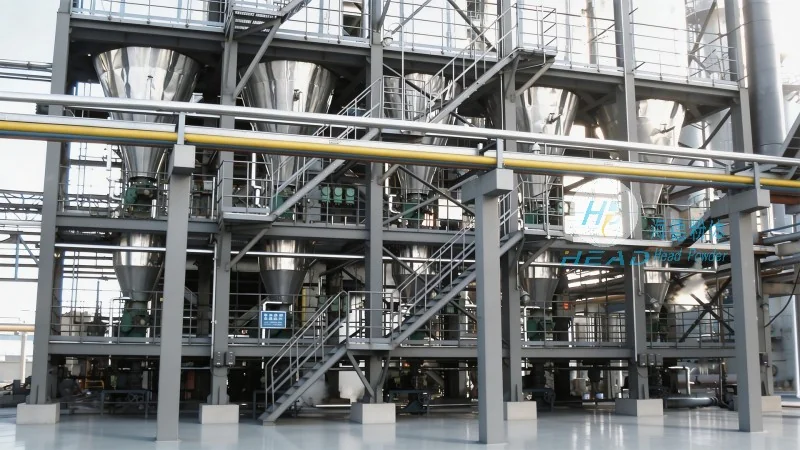
4. Pressure (Blow-Flow) Pneumatic Conveying
Pressure or blow-flow systems use compressed air or gas to push material through the pipeline from the source to the destination. This type of system is well-suited for transporting dense or heavy pelletized materials over short to medium distances. The pressure at the source forces the material to move through the pipeline, ensuring a consistent flow rate and preventing blockages. Pressure systems are commonly used in applications where the material is abrasive or where the transport distance is relatively short, such as in manufacturing plants where raw materials are moved from storage to processing units. They are also effective for handling materials that are prone to caking or agglomeration, as the high pressure helps maintain the material's flowability.
Characteristics of Pelletized Material Pneumatic Conveying
Each type of pneumatic conveying system for pelletized materials exhibits unique characteristics that influence its suitability for specific applications. The choice of system depends on factors such as material properties, distance, and operational requirements.