Fly ash, a byproduct of coal combustion, is a critical material in various industrial applications. Efficient and reliable transportation of fly ash is essential for maintaining operational efficiency and compliance with environmental regulations. Pneumatic conveying systems have emerged as a preferred method for handling fly ash due to their ability to transport materials in a dust-free environment, reduce labor costs, and enhance safety. This article explores the different types of fly ash pneumatic conveying systems, their key characteristics, and the diverse application ranges where they are utilized.
Overview of Fly Ash Pneumatic Conveying Systems
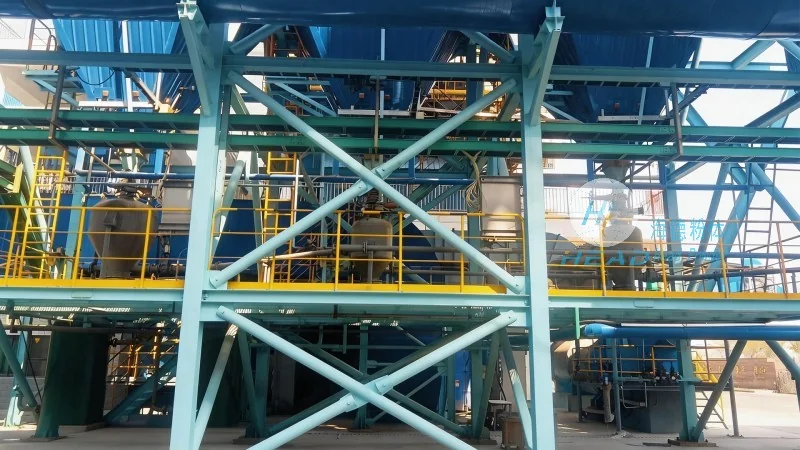
Pneumatic conveying systems use air or gas to transport solid materials like fly ash through a pipeline network. These systems are categorized based on the direction of air flow and the method of material feeding. The two primary types are aspiration (or suction) systems and pressure (or blow) systems. Each type has distinct advantages and is suitable for different operational conditions and material handling requirements.
Types of Fly Ash Pneumatic Conveying Systems
1. Aspiration (Suction) Pneumatic Conveying Systems
Aspiration systems operate by creating a negative pressure at the material inlet, drawing the fly ash into the pipeline using a vacuum pump. This type of system is ideal for applications where the material needs to be collected from multiple sources or where the material is located at a lower elevation than the discharge point. The key features of aspiration systems include:
- Ability to handle long conveying distances with minimal pressure drop.
- Effective for transporting fly ash from multiple collection points to a central processing facility.
- Lower initial investment compared to pressure systems, as they do not require high-pressure air compressors.
However, aspiration systems have limitations, such as lower conveying capacity and the need for careful design to prevent air leakage and maintain vacuum levels. They are commonly used in applications where the fly ash is generated at a single source and needs to be transported to a nearby processing plant.
2. Pressure (Blow) Pneumatic Conveying Systems
Pressure systems use a positive pressure generated by an air compressor to push the fly ash through the pipeline. These systems are suitable for applications requiring high conveying rates, long distances, or when the material needs to be discharged at a higher elevation than the inlet. The main characteristics of pressure systems include:
- Higher conveying capacity and ability to transport fly ash over longer distances.
- Flexibility in system layout, allowing for multiple discharge points from a single inlet.
- Ability to handle abrasive materials like fly ash without significant wear on components.
Pressure systems typically require more maintenance due to the higher pressure and temperature of the air, and they may have higher energy consumption compared to aspiration systems. They are widely used in power plants, cement factories, and other industrial facilities where large volumes of fly ash need to be transported efficiently.
Key Features of Fly Ash Pneumatic Conveying Systems
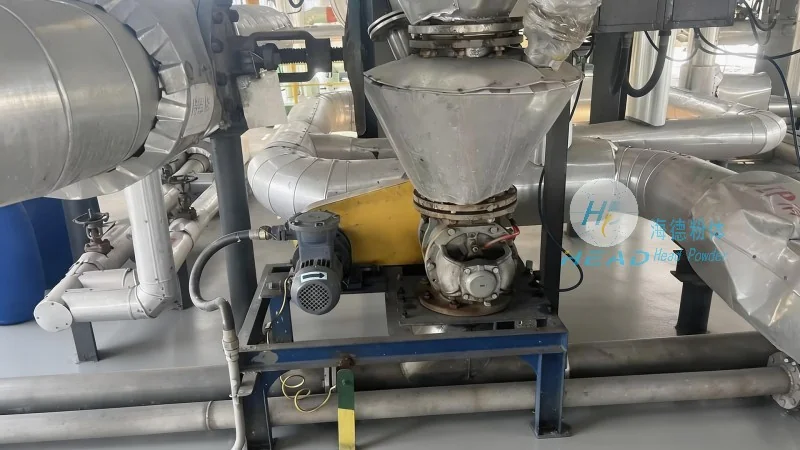
Regardless of the type, modern fly ash pneumatic conveying systems share several key features that enhance their performance and reliability:
- Material Handling Efficiency: These systems can transport fly ash at high speeds, reducing the time and labor required for material transfer.
- Dust-Free Operation: By enclosing the material in a pipeline, pneumatic conveying systems prevent dust emissions, improving workplace safety and environmental compliance.
- Customizable Design: Systems can be tailored to specific operational requirements, including conveying distance, material flow rate, and system layout.
- Low Maintenance: Advanced materials and components, such as wear-resistant pipes and efficient air compressors, minimize downtime and maintenance costs.
Application Ranges of Fly Ash Pneumatic Conveying Systems
Fly ash pneumatic conveying systems are employed in a wide range of industries and applications, each with specific requirements for material handling and processing. The following are some of the primary application ranges:
1. Power Generation Industry
In coal-fired power plants, fly ash is generated as a byproduct of combustion. Pneumatic conveying systems are used to transport fly ash from the boiler to storage silos or to other processing facilities. This allows for efficient utilization of fly ash as a raw material in cement production or as a filler in construction materials. The systems must handle large volumes of fly ash and operate continuously to support the plant's production schedule.
2. Cement Manufacturing
Cement manufacturers use fly ash as a supplementary cementitious material (SCM) to improve the properties of concrete. Pneumatic conveying systems are used to transport fly ash from storage silos to the cement grinding mills or to the concrete mixing plants. The systems ensure a consistent supply of fly ash, which is crucial for maintaining the quality and consistency of the cement product.
3. Construction and Building Materials
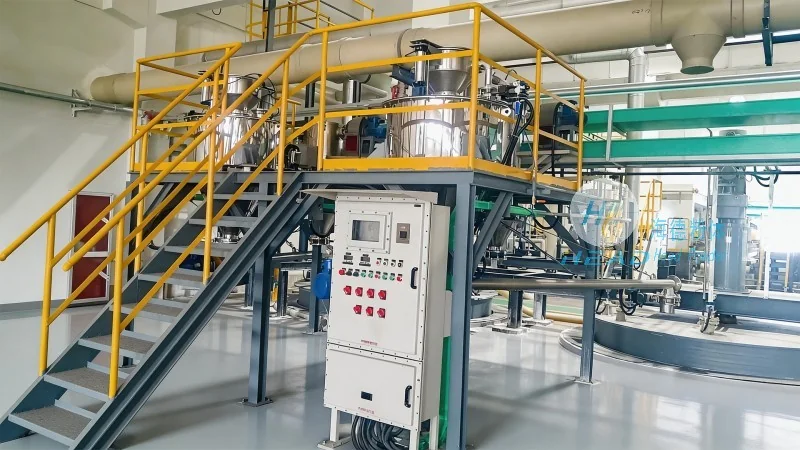
Fly ash is widely used in the construction industry as a component in concrete, mortar, and other building materials. Pneumatic conveying systems are employed to transport fly ash from storage facilities to construction sites or to batching plants. This method ensures that the fly ash is delivered in a dry and consistent manner, improving the workability and durability of the construction materials.
4. Industrial Waste Management
In some industrial settings, fly ash may be considered a waste material that needs to be disposed of or recycled. Pneumatic conveying systems can be used to transport fly ash to waste treatment facilities or to recycling plants. This helps in reducing the environmental impact of fly ash disposal and promotes sustainable material management practices.
Company Introduction: Shandong HeadPowder Engineering Co., Ltd.
Shandong HeadPowder Engineering Co., Ltd., operating under the brand name HeadPowder, is a leading provider of advanced pneumatic conveying solutions for fly ash and other industrial materials. With a strong commitment to innovation and quality, HeadPowder specializes in designing, manufacturing, and installing customized pneumatic conveying systems tailored to the specific needs of its clients. The company's headquarters is located in Shandong, China, where it leverages its extensive industry experience and technical expertise to deliver reliable and efficient solutions for material handling challenges.
HeadPowder's team of engineers and technicians work closely with clients to understand their operational requirements and develop optimal pneumatic conveying systems. The company uses state-of-the-art technology and high-quality components to ensure that its systems meet the highest standards of performance, durability, and safety. By focusing on customer satisfaction and continuous improvement, HeadPowder has established itself as a trusted partner in the industrial material handling sector.
Conclusion
Fly ash pneumatic conveying systems offer significant advantages in terms of efficiency, safety, and environmental compliance. The choice of system type—whether aspiration or pressure—depends on the specific application requirements, including conveying distance, material volume, and operational conditions. By understanding the characteristics and application ranges of these systems, industrial facilities can select the most appropriate solution to enhance their material handling processes. With the expertise and experience of companies like Shandong HeadPowder Engineering Co., Ltd., organizations can implement reliable and effective pneumatic conveying systems that meet their production and environmental goals.




