

Principle and Working Scene Characteristics of Pneumatic Conveying Equipment for Foam Plastic Materi
Pneumatic conveying equipment is a critical technology in material handling, particularly for handling lightweight and low-density materials like foam plastics. The core principle of this equipment involves using compressed air or other gases to transport bulk materials through a pipeline system. This method offers advantages such as dust-free operation, flexibility in layout, and the ability to handle materials in various forms, including powders, granules, and even small pieces.
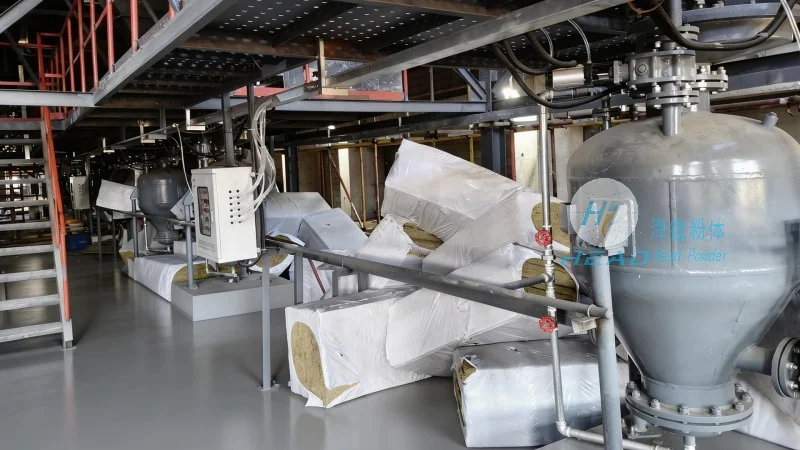
For foam plastic materials, the choice of pneumatic conveying equipment is often determined by the material's properties, such as its low density, low flowability, and potential for static charge. The equipment must be designed to address these challenges effectively. Common types include pressure systems (where air is introduced at the discharge point) and vacuum systems (where air is drawn from the intake point). Each type has specific applications based on the material's characteristics and the required conveying distance.
The working scene characteristics of pneumatic conveying equipment for foam plastics are influenced by several factors. Firstly, the material's low density means that higher air velocities are often required to maintain flow, which can impact energy consumption and system design. Secondly, foam plastics can be prone to static electricity, which may affect material separation and system efficiency. Proper grounding and anti-static measures are essential to mitigate these issues. Additionally, the equipment must be capable of handling variations in material consistency, such as changes in moisture content or particle size, to ensure consistent performance.
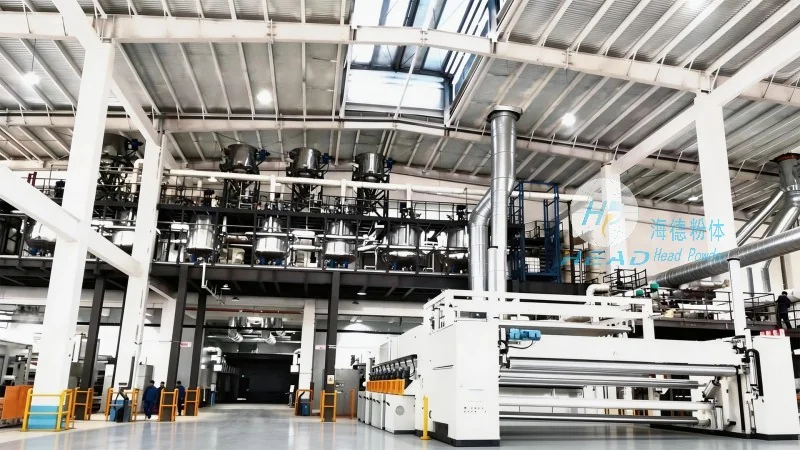
In industrial settings, the application of pneumatic conveying equipment for foam plastics is widespread across various sectors. For example, in manufacturing plants, it is used to transport foam plastic granules from storage silos to processing lines, ensuring a continuous and efficient supply chain. In recycling facilities, the equipment helps in moving shredded foam plastic materials to sorting and compaction units, facilitating the recycling process. The adaptability of the system allows it to integrate seamlessly with existing production lines, reducing downtime and improving overall operational efficiency.
The design of pneumatic conveying systems for foam plastics typically involves components such as air blowers, filters, cyclones, and conveying lines. The air blower provides the necessary pressure or vacuum, while filters ensure that the air remains clean and free from contaminants that could affect the material or the equipment. Cyclones are used to separate the conveyed material from the air stream, allowing for the material to be collected at the destination point. The conveying lines are often made of materials resistant to the foam plastic's properties, such as plastic or metal, to prevent material degradation or system blockages.
Operational considerations for pneumatic conveying equipment in foam plastic applications include maintaining consistent air pressure and flow rates, as fluctuations can lead to material bridging or blockages in the pipeline. Regular maintenance is crucial to ensure the system's longevity and performance. This includes checking for wear and tear on components like seals and bearings, as well as cleaning the system to prevent the accumulation of material residues that could affect air flow and material quality.
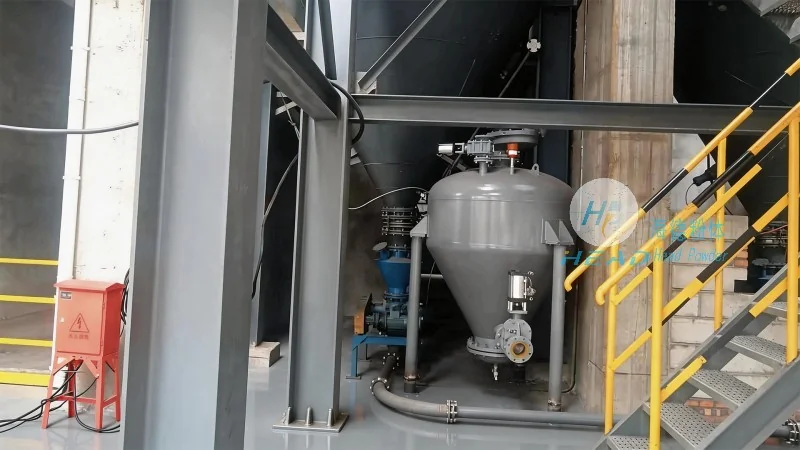
The benefits of using pneumatic conveying equipment for foam plastics extend beyond operational efficiency. It also contributes to environmental sustainability by reducing the need for manual handling and minimizing material loss during transport. The dust-free nature of the system helps in maintaining a cleaner working environment, which is particularly important in industries where foam plastics are processed in large quantities. Additionally, the system's ability to handle materials in a closed loop reduces the risk of contamination and improves product quality.
In conclusion, pneumatic conveying equipment for foam plastics is a sophisticated solution that addresses the unique challenges of handling lightweight, low-density materials. By understanding the principle of operation and the specific working scene characteristics, industries can optimize their material handling processes, leading to improved efficiency, reduced costs, and enhanced product quality. The integration of such equipment with modern manufacturing and recycling practices highlights its importance in contemporary industrial applications.