

Operation Process and Working Principle of Polychlorotrifluoroethylene Powder Conveying System
Polychlorotrifluoroethylene (PCTFE) is a high-performance fluoropolymer known for its excellent chemical resistance, thermal stability, and low friction properties. When it comes to handling PCTFE powders in industrial applications, specialized conveying systems are essential to ensure efficient and safe material transport. This article provides a detailed overview of the operation process and working principle of a PCTFE powder conveying system, highlighting key components, operational steps, and the underlying mechanisms that enable reliable material handling.
Overview of the PCTFE Powder Conveying System
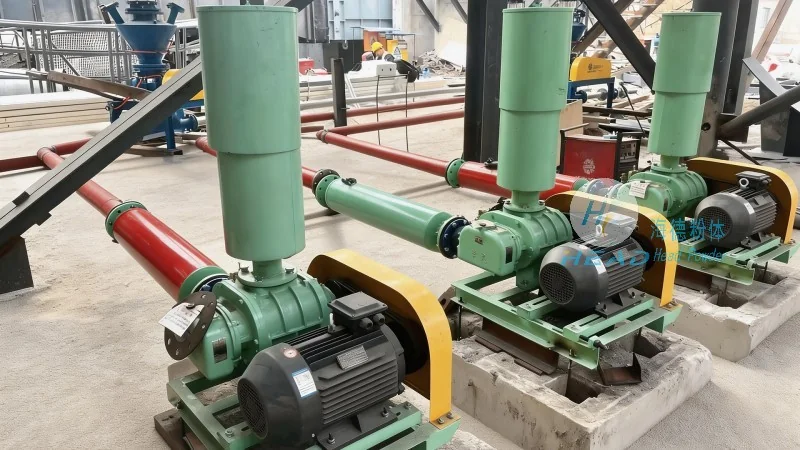
The PCTFE powder conveying system designed by Shandong HeadPowder Engineering Co., Ltd. is engineered to handle the unique characteristics of PCTFE powders, which are often fine, abrasive, and sensitive to moisture. The system integrates several critical components, including a hopper for material storage, a feeder to control the flow rate, a conveying mechanism (such as a screw or pneumatic system), and a control panel for monitoring and adjustment. Each component plays a vital role in ensuring the smooth and efficient transport of PCTFE powders from the storage area to the processing equipment.
Key Components and Their Functions
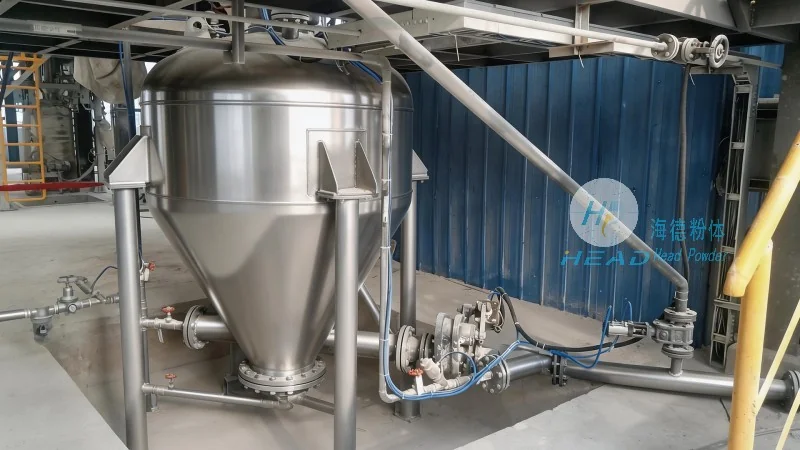
The hopper is the primary storage unit for PCTFE powders, typically made from corrosion-resistant materials like stainless steel or PTFE to prevent material degradation and contamination. It is designed with a conical or rectangular shape to facilitate uniform material flow and minimize the risk of clogging. The feeder, often a rotary valve or a vibratory feeder, regulates the flow rate of the powder from the hopper to the conveying mechanism. This component ensures consistent and controlled delivery of the material, preventing overloading or underloading of the system.
The conveying mechanism is the core of the system, responsible for transporting the PCTFE powder through the pipeline. In many applications, a screw conveyor or a pneumatic system is used. The screw conveyor operates by rotating a helical screw inside a tube, pushing the powder forward through the system. This method is particularly effective for handling fine powders and is less prone to blockages compared to other conveying methods. The pneumatic system, on the other hand, uses compressed air to transport the powder in a carrier gas, which is suitable for applications requiring airtight and dust-free environments.
Operation Process of the Conveying System
The operation of the PCTFE powder conveying system follows a systematic sequence of steps to ensure efficient material transport. Initially, the PCTFE powder is loaded into the hopper from a bulk container or a storage silo. The hopper is then sealed to prevent moisture ingress and dust contamination. Next, the feeder is activated to control the flow rate of the powder into the conveying mechanism. The control panel monitors the system's performance, including flow rate, pressure, and temperature, to ensure optimal operation.
During the conveying process, the material is transported through the pipeline to the processing equipment, such as a mixer or a extruder. The system maintains a consistent flow rate by adjusting the feeder speed or the air pressure in the pneumatic system. Any deviations in the flow rate are detected by sensors and corrected automatically to maintain stability. The conveying process continues until the required amount of PCTFE powder has been delivered to the processing equipment.
Working Principle of the Conveying System
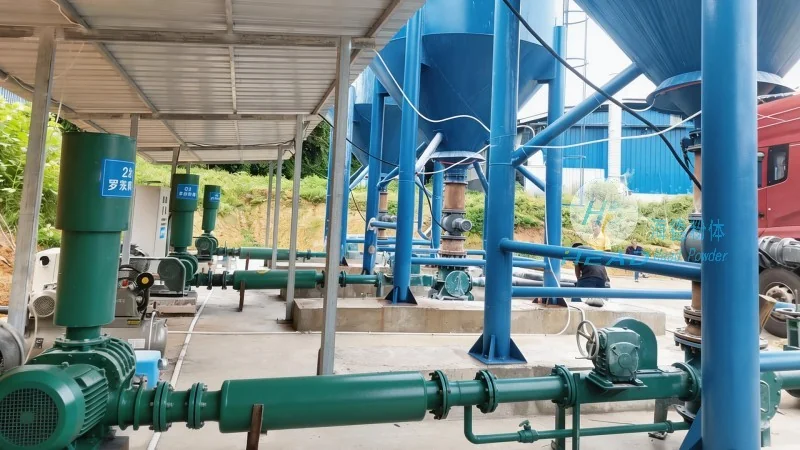
The working principle of the PCTFE powder conveying system is based on the principles of fluid dynamics and mechanical force. The system utilizes the force of gravity and mechanical pressure to move the powder through the pipeline. In the screw conveyor system, the rotating screw creates a pressure gradient that pushes the powder forward. The friction between the screw and the powder, as well as the internal friction within the powder itself, helps maintain the flow. In the pneumatic system, the compressed air creates a pressure differential that propels the powder through the pipeline. The carrier gas also helps to prevent agglomeration and maintain the uniformity of the powder.
The control panel plays a crucial role in regulating the system's operation by monitoring key parameters and adjusting the feeder speed or air pressure as needed. Sensors are used to detect the flow rate, pressure, and temperature of the system, providing real-time data to the control system. This feedback mechanism ensures that the system operates within safe and efficient parameters, minimizing the risk of material loss or equipment damage.
Advantages of the PCTFE Powder Conveying System
The PCTFE powder conveying system developed by Shandong HeadPowder Engineering Co., Ltd. offers several advantages over traditional conveying methods. Firstly, it provides a dust-free and airtight environment, which is essential for handling PCTFE powders that are sensitive to moisture and contaminants. The system also ensures consistent and controlled flow rates, which is critical for maintaining the quality of the final product. Additionally, the system is designed to minimize material degradation and clogging, which improves the overall efficiency and reliability of the process.
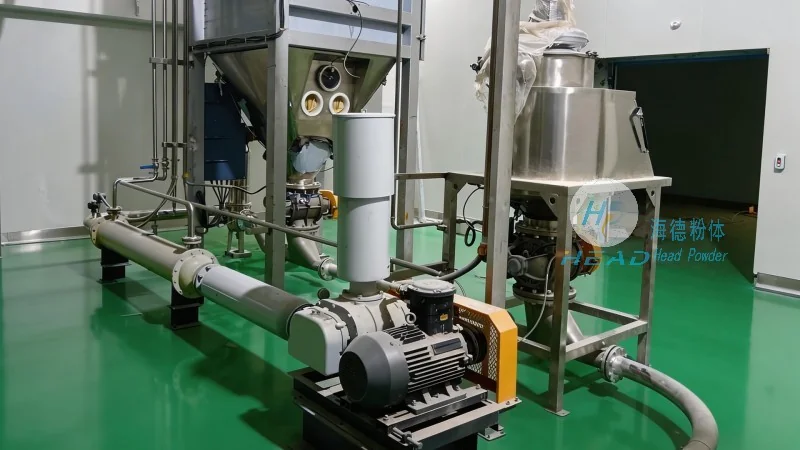
Another advantage of the system is its flexibility, allowing it to be adapted to various industrial applications. The system can be customized to handle different powder sizes and flow rates, making it suitable for a wide range of PCTFE processing operations. The use of corrosion-resistant materials in the construction of the system ensures long-term durability and low maintenance costs.
Conclusion
In conclusion, the PCTFE powder conveying system is a critical component in the processing of polychlorotrifluoroethylene powders. The system's operation process and working principle are designed to ensure efficient, safe, and reliable material transport. By integrating advanced components and control systems, the system minimizes the risk of material loss, contamination, and equipment damage. Shandong HeadPowder Engineering Co., Ltd. specializes in the design and manufacturing of such systems, providing industrial clients with high-quality solutions for their PCTFE powder handling needs.