

Operation Process and Working Principle of Glass Fiber Cellulose Powder Conveying System
For the efficient handling and transportation of glass fiber cellulose powder, the conveying system designed by Shandong HeadPowder Engineering Co., Ltd. plays a crucial role. This system is engineered to ensure stable, reliable, and safe powder transport, which is essential for various industrial applications. The operation process of this system involves several key stages, each meticulously designed to optimize performance and maintain product integrity.
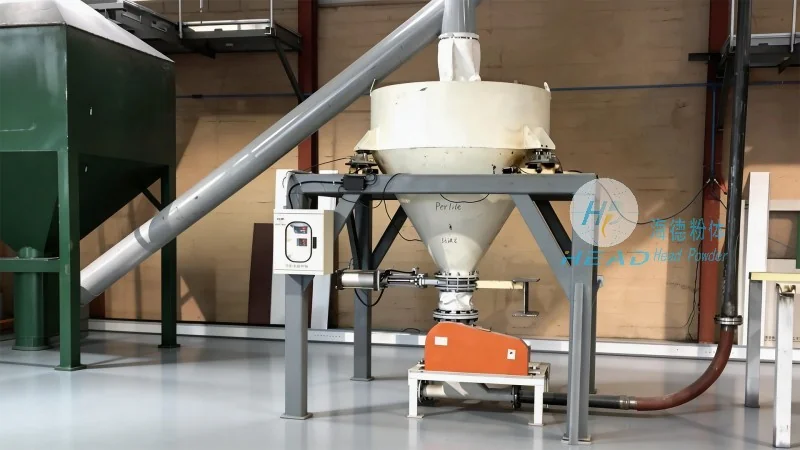
Key Components and Their Functions in the Conveying System
The glass fiber cellulose powder conveying system consists of multiple integrated components, each serving a specific function to facilitate smooth powder movement. The primary components include a hopper for material storage, a feeder to control the flow rate, a conveyor (such as a screw or pneumatic conveyor) for transporting the powder, and a control system to monitor and adjust the operation. The hopper is typically designed with a large capacity to accommodate bulk quantities of glass fiber cellulose powder, ensuring continuous operation without frequent refilling. The feeder, often a rotary valve or a variable-speed screw feeder, regulates the discharge rate, preventing overloading or underflow that could affect the conveying efficiency. The conveyor system, which may use positive displacement or negative pressure (airlock) methods, moves the powder from the storage area to the processing or packaging units. The control system integrates sensors and actuators to monitor parameters like pressure, flow rate, and temperature, allowing real-time adjustments to maintain optimal performance.
Step-by-Step Operation Process of the Conveying System
The operation of the glass fiber cellulose powder conveying system begins with the loading of glass fiber cellulose powder into the hopper. The powder is then discharged from the hopper into the feeder, where the flow rate is precisely controlled. The feeder delivers the powder to the conveyor, which transports it to the next stage of the process. In a positive displacement system, a rotating screw or auger pushes the powder forward, while in a pneumatic system, compressed air creates a negative pressure that draws the powder through the pipeline. The conveyor system ensures that the powder moves continuously and uniformly, minimizing the risk of clogging or blockages. The control system continuously monitors the operation, adjusting the feeder speed or conveyor pressure as needed to maintain a stable flow. Once the powder reaches the destination, it is either transferred to a processing unit or stored in a container. The entire process is designed to be automated, reducing the need for manual intervention and enhancing operational efficiency.
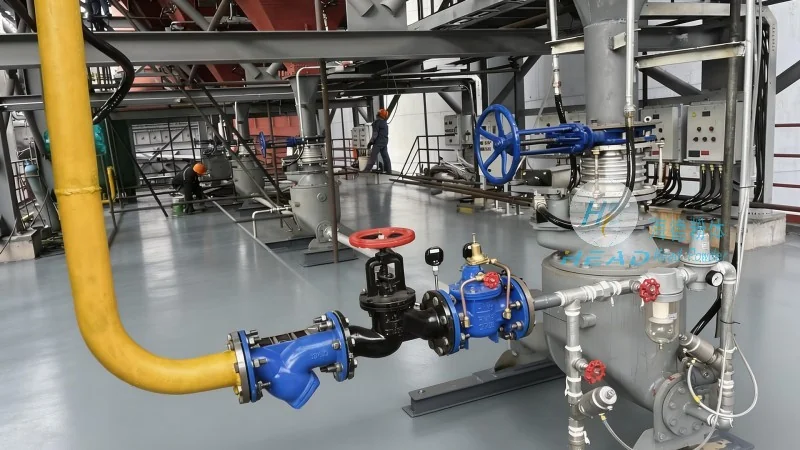
Working Principle of the Conveying System: Mechanisms and Technologies
The working principle of the glass fiber cellulose powder conveying system is based on the principles of fluidization and pneumatic transport. For dry powders like glass fiber cellulose, the system may employ a combination of mechanical and pneumatic methods to achieve efficient transport. The mechanical part involves the feeder and conveyor, which physically move the powder. The pneumatic part uses compressed air to create a flow that carries the powder particles. The key to the system's effectiveness is the balance between the powder's properties (such as particle size, moisture content, and bulk density) and the conveying parameters (such as air velocity, pressure, and conveyor speed). The system is designed to handle the specific characteristics of glass fiber cellulose powder, which can be abrasive and prone to static electricity. To mitigate these issues, the system incorporates features like anti-static coatings on the conveyor components and proper grounding to prevent powder accumulation and ensure safe operation. The control system also monitors for any signs of clogging or material buildup, triggering alarms or automatic shutdowns to prevent equipment damage.
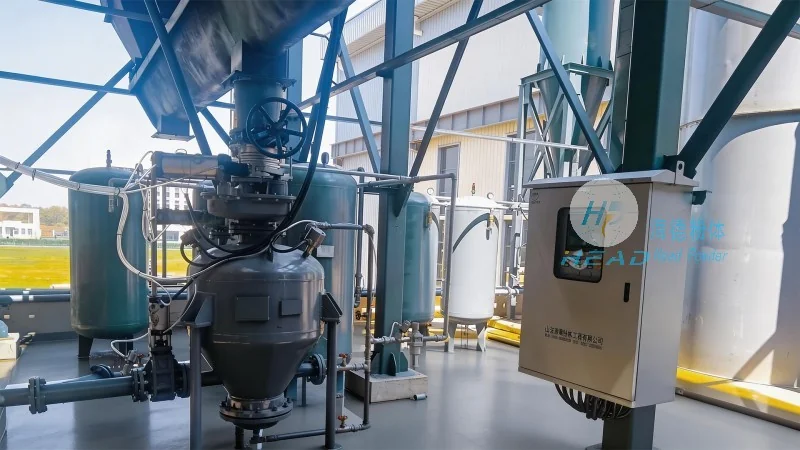
Benefits and Applications of the Glass Fiber Cellulose Powder Conveying System
The glass fiber cellulose powder conveying system developed by Shandong HeadPowder Engineering Co., Ltd. offers several advantages for industrial applications. Its design ensures high efficiency in transporting glass fiber cellulose powder, reducing downtime and increasing production throughput. The system is also highly reliable, with built-in safety features that minimize the risk of accidents or product contamination. Additionally, the system is scalable, allowing it to be customized for different production volumes and application requirements. The glass fiber cellulose powder is widely used in various industries, including construction (as a reinforcing agent in concrete and plaster), automotive (as a filler in composites), and packaging (as a filler in paper and cardboard). The conveying system is essential for these industries to handle the bulk quantities of glass fiber cellulose powder required for their production processes. By ensuring efficient and safe transport, the system contributes to improved productivity and cost savings for manufacturers.
Conclusion: The Importance of an Efficient Conveying System for Glass Fiber Cellulose Powder
In conclusion, the operation process and working principle of the glass fiber cellulose powder conveying system are critical to the efficient handling of this material. The system, designed by Shandong HeadPowder Engineering Co., Ltd., integrates advanced components and control technologies to ensure stable, reliable, and safe powder transport. The step-by-step operation process, from loading to delivery, is optimized to minimize downtime and maximize productivity. The working principle, based on fluidization and pneumatic transport, is tailored to the specific properties of glass fiber cellulose powder, ensuring effective handling. The benefits of this system, including high efficiency, reliability, and scalability, make it an essential component for industries that rely on glass fiber cellulose powder. As a leading provider of engineering solutions, Shandong HeadPowder Engineering Co., Ltd. continues to innovate and improve its conveying systems to meet the evolving needs of the industrial sector.