

Operation Process and Working Principle of Dry Mortar Powder Conveying Equipment
For construction projects, the efficient and reliable transport of dry mortar powders is crucial for maintaining quality and productivity. The dry mortar powder conveying equipment developed by Shandong HeadPowder Engineering Co., Ltd. in China plays a vital role in this process. This article will explore the operation process and working principle of such equipment, providing a comprehensive understanding of its functionality and benefits.
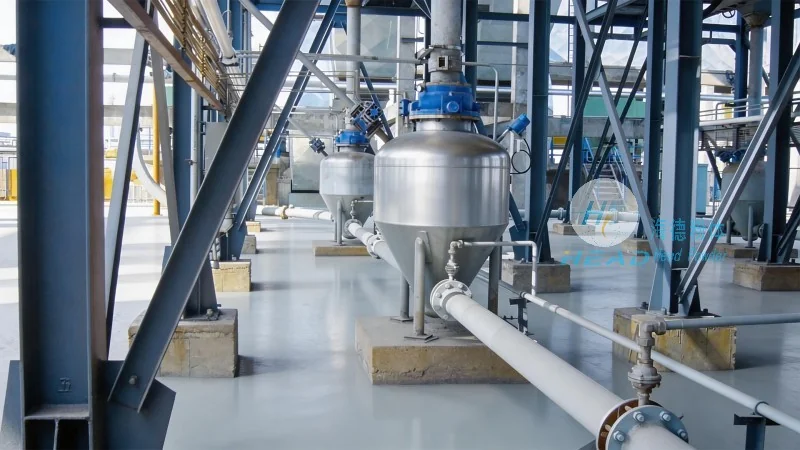
Company Background and Equipment Overview
Shandong HeadPowder Engineering Co., Ltd., headquartered in Shandong, China, specializes in the design, manufacturing, and supply of advanced powder handling systems. The company's dry mortar powder conveying equipment is engineered to meet the demanding requirements of modern construction and industrial applications. These systems are built with high-quality materials and advanced technology to ensure durability, efficiency, and safety in powder transport operations.
Key Components of the Conveying System
The dry mortar powder conveying equipment typically consists of several key components that work in harmony to achieve effective powder transport. These components include a hopper for material storage, a feeder to control the flow rate, a conveying mechanism (such as a screw conveyor or pneumatic system), and a discharge outlet for delivering the material to the target location. Each component is carefully designed to ensure smooth operation and minimal material loss during the conveying process.
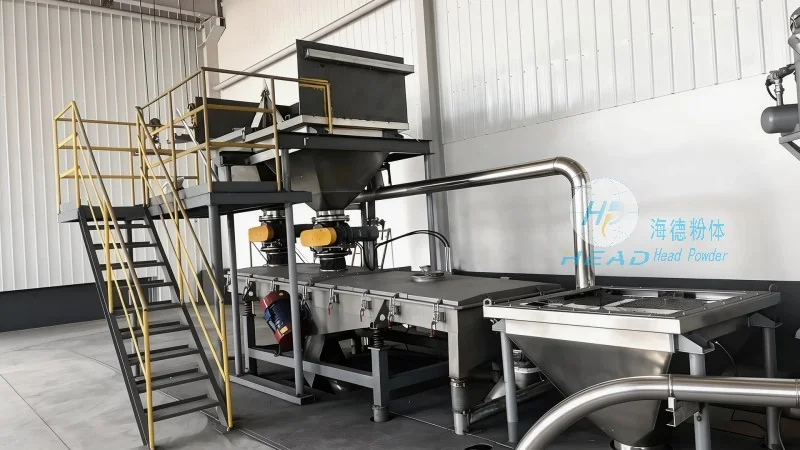
Operation Process of the Equipment
The operation process of the dry mortar powder conveying equipment begins with the loading of dry mortar powders into the hopper. The feeder then regulates the flow of material from the hopper into the conveying mechanism. Depending on the system design, the conveying mechanism may use mechanical force (like a screw or auger) or pneumatic pressure to move the powders through the pipeline to the discharge point. The system is equipped with sensors and control panels to monitor the flow rate, pressure, and other critical parameters, allowing for real-time adjustments to maintain optimal performance. Once the powders reach the discharge outlet, they are ready for use in construction applications, such as mortar mixing or wall finishing.
Working Principle of the Conveying Mechanism
The working principle of the dry mortar powder conveying equipment is based on the principles of fluidization and mechanical transport. In a mechanical conveying system, the screw or auger rotates to push the powders forward, creating a continuous flow. The design of the screw flights and the pitch of the screw determines the conveying capacity and the pressure required to move the material. In pneumatic conveying systems, compressed air is used to create a flow of air and powder mixture through the pipeline, where the air velocity is sufficient to lift and transport the powders. The system may also incorporate features like cyclone separators or filters to separate the powder from the air before discharge, ensuring that the material remains dry and free from contamination.
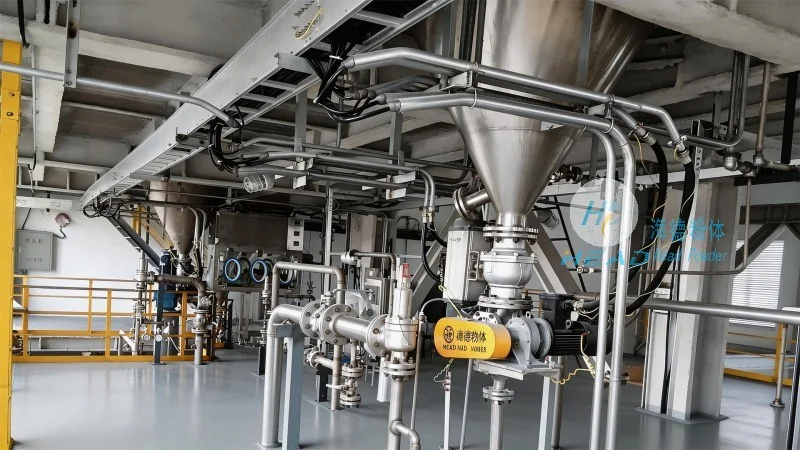
Advantages and Applications
The dry mortar powder conveying equipment from Shandong HeadPowder Engineering Co., Ltd. offers several advantages, including high efficiency, low maintenance costs, and the ability to handle a wide range of dry mortar powders. These systems are widely used in construction sites, mortar mixing plants, and industrial facilities where the consistent and reliable transport of powders is essential. The equipment is designed to handle various types of dry materials, including cement, sand, and additives, making it versatile for different construction projects. Additionally, the system's compact design and easy installation make it suitable for both new construction and retrofit applications.
Conclusion
In conclusion, the dry mortar powder conveying equipment developed by Shandong HeadPowder Engineering Co., Ltd. is a critical component in modern construction and industrial operations. By understanding the operation process and working principle of this equipment, users can appreciate its efficiency and reliability in transporting dry mortar powders. The company's commitment to quality and innovation ensures that their equipment meets the highest standards, providing long-term benefits for construction projects and industrial applications.