

Operating Process and Working Principle of Phosphorus Pentachloride Powder Conveying Equipment
Phosphorus pentachloride (PCl₅) is a highly reactive and corrosive chemical compound widely utilized in the chemical industry for applications such as pesticide production, pharmaceutical synthesis, and organic compound manufacturing. Due to its hazardous nature, the safe and efficient handling of PCl₅ powder is of paramount importance. This article provides a comprehensive overview of the operating process and working principle of specialized powder conveying equipment designed for PCl₅, highlighting key components, operational steps, and technical considerations to ensure reliable material transport.
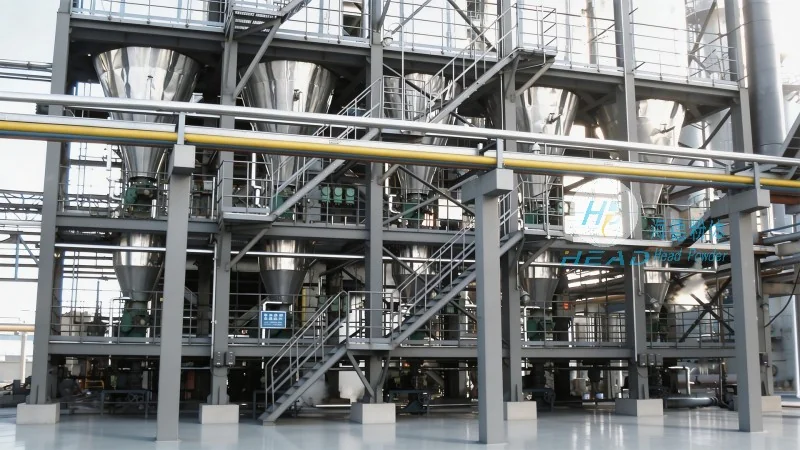
Key Components of Phosphorus Pentachloride Powder Conveying Systems
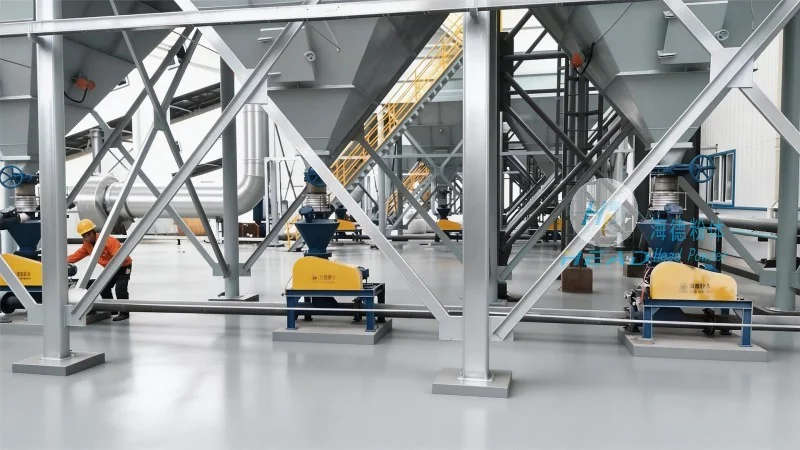
The PCl₅ powder conveying equipment typically comprises several critical components that function in unison to facilitate efficient and safe material transport. These components include a hopper for material storage, a rotary valve or feeder to regulate flow rate, a conveyor system (often pneumatic or mechanical), and a dust collection system to manage airborne particles. The hopper is constructed from corrosion-resistant materials like stainless steel or specialized alloys to withstand PCl₅'s chemical properties and prevent degradation over time. The rotary valve or feeder controls the powder release rate, ensuring consistent and controlled flow to avoid overloading or underflow. The conveyor system, commonly a pneumatic design using compressed air, transports the powder from the hopper to the processing unit, while the dust collection system captures airborne particles to maintain a safe working environment.
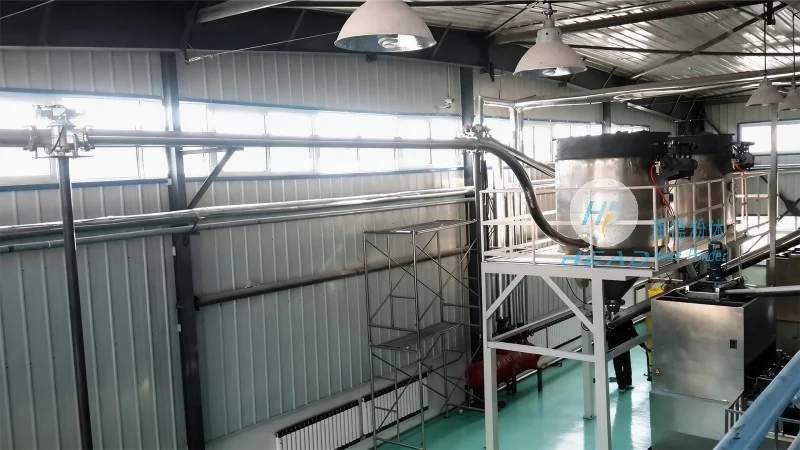
Operating Process of Phosphorus Pentachloride Powder Conveying Equipment
The operation of PCl₅ powder conveying equipment follows a systematic process to ensure safe and efficient material handling. The process initiates with PCl₅ powder loading into the hopper, typically via a loading hopper or direct feed from a storage silo. Once the hopper is filled, the rotary valve or feeder activates to control the flow rate. The feeder then releases the powder into the pneumatic conveyor, where compressed air propels the material through the system. The conveyor transports the powder to the processing unit (e.g., reactor or mixing tank) for subsequent production stages. Throughout the process, the dust collection system continuously captures airborne particles, preventing contamination and maintaining a safe environment for operators. The system is equipped with safety features like pressure relief valves and alarms to detect abnormalities and ensure immediate action to prevent accidents.
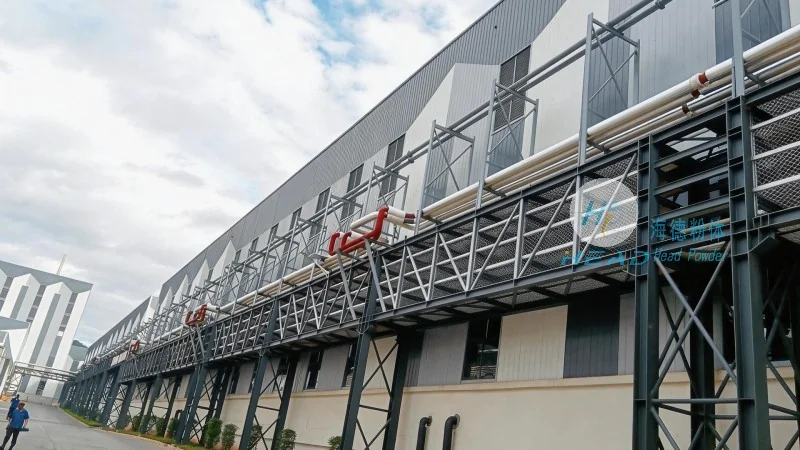
Working Principle of Phosphorus Pentachloride Powder Conveying Equipment
The working principle of PCl₅ powder conveying equipment is based on pneumatic conveying, where compressed air transports powder particles through a pipeline. The system operates by creating a pressure differential between the hopper and processing unit, with the hopper maintaining slightly higher pressure. This pressure difference drives powder particles into the conveyor, where they are suspended in the air stream and transported to the destination. The rotary valve or feeder regulates flow rate by controlling powder entry into the conveyor, ensuring consistent and controlled movement. The dust collection system uses filters to capture powder particles from the air stream, preventing environmental release. The entire system is designed to minimize dust explosion risks and other hazards, making it a reliable solution for industrial applications.
Technical Considerations and Safety Measures
When operating PCl₅ powder conveying equipment, several technical considerations and safety measures are essential to ensure operator safety and equipment integrity. First, the equipment must be constructed from corrosion-resistant materials to withstand PCl₅'s chemical properties and prevent degradation. Second, the system must include proper ventilation and dust collection to avoid airborne particle accumulation, which can cause dust explosions. Third, regular maintenance and inspections are required to ensure all components function correctly. Maintenance tasks involve checking the hopper, feeder, conveyor, and dust collection system performance. Additionally, operators must receive training on safe equipment operation and PCl₅ handling to minimize accident risks. The system should also feature safety features like pressure relief valves and alarms to detect abnormalities and trigger immediate responses.
About Shandong HeadPowder Engineering Co., Ltd.
Shandong HeadPowder Engineering Co., Ltd., commonly known as HeadPowder, is a leading manufacturer of specialized powder handling equipment, including PCl₅ powder conveying systems. With extensive experience in the chemical industry, HeadPowder has developed advanced solutions for hazardous powder handling. The company is committed to providing high-quality equipment that meets stringent safety and performance standards. HeadPowder's PCl₅ powder conveying equipment is tailored to industrial application needs, ensuring reliable and safe material transport. The company offers technical support and maintenance services to ensure long-term equipment performance. HeadPowder is located in Shandong, China, and serves global clients with innovative and dependable solutions.