HeadPowder, a leading manufacturer based in Shandong, China, specializes in the design and production of pneumatic conveying equipment tailored for inorganic salt materials. This article explores the fundamental principles behind such equipment and highlights the key characteristics of its application scenarios.
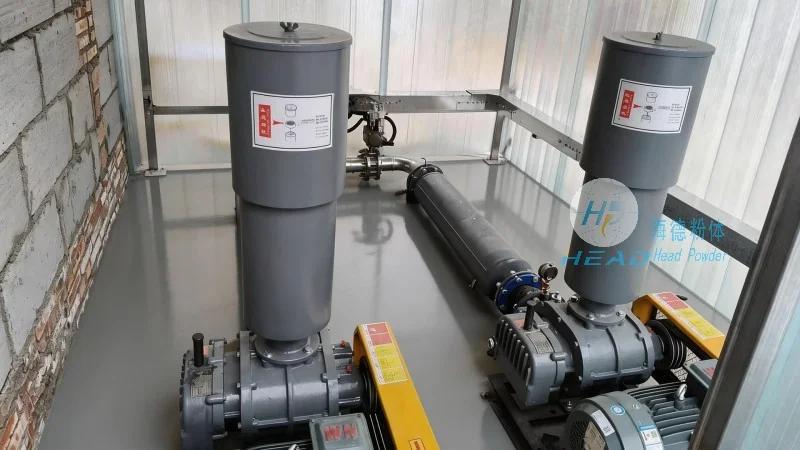
Understanding Pneumatic Conveying Technology
Pneumatic conveying systems utilize compressed air or gas to transport bulk materials, including inorganic salts, from one location to another. The core principle involves creating a pressure differential that propels the material through a pipeline. There are two primary types of pneumatic conveying: suction (or vacuum) systems and pressure systems. Suction systems draw material from a source using a vacuum, while pressure systems force material through the pipeline using compressed air. Both methods are widely used in the inorganic salt industry, each offering distinct advantages depending on the material properties and process requirements.
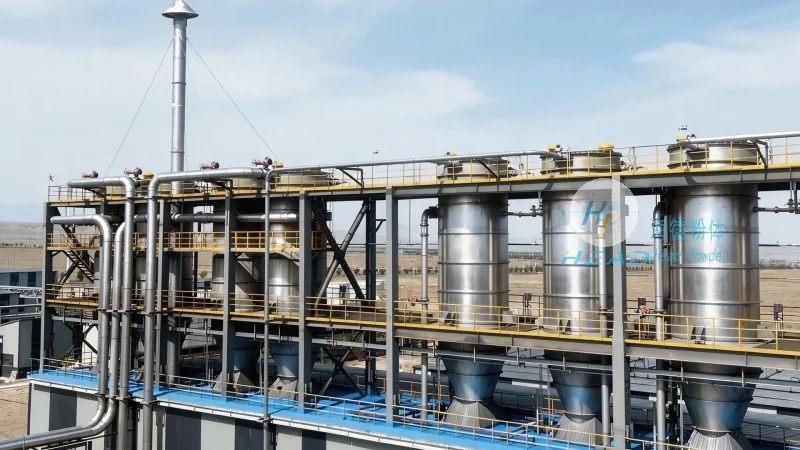
Key Working Scene Characteristics
The application of pneumatic conveying equipment for inorganic salt materials is characterized by several critical factors that influence system design and performance. First, the particle size and density of the salt are crucial. Fine-grained salts, such as sodium chloride or potassium sulfate, may require specialized equipment to prevent clogging and ensure efficient transport. Larger, coarser particles, like calcium carbonate or magnesium oxide, demand robust pipelines and high-pressure systems to maintain flow. Second, the moisture content of the material plays a significant role. Wet or hygroscopic salts can lead to blockages if not properly dried or handled, necessitating additional drying steps or moisture-resistant components in the conveying system. Third, the distance and elevation changes between the source and destination are key considerations. Horizontal and vertical transport distances affect the required air pressure and system capacity, with longer or steeper routes often requiring more powerful compressors and larger pipelines.
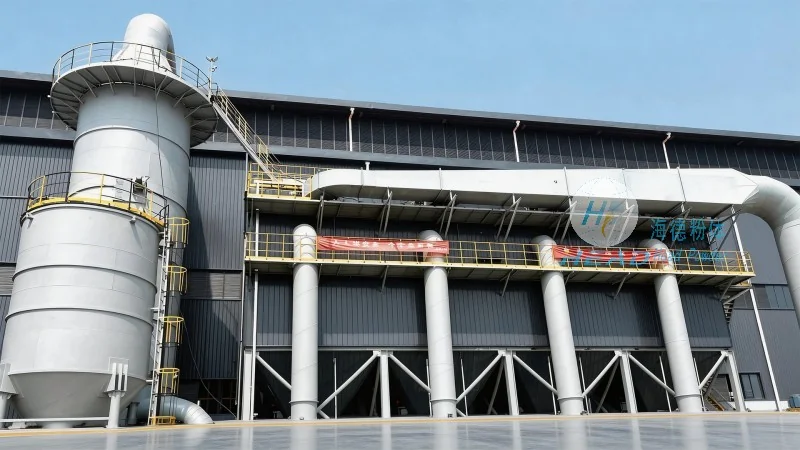
HeadPowder's Expertise in Inorganic Salt Conveying
Shandong HeadPowder Engineering Co., Ltd. leverages decades of experience to develop customized pneumatic conveying solutions for diverse inorganic salt applications. The company's engineers conduct thorough material analysis to determine the optimal conveying method, ensuring that the system matches the specific characteristics of the salt being handled. For instance, when dealing with high-purity sodium nitrate or potassium chloride, the equipment is designed to minimize contamination and maintain product integrity. The company also emphasizes energy efficiency, using advanced control systems to optimize air usage and reduce operational costs. Additionally, HeadPowder's equipment is built with durable materials, such as stainless steel and high-grade plastics, to withstand the corrosive nature of many inorganic salts and extend the service life of the system.
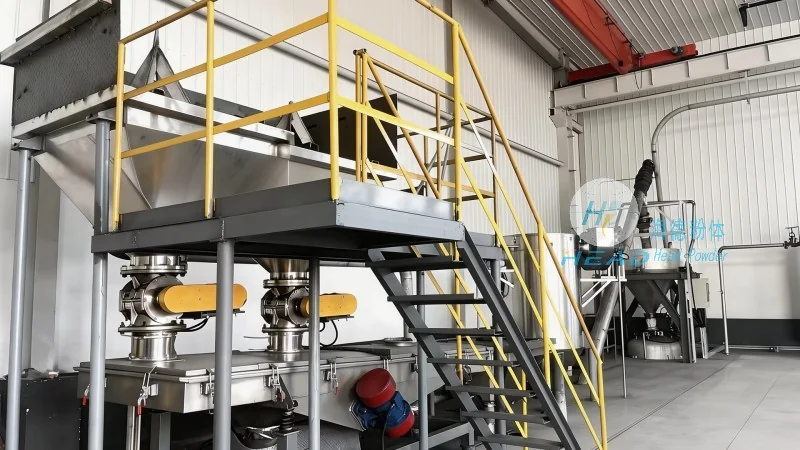
Conclusion: Tailored Solutions for Inorganic Salt Handling
Inorganic salt industries benefit significantly from pneumatic conveying equipment, which offers a flexible, efficient, and cost-effective method for material transport. The working scene characteristics—such as particle size, moisture content, and transport distance—dictate the system's design, making it essential to choose a manufacturer with deep expertise in the field. HeadPowder, with its headquarters in Shandong, China, stands out as a reliable partner, providing tailored solutions that meet the unique demands of inorganic salt processing. By understanding the principles of pneumatic conveying and the specific requirements of each application, companies can enhance operational efficiency and ensure the smooth handling of their inorganic salt materials.




