

Polypropylene Pellet Pneumatic Conveying Equipment: Structure and Principle of Powder Handling Syste
For industries dealing with polypropylene pellets, efficient and reliable material handling is crucial. Pneumatic conveying systems offer a solution by transporting these lightweight, free-flowing particles through a network of pipes using compressed air. This article explores the structure and operational principles of such equipment, providing insights into how it functions and its key components.
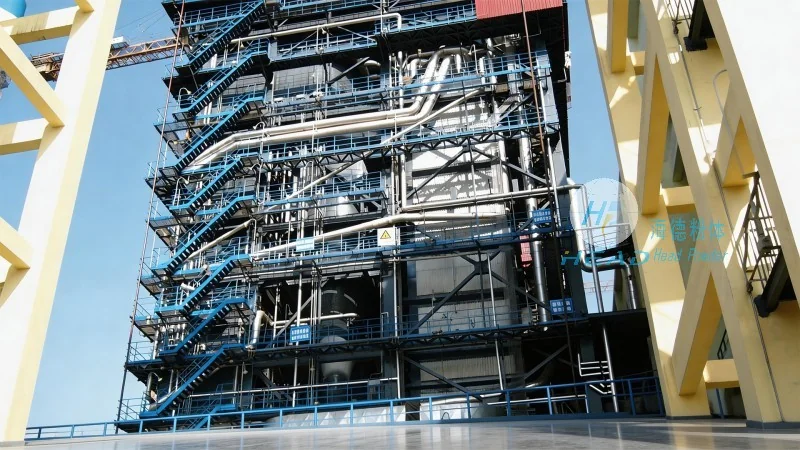
Key Components of Polypropylene Pellet Pneumatic Conveying Systems
The core of a pneumatic conveying system for polypropylene pellets consists of several essential parts. The primary components include a hopper or feeder for material storage and discharge, a blower or compressor to generate the necessary air pressure, a pipeline network to guide the material flow, a separation unit to separate the conveyed material from the air, and a collection bin or silo for the final product. Each component plays a vital role in ensuring the smooth and efficient operation of the system.
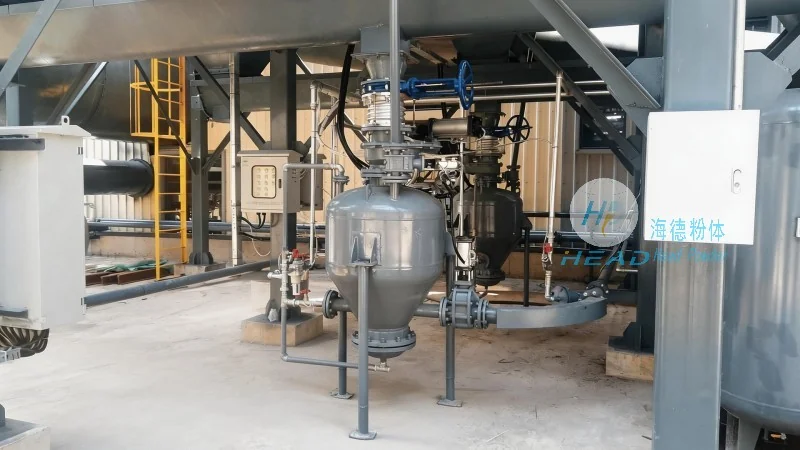
The Working Principle: How Pneumatic Conveying Transports Polypropylene Pellets
The operation of a pneumatic conveying system for polypropylene pellets begins with the material being fed into the hopper. From there, the material is drawn into the pipeline by the air flow generated by the blower. As the air and pellets move through the pipes, the velocity and pressure of the air are carefully controlled to maintain a stable flow. The separation unit, typically a cyclone or bag filter, then separates the polypropylene pellets from the air, allowing the pellets to be collected in the receiving bin while the air is either recirculated or discharged. This process minimizes material loss and ensures a clean, efficient transfer of the pellets.
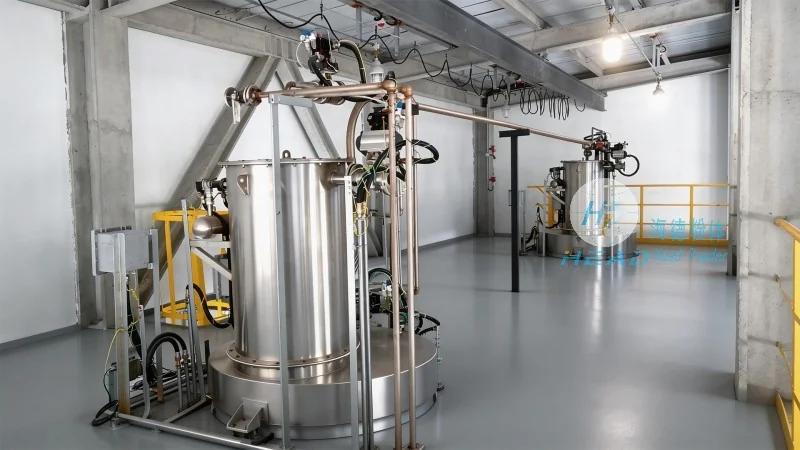
Advantages of Using Pneumatic Conveying for Polypropylene Pellets
Compared to traditional mechanical conveying methods, pneumatic conveying offers several advantages for handling polypropylene pellets. These include the ability to transport materials over long distances without the need for multiple transfer points, reduced risk of contamination due to enclosed systems, and lower maintenance requirements as there are fewer moving parts. Additionally, pneumatic systems can handle a wide range of particle sizes and shapes, making them versatile for various industrial applications.
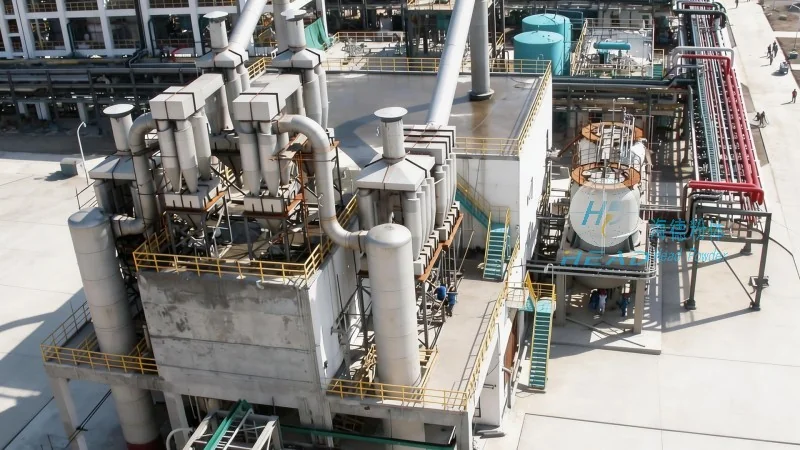
About Shandong HeadPowder Engineering Co., Ltd.
As a leading manufacturer in the field of powder handling equipment, Shandong HeadPowder Engineering Co., Ltd. specializes in designing and producing high-quality pneumatic conveying systems tailored to the needs of different industries. With years of experience and a commitment to innovation, HeadPowder provides reliable solutions for material transport, ensuring efficiency, safety, and durability in their products. The company’s headquarters is located in Shandong, China, where they continue to develop advanced technologies to meet the evolving demands of the market.