For industrial applications involving glass fiber powders, understanding the principles of powder handling and the specific operational characteristics of the processes is crucial. This article explores the fundamental mechanisms behind glass fiber powder transport, alongside the key working scenarios where such systems are commonly employed. The information presented is based on the expertise of Shandong HeadPowder Engineering Co., Ltd., a leading provider in the field, with operations based in Shandong, China.
Company Overview
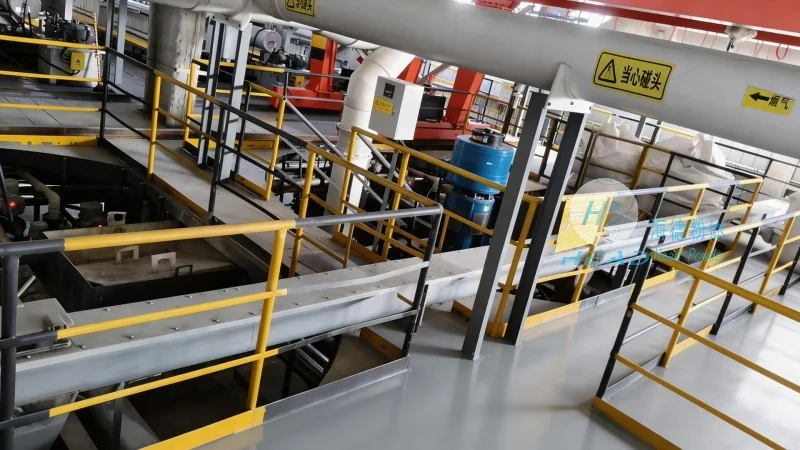
Shandong HeadPowder Engineering Co., Ltd. specializes in the design, manufacturing, and implementation of advanced powder handling systems. With a strong focus on material science and engineering, the company has developed solutions tailored to the unique challenges posed by glass fiber powders, which are known for their abrasive nature and tendency to create static electricity during handling. The company’s headquarters is located in Shandong, China, where it leverages local resources and expertise to serve a global clientele.
Principles of Glass Fiber Powder Transport
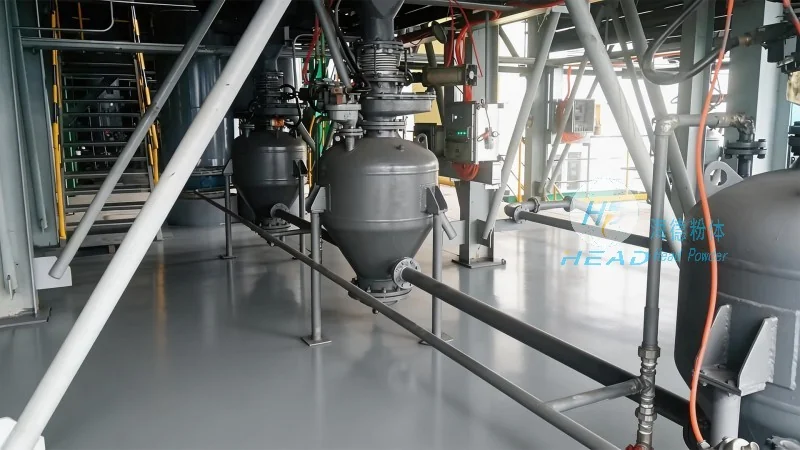
The core principle of glass fiber powder handling revolves around the efficient and safe movement of these fine, abrasive particles from one location to another. This typically involves a combination of mechanical and pneumatic systems designed to minimize particle degradation and prevent equipment wear. Key components of the transport system include feeders, conveyors, and control mechanisms that work in tandem to maintain consistent flow rates and prevent blockages. The use of specialized materials for equipment construction, such as corrosion-resistant alloys and non-stick coatings, is essential to withstand the abrasive properties of glass fibers. Additionally, the integration of static control measures, like grounding and ionization systems, is critical to prevent static buildup, which can lead to dust explosions or material loss.
Working Scenario Characteristics
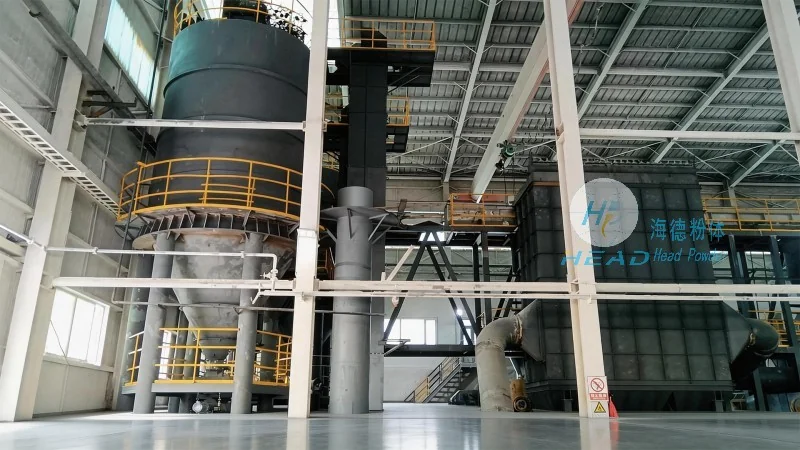
Glass fiber powder handling systems are employed in a variety of industrial settings, each with distinct operational characteristics that influence system design. One common scenario is in the manufacturing of composite materials, where glass fiber powders are used as reinforcement in resin systems. In this context, the system must be capable of precise dosing and uniform mixing to ensure consistent material properties. Another scenario involves the recycling of glass fiber waste, where the powder is collected, processed, and reused in new production cycles. Here, the system must handle contaminated or mixed materials while maintaining efficiency and cleanliness. Furthermore, in the production of fiberglass insulation or textiles, the handling of glass fiber powders is critical for quality control, as any variation in particle size or distribution can affect the final product's performance. Each of these scenarios demands tailored solutions that address specific challenges, such as dust control, material compatibility, and process integration.
System Integration and Operational Efficiency
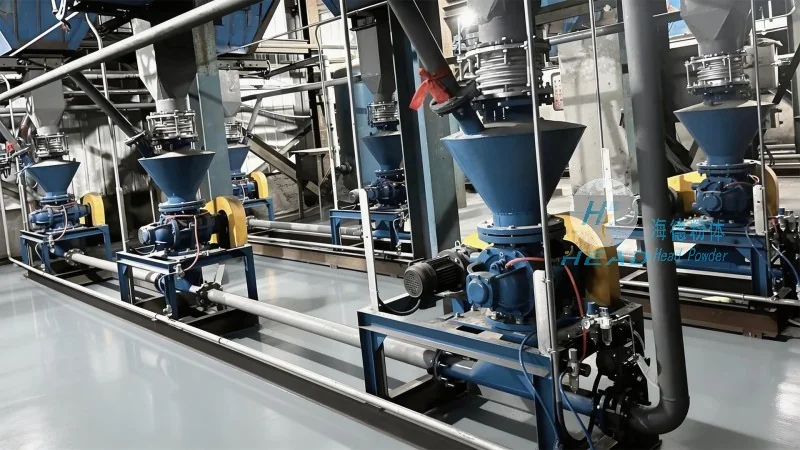
Effective glass fiber powder handling systems are characterized by seamless integration with existing production lines and robust operational efficiency. The design of the system takes into account factors like material flow rates, storage capacity, and maintenance requirements to ensure continuous operation with minimal downtime. Automated control systems, often incorporating sensors and feedback loops, allow for real-time monitoring of flow rates, pressure, and temperature, enabling quick adjustments to maintain optimal performance. The use of modular components also facilitates easy maintenance and upgrades, reducing the overall cost of ownership. In addition, the implementation of energy-efficient designs, such as variable speed drives and optimized airflow, contributes to lower operational costs and environmental sustainability. By prioritizing these aspects, companies can achieve reliable and cost-effective powder handling solutions that meet the demands of modern industrial applications.
Conclusion
In summary, the principles of glass fiber powder transport and the operational characteristics of the systems used are essential for successful industrial applications. Through the expertise of companies like Shandong HeadPowder Engineering Co., Ltd., advanced powder handling solutions are developed to address the unique challenges posed by glass fiber powders. By understanding the fundamental mechanisms and tailoring systems to specific working scenarios, industries can enhance productivity, ensure product quality, and maintain safety standards. As the demand for glass fiber composites and related products continues to grow, the importance of efficient powder handling will only increase, making it a critical component of modern manufacturing processes.




