For industries dealing with mineral particles, efficient and reliable material handling is crucial. The pneumatic conveying line for mineral particles, a key equipment in powder processing, offers a solution that combines technology and practical application. This article explores the fundamental principles of such systems and highlights the specific characteristics of their operational scenarios, providing insights into how these systems enhance productivity and operational efficiency.
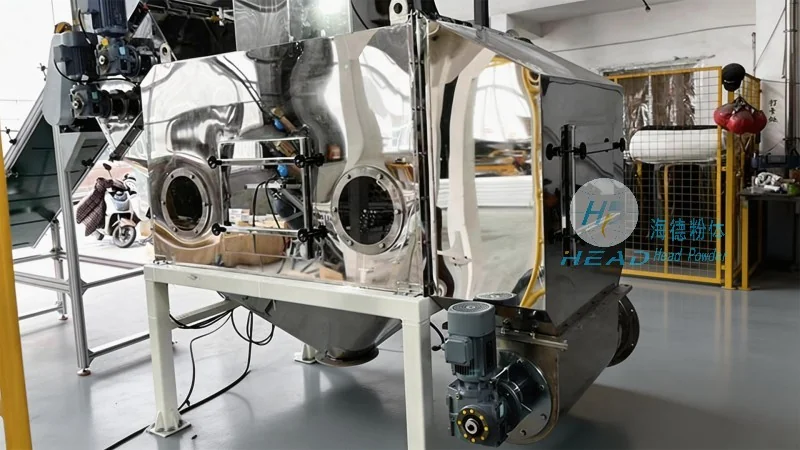
Introduction to Pneumatic Conveying Systems for Mineral Particles
Pneumatic conveying lines for mineral particles utilize the principle of transporting solid materials through a pipeline using a gas stream, typically air or other gases. This method eliminates the need for mechanical components like belts or buckets, reducing wear and maintenance costs. The system operates by creating a pressure differential or using suction to move particles from the source to the destination. The core components include a feeding device, a conveying pipeline, a control system, and a discharge unit. Each component plays a vital role in ensuring the smooth and efficient transport of mineral particles.
The Core Working Principle of Mineral Particle Pneumatic Conveying Lines
The fundamental principle of mineral particle pneumatic conveying lines revolves around the interaction between the gas flow and the solid particles. There are primarily two modes of operation: pressure conveying and vacuum conveying. In pressure conveying, compressed air is used to push the particles through the pipeline from the source to the destination. This method is suitable for long-distance and high-capacity transport. In vacuum conveying, a vacuum is created at the discharge end, drawing particles from the source into the pipeline. This mode is ideal for short-distance or when the source is at a higher elevation than the destination.
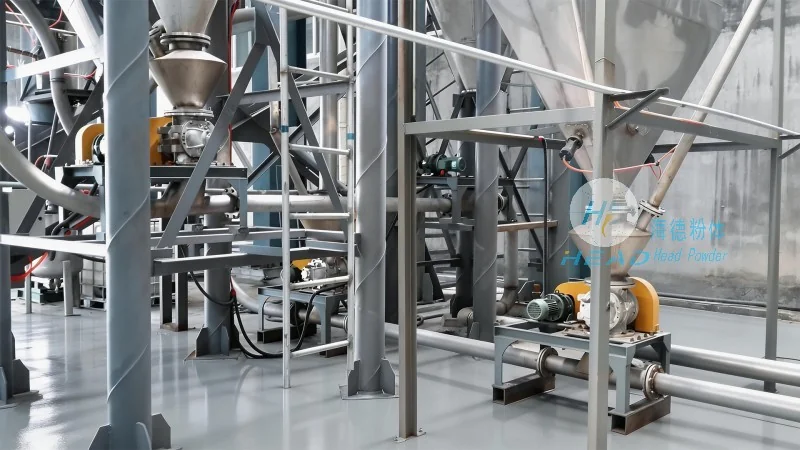
Within these modes, the system employs various techniques to ensure stable and efficient transport. For instance, in pressure conveying, the air velocity must be sufficient to overcome the particle's weight and friction within the pipeline. The design of the pipeline, including its diameter and inclination, is critical to maintaining the required air velocity and preventing particle deposition. In vacuum conveying, the vacuum level and the suction rate are carefully controlled to avoid clogging and ensure consistent particle flow. The choice between pressure and vacuum conveying depends on factors such as the distance between the source and destination, the particle size and density, and the required capacity.
Key Characteristics of Working Scenarios for Pneumatic Conveying Lines
The operational scenarios of pneumatic conveying lines for mineral particles exhibit distinct characteristics that influence their design and application. These scenarios are typically categorized based on the source and destination locations, the particle properties, and the environmental conditions. For example, in industrial settings where mineral particles are produced at a central location and need to be distributed to multiple processing units, a centralized pressure conveying system is often employed. This setup allows for efficient distribution of materials while minimizing the number of pipelines and control points.
Another common scenario involves the transport of mineral particles from a storage silo to a processing plant. In this case, a vacuum conveying system is frequently used, as the particles are often stored at a higher elevation and need to be drawn into the processing equipment. The characteristics of this scenario include the need for gentle handling of the particles to prevent degradation or damage, especially for sensitive materials like fine powders or fragile minerals.
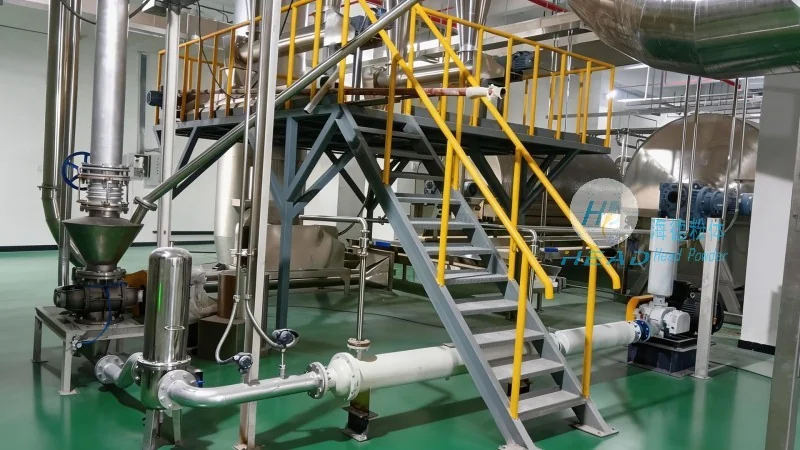
Furthermore, the working scenarios may vary based on the scale of operation. Small-scale applications, such as in laboratory settings or small-scale production facilities, may use simpler pneumatic conveying systems with shorter pipelines and lower capacity. In contrast, large-scale industrial operations, like those in mining or chemical processing, require more complex systems with longer pipelines, higher capacity, and advanced control systems. The characteristics of these scenarios include the need for robust and durable equipment capable of handling high volumes of particles and withstanding harsh environmental conditions.
Application and Advantages in Practical Operations
The practical application of mineral particle pneumatic conveying lines in various industries demonstrates their effectiveness and advantages. In the mining industry, these systems are used to transport ore from the mine to processing facilities, where the ore is crushed, ground, and processed into valuable minerals. The pneumatic conveying lines offer a cost-effective and efficient method of transporting large volumes of ore, reducing the need for trucks or other heavy machinery. This not only lowers transportation costs but also minimizes the environmental impact by reducing dust and noise pollution.
In the chemical industry, pneumatic conveying lines are used to transport various powders, including chemicals, catalysts, and additives. The systems are designed to handle a wide range of particle sizes and densities, ensuring consistent and reliable transport. The advantages of using pneumatic conveying in this industry include the ability to handle abrasive and corrosive materials without causing wear or damage to the equipment. Additionally, the systems can be integrated with other processing equipment, such as mixers and reactors, to form a continuous production line, enhancing overall operational efficiency.
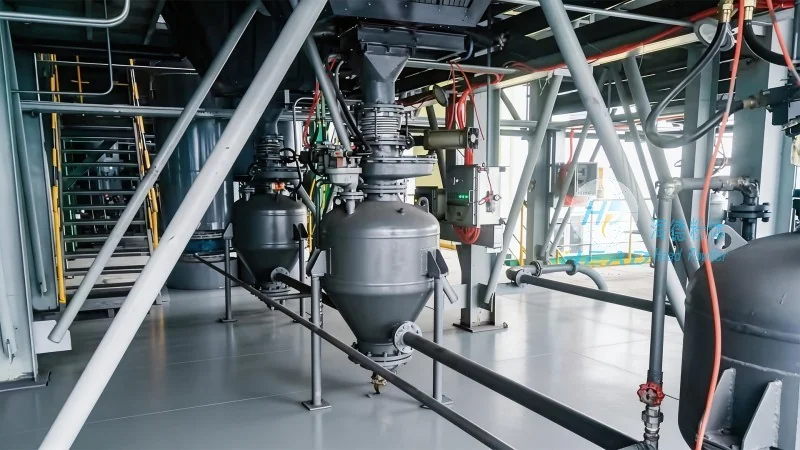
In the food and pharmaceutical industries, the use of pneumatic conveying lines is critical due to the need for hygienic and clean handling of materials. These systems are designed to minimize contamination and ensure the quality of the final product. The characteristics of these scenarios include the use of stainless steel components, air filtration systems, and gentle handling techniques to prevent particle degradation or contamination. The advantages of using pneumatic conveying in these industries include the ability to maintain product quality, reduce labor costs, and improve safety by eliminating manual handling of powders.
Conclusion and Company Overview
Mineral particle pneumatic conveying lines represent a sophisticated and efficient solution for material handling in various industrial applications. The principles of operation, combined with the characteristics of different working scenarios, make these systems versatile and adaptable to diverse operational needs. The effectiveness of these systems is further enhanced by the expertise and technology provided by companies like Shandong HeadPowder Engineering Co., Ltd., which specializes in the design, manufacturing, and installation of pneumatic conveying systems. With a focus on quality and customer satisfaction, HeadPowder has established itself as a leading provider of mineral particle pneumatic conveying solutions, serving industries worldwide with reliable and efficient material handling equipment.




