

Principle and Working Scene Characteristics of Compound Fertilizer Pneumatic Conveying Lines
HeadPowder, a leading manufacturer in the field of material handling solutions, specializes in the design, development, and installation of advanced pneumatic conveying systems. This article focuses on the principle and working scene characteristics of compound fertilizer pneumatic conveying lines, highlighting the technical aspects and practical applications of this essential equipment in the fertilizer industry.
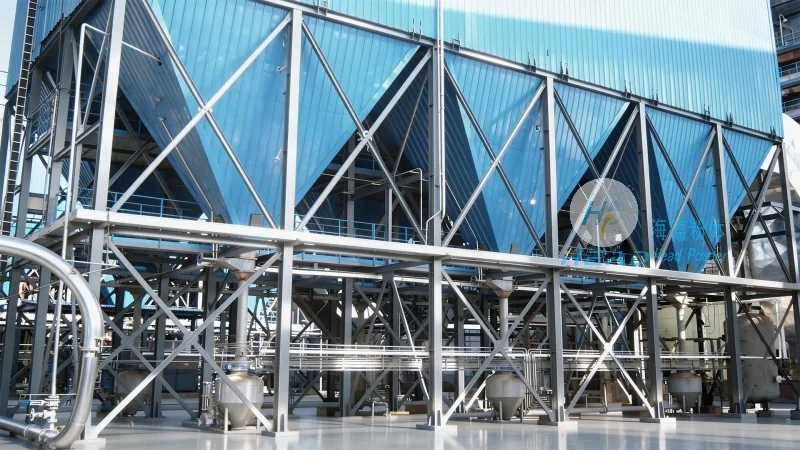
Introduction to Compound Fertilizer Pneumatic Conveying Lines
Compound fertilizer pneumatic conveying lines are sophisticated systems engineered to transport bulk materials, such as granular or powdered fertilizers, from one location to another within industrial facilities. These systems are widely used in the fertilizer production and processing sectors due to their efficiency, reliability, and ability to handle various types of fertilizers with minimal product degradation. The core of these systems lies in the pneumatic conveying technology, which utilizes air or gas to move materials through a network of pipes and components.
The Working Principle of Pneumatic Conveying Systems
The fundamental principle of pneumatic conveying for compound fertilizers involves the creation of a pressure differential within the conveying line. This is typically achieved by using a blower or a positive displacement compressor to generate airflow. The material is then introduced into the system, either by gravity or by a feeder device, and is carried along by the moving air stream. The system can operate under either positive pressure (where the air pressure is higher than the ambient pressure) or negative pressure (where the air pressure is lower than the ambient pressure). Positive pressure systems are commonly used for long-distance or high-capacity conveying, while negative pressure systems are preferred for short-distance or dusty applications.
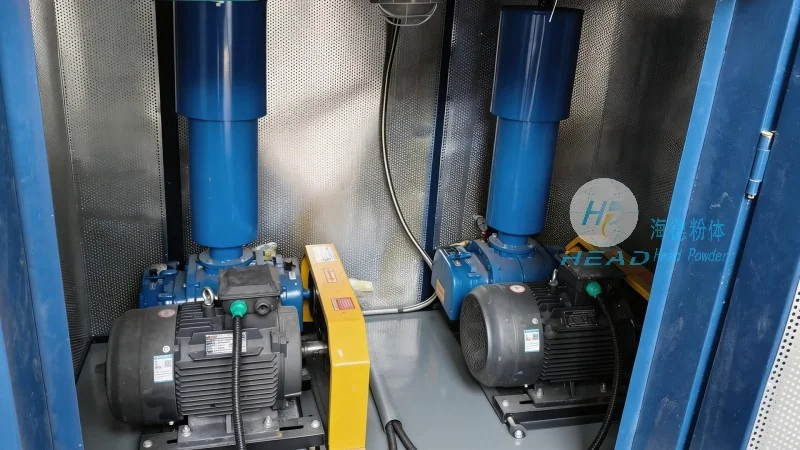
Key Components of Compound Fertilizer Pneumatic Conveying Lines
Several critical components work in tandem to ensure the smooth operation of a compound fertilizer pneumatic conveying line. These include the feeder, which introduces the material into the system; the conveying pipe network, which transports the material; the air source, such as a blower or compressor; and the control system, which regulates the airflow and pressure. Additional components may include filters to remove dust from the air, cyclones for material separation, and silos or storage tanks for material collection. Each component is designed to handle the specific characteristics of compound fertilizers, such as their particle size, moisture content, and bulk density.
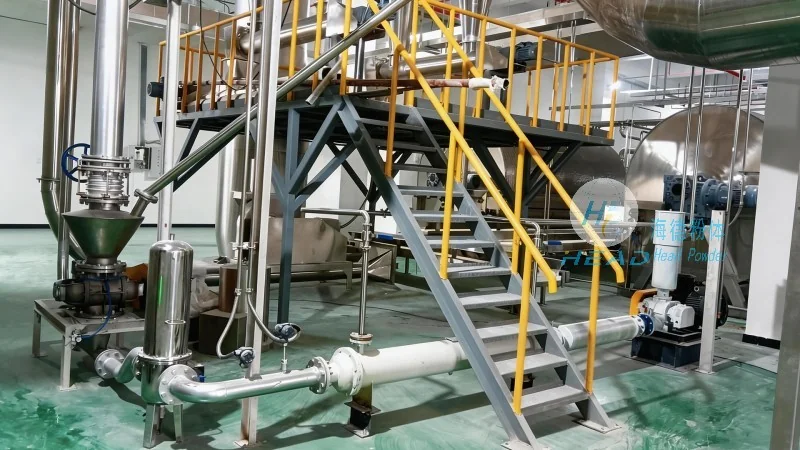
Working Scene Characteristics of Compound Fertilizer Pneumatic Conveying Lines
The working scene characteristics of compound fertilizer pneumatic conveying lines are tailored to meet the specific demands of fertilizer production facilities. These systems are typically installed in environments where space is limited, and where the need for efficient material transfer is paramount. The lines are often integrated into existing production lines, connecting raw material storage areas to processing units, or from processing units to packaging areas. The design of the conveying lines is optimized to minimize material handling time, reduce labor costs, and enhance overall production efficiency. In addition, the systems are built to withstand the corrosive and abrasive nature of fertilizers, ensuring long-term durability and reliability.
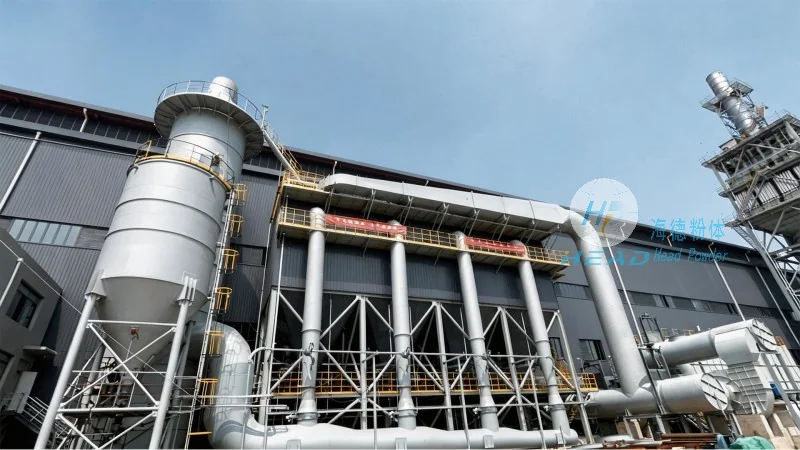
Applications and Benefits in Fertilizer Industry
Compound fertilizer pneumatic conveying lines find extensive applications in various stages of fertilizer production. They are used for transporting raw materials like urea, ammonium nitrate, and other granular or powdered components from storage silos to mixing and granulation units. The systems also facilitate the transfer of finished products from the granulation or coating processes to packaging and shipping areas. The benefits of using these systems include improved safety by reducing manual handling of bulk materials, increased production throughput due to faster material transfer, and lower operational costs through reduced energy consumption and maintenance requirements. Furthermore, the systems help maintain product quality by minimizing material segregation and degradation during transport.
Conclusion
Compound fertilizer pneumatic conveying lines represent a critical technology in the modern fertilizer industry, offering efficient, reliable, and cost-effective solutions for material handling. With their ability to handle a wide range of fertilizer types and their adaptability to various production environments, these systems are essential for optimizing production processes and enhancing overall operational efficiency. HeadPowder, with its expertise in engineering and manufacturing, continues to provide high-quality pneumatic conveying solutions that meet the evolving needs of the fertilizer sector.