

Principle and Working Scene Characteristics of Biological Enzyme Pneumatic Conveying Lines
Biological enzyme pneumatic conveying lines represent a sophisticated and efficient method for transporting enzyme materials, particularly in industrial settings where precision and reliability are paramount. The core principle behind these systems involves the use of compressed air or other gas to create a flow that moves solid particles, such as enzyme powders, through a pipeline. This pneumatic transport technology offers several advantages over traditional methods, including reduced contamination risks, improved material handling efficiency, and the ability to operate in environments where direct contact with machinery is minimized.
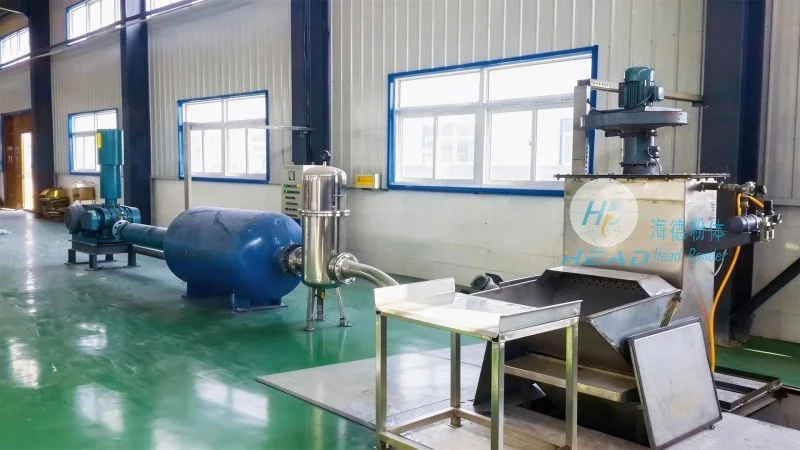
Working Principle of Biological Enzyme Pneumatic Conveying Lines
The operation of a biological enzyme pneumatic conveying line is based on the fundamental principle of fluidization and gas-solid flow. In these systems, a fan or blower generates a flow of air or inert gas, which is directed into a hopper or feeder containing the enzyme powder. As the gas flows through the material, it creates a fluidized bed, lifting the particles and propelling them through the pipeline. The velocity of the gas is carefully controlled to ensure that the particles remain suspended without causing excessive wear on the system components. This controlled flow minimizes particle degradation and maintains the integrity of the enzyme product, which is critical for applications where enzyme activity and purity are essential.
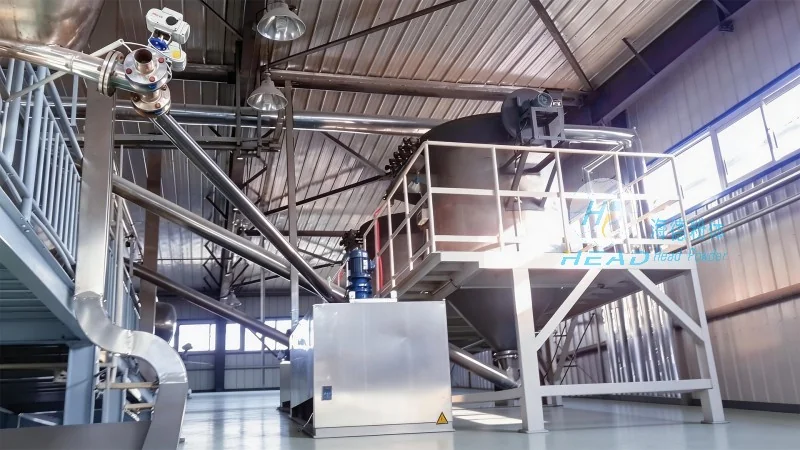
Key Components and Their Functions
Several key components work in tandem to ensure the smooth operation of a biological enzyme pneumatic conveying line. The primary components include a material feeder, which controls the flow rate of the enzyme powder into the system; a conveying pipeline, typically made of stainless steel or other corrosion-resistant materials to prevent contamination; a filter system, which removes any fine particles or dust from the exhaust air; and a control unit, which monitors and adjusts the air pressure and flow rate as needed. The material feeder may use a rotary valve or a screw feeder to regulate the input of the enzyme, ensuring a consistent and controlled flow. The conveying pipeline is designed with smooth, rounded bends and minimal fittings to reduce pressure drop and prevent blockages. The filter system is crucial for maintaining air quality and preventing the release of enzyme particles into the environment, which is especially important in food and pharmaceutical industries where regulatory compliance is strict.
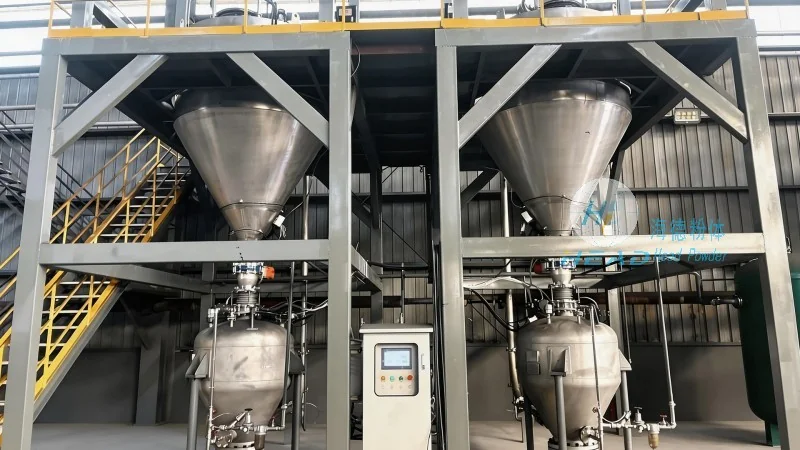
Working Scene Characteristics and Applications
The working scene characteristics of biological enzyme pneumatic conveying lines are tailored to meet the specific needs of various industrial applications. These systems are commonly used in the food processing industry for transporting enzymes used in baking, dairy, and beverage production. For example, in baking, enzymes like amylases and proteases are used to improve dough texture and flavor, and pneumatic conveying lines ensure that these enzymes are delivered to the production line without degradation. In the dairy industry, enzymes are used for cheese production, and the pneumatic system helps maintain the purity and activity of the enzymes during transport. Additionally, these systems are applied in the pharmaceutical and biotechnology sectors for transporting enzyme powders used in drug manufacturing and research. The ability to handle sensitive materials with minimal contact and contamination makes these lines ideal for applications where product quality and regulatory standards are non-negotiable.
Advantages and Benefits in Practical Use
Implementing a biological enzyme pneumatic conveying line offers numerous advantages for industrial operations. One of the most significant benefits is the reduction in labor costs associated with manual handling of enzyme powders. By automating the transport process, companies can minimize the risk of human error and improve overall efficiency. Additionally, the system reduces the risk of cross-contamination, which is critical in industries where product purity is essential. The use of stainless steel components and closed systems also helps maintain hygiene standards, which is particularly important in food and pharmaceutical applications. Furthermore, the energy efficiency of pneumatic conveying systems, when properly designed, can lead to cost savings over time. The ability to handle a wide range of particle sizes and flow rates makes these lines versatile and adaptable to different production needs. This flexibility allows companies to scale their operations without significant changes to the conveying system, providing a long-term solution for material transport.
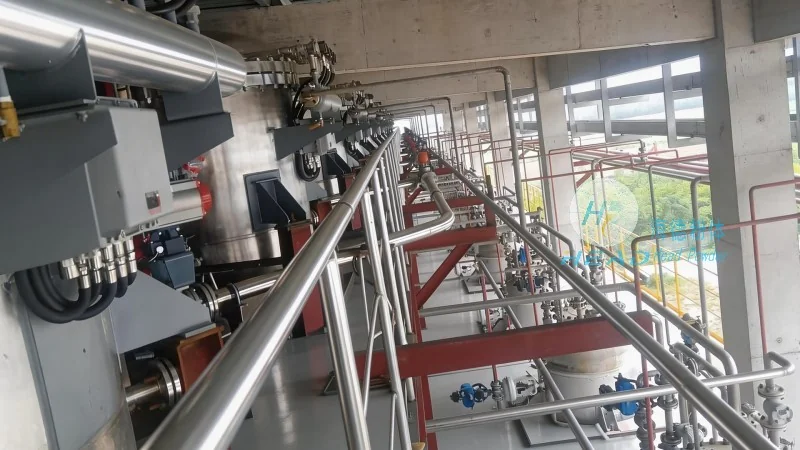
Company Profile: Shandong HeadPowder Engineering Co., Ltd.
HeadPowder, formally known as Shandong HeadPowder Engineering Co., Ltd., is a leading manufacturer and supplier of advanced material handling solutions, including biological enzyme pneumatic conveying lines. With a strong focus on innovation and quality, the company has established itself as a trusted partner for industries requiring reliable and efficient enzyme transport systems. HeadPowder's expertise lies in designing customized solutions that meet the specific requirements of each client, ensuring optimal performance and compliance with industry standards. The company's facilities are located in Shandong, China, where it leverages local resources and expertise to deliver high-quality products and services. By combining advanced engineering with practical application knowledge, HeadPowder provides comprehensive support to its clients, from system design and installation to maintenance and after-sales service. This commitment to excellence has made HeadPowder a preferred choice for businesses seeking to enhance their material handling processes and improve overall operational efficiency.