PTFE (Polytetrafluoroethylene) pneumatic conveying equipment is a specialized system designed for the efficient and safe transport of powders and bulk materials. This equipment utilizes air or gas as the conveying medium to move materials from one location to another within industrial processes. The technology is widely adopted across various industries due to its ability to handle a broad range of materials, including those that are abrasive, corrosive, or sensitive to moisture. In this article, we will explore the key aspects of PTFE pneumatic conveying equipment, focusing on its structure and working principles.
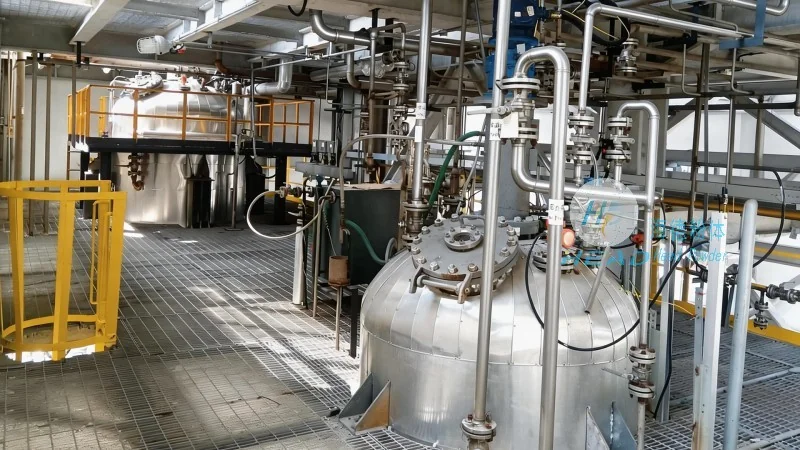
Company Overview: Shandong HeadPowder Engineering Co., Ltd.
Shandong HeadPowder Engineering Co., Ltd., commonly known as HeadPowder, is a leading manufacturer and supplier of advanced pneumatic conveying solutions. With a strong commitment to innovation and quality, the company specializes in designing and producing PTFE-based equipment tailored to meet the diverse needs of industrial applications. HeadPowder's expertise lies in leveraging PTFE's unique properties, such as its excellent chemical resistance, low friction coefficient, and thermal stability, to create reliable and durable conveying systems. The company's headquarters is located in Shandong, China, where it operates a state-of-the-art manufacturing facility and research center.
Introduction to PTFE Pneumatic Conveying Equipment
PTFE pneumatic conveying equipment operates on the principle of using air or gas to create a flow that transports solid materials. The system typically consists of several key components, including a material feed hopper, a conveying line, a separation unit, and a dust collection system. The PTFE material is chosen for its non-stick and low-friction properties, which prevent material buildup and ensure smooth operation. This equipment is particularly suitable for handling materials that are prone to caking, agglomeration, or contamination, as PTFE's surface characteristics minimize adhesion and promote consistent flow.
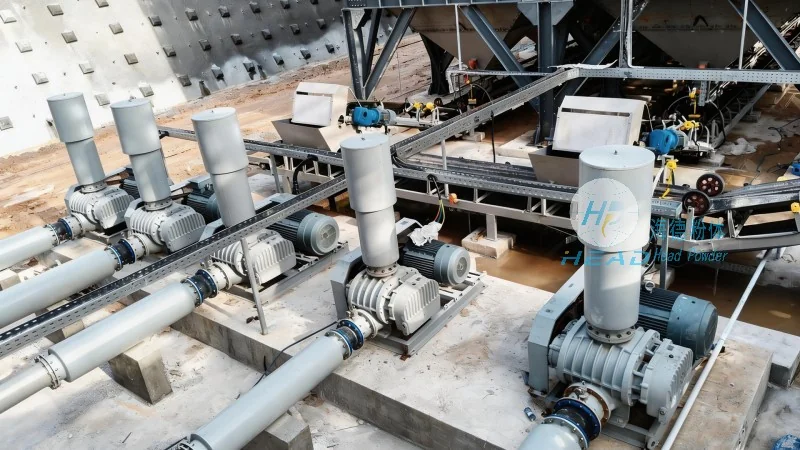
Structural Components and Working Principles
The core structure of PTFE pneumatic conveying equipment includes the following components: 1. **Material Feed Hopper**: This component holds the bulk material to be conveyed. It is equipped with a feeding mechanism, such as a rotary valve or a screw feeder, which controls the flow rate of the material into the conveying line. The hopper is often lined with PTFE to prevent material sticking and ensure easy discharge. 2. **Conveying Line**: The material is transported through a pipeline made from PTFE or other compatible materials. The pipeline is designed to withstand the pressure and temperature conditions of the conveying process. The air or gas is introduced into the line at a controlled pressure, creating a flow that propels the material forward. 3. **Separation Unit**: At the receiving end of the conveying line, a separation unit is used to separate the material from the air stream. This unit may include a cyclone separator or a bag filter, which captures the material and returns it to the process or storage area. 4. **Dust Collection System**: To ensure environmental compliance and operator safety, a dust collection system is integrated into the design. This system captures any airborne particles and filters them before releasing clean air back into the environment.
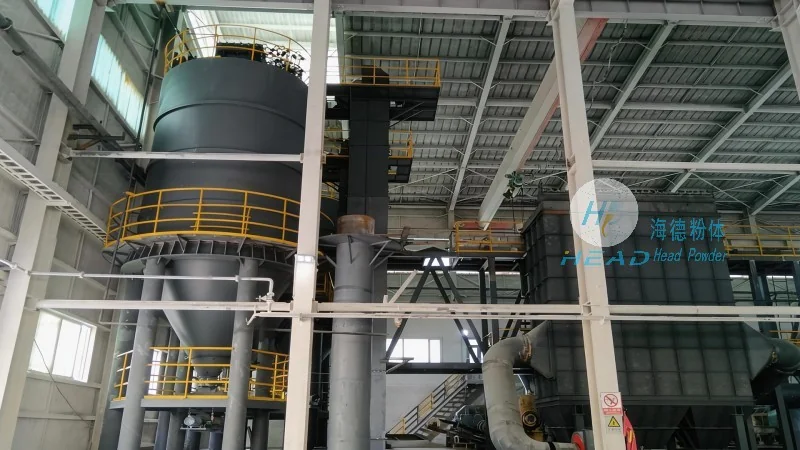
Advantages of PTFE in Pneumatic Conveying
PTFE's exceptional properties make it an ideal material for pneumatic conveying applications. Its chemical inertness allows it to resist corrosion from acidic or alkaline materials, ensuring long-term durability. The low coefficient of friction reduces wear and tear on the equipment, minimizing maintenance requirements. Additionally, PTFE's thermal stability enables it to operate in a wide range of temperatures without degradation. These advantages contribute to the overall efficiency and reliability of the conveying system, making it a preferred choice for industries dealing with sensitive or challenging materials.
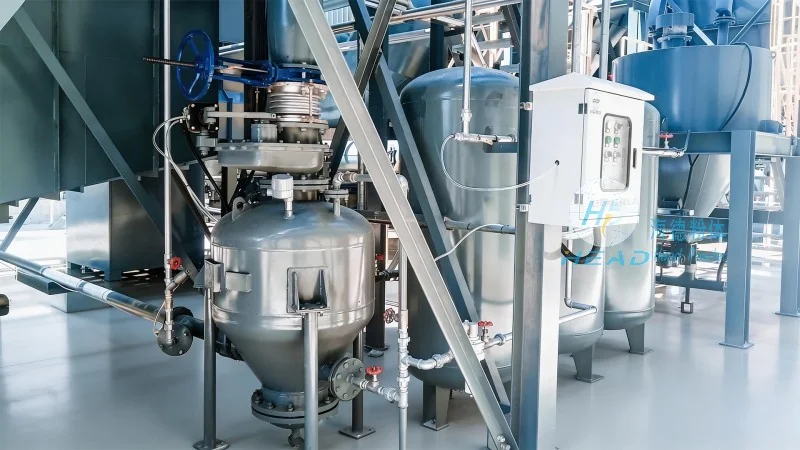
Applications and Industries
PTFE pneumatic conveying equipment is widely used in various industries, including pharmaceuticals, food processing, chemical manufacturing, and mining. In the pharmaceutical industry, it is used to transport active ingredients and excipients with strict purity requirements. The food industry benefits from PTFE's non-stick and hygienic properties, which prevent contamination and ensure compliance with food safety regulations. Chemical manufacturers utilize PTFE to handle corrosive and hazardous materials safely. Mining and mineral processing industries employ PTFE conveying systems to transport raw materials and byproducts efficiently. The versatility of PTFE makes it suitable for a broad spectrum of applications, where material handling efficiency and safety are paramount.
Conclusion
PTFE pneumatic conveying equipment represents a sophisticated solution for the efficient and safe transport of bulk materials. By leveraging PTFE's unique properties, such as chemical resistance, low friction, and thermal stability, these systems provide reliable performance across diverse industrial applications. Shandong HeadPowder Engineering Co., Ltd. continues to innovate in this field, offering advanced PTFE-based conveying solutions that meet the evolving needs of modern industry. The combination of robust design and PTFE's inherent advantages ensures that PTFE pneumatic conveying equipment remains a cornerstone of material handling technology.




