Introduction to Clay Ash Pneumatic Conveying Equipment: Structure and Working Principle
Release time:2026-09-21 21:01:49
name of the company:Shandong Headpowder Engineering Co., Ltd.
telephone:156-6277-7102
contacts:Zhang manager
Clay ash, a fine particulate material generated as a byproduct in thermal power plants and cement production facilities, requires specialized handling equipment to ensure efficient and safe transport. The clay ash pneumatic conveying system addresses this need by utilizing air as the conveying medium to move the material through a network of pipes. This technology has become a preferred solution in industrial applications due to its ability to handle abrasive and sticky materials while maintaining a dust-free environment. The equipment is designed to integrate seamlessly with existing industrial infrastructure, providing a reliable method for transporting clay ash from its source to storage or processing locations.
Key Components and Structural Design
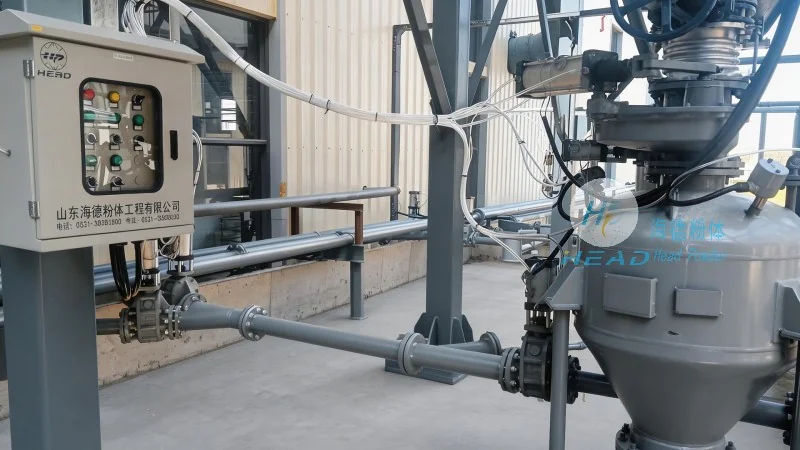
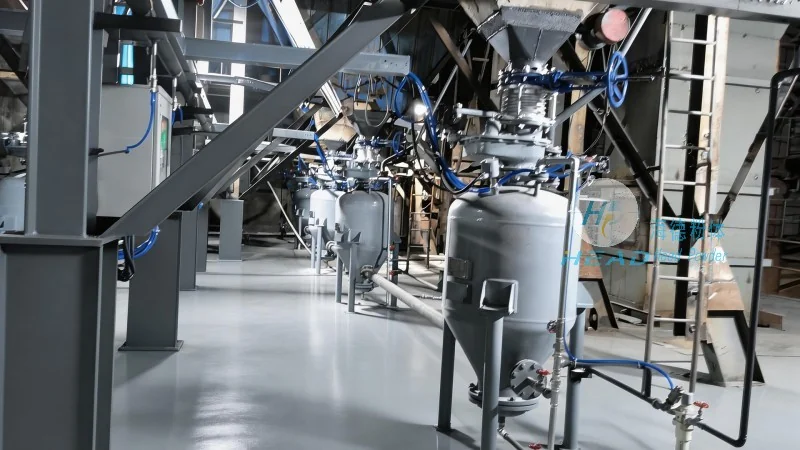
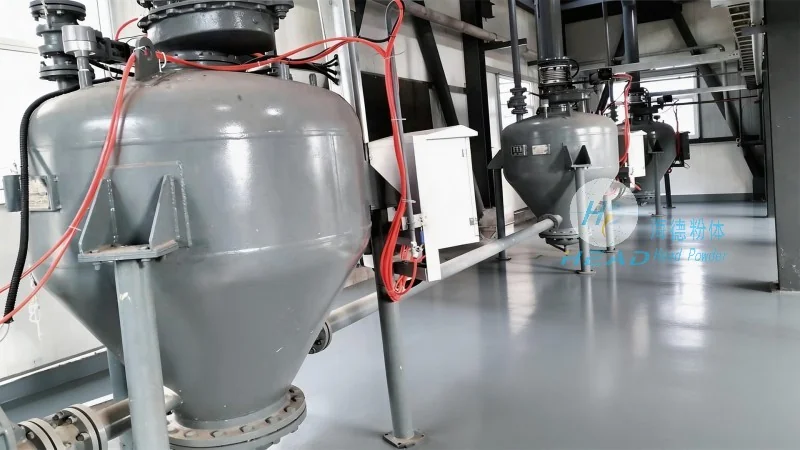
The clay ash pneumatic conveying system comprises several essential components, each engineered to perform specific functions in the material transport process. The primary components include a material hopper, which serves as the storage vessel for clay ash, equipped with a level indicator and discharge valve to control the material flow. The rotary airlock feeder, positioned at the bottom of the hopper, regulates the feed rate of clay ash into the conveying pipeline, preventing overfilling and ensuring a consistent material supply. The conveying pipeline, typically made of stainless steel or high-density polyethylene, is designed to withstand the abrasive nature of clay ash and resist corrosion from moisture or contaminants. The pipeline network may include various fittings such as elbows, tees, and expansion joints, which are strategically placed to maintain the air pressure and minimize pressure losses during material transport. The blower or positive displacement pump, the heart of the system, generates the necessary air pressure to move the material through the pipeline. This component is selected based on the required conveying capacity and the distance of the material transport, with options including centrifugal blowers for low to medium pressure applications and positive displacement pumps for high-pressure, high-capacity needs. The dust collector or filter, located at the receiving end of the pipeline, separates the clay ash from the air stream, ensuring compliance with environmental regulations and maintaining air quality. The system also includes control panels and sensors to monitor and regulate the operation, providing real-time feedback on material flow, air pressure, and system performance.




