Hydrated lime, also known as calcium hydroxide, is a widely used industrial material in various sectors including construction, chemical processing, and environmental treatment. The efficient and safe transportation of this material from production sites to processing facilities is crucial for maintaining operational efficiency and product quality. Pneumatic conveying equipment has emerged as a preferred solution for handling hydrated lime due to its ability to transport bulk materials in a dust-free and controlled manner. This article provides an overview of the structure and working principle of hydrated lime pneumatic conveying equipment, highlighting its key components and operational mechanisms.
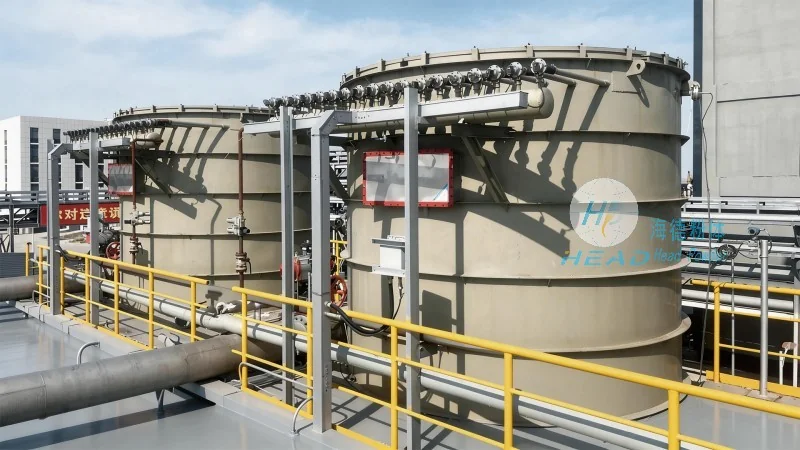
Overview of Hydrated Lime Pneumatic Conveying Equipment
HeadPowder, a leading manufacturer based in Shandong, China, specializes in the design and production of advanced pneumatic conveying systems tailored for the handling of various bulk materials, including hydrated lime. The company's expertise lies in developing customized solutions that meet the specific requirements of clients in different industries. The equipment manufactured by HeadPowder is engineered to ensure high efficiency, reliability, and minimal maintenance, making it an ideal choice for both new installations and upgrades to existing material handling systems.
Key Structural Components of the Pneumatic Conveying System
The hydrated lime pneumatic conveying system typically consists of several critical components that work in concert to achieve effective material transport. The main parts include the material hopper, feeder, air compressor, conveying pipeline, and receiver. Each component plays a vital role in the overall operation of the system.
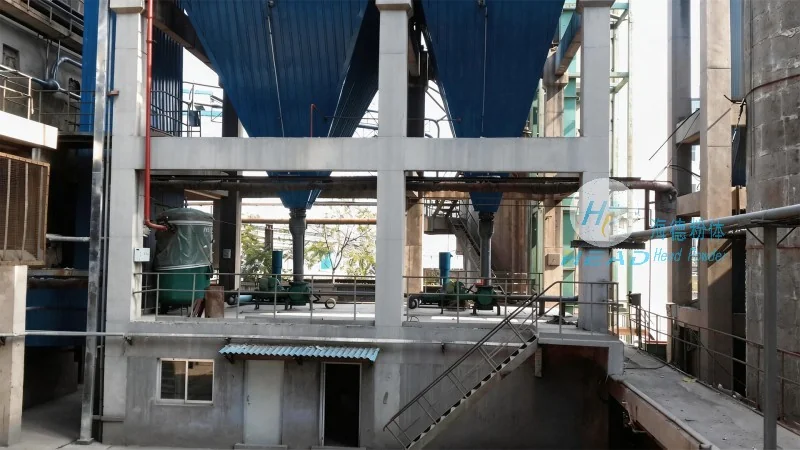
The material hopper is the initial storage unit where hydrated lime is loaded before being fed into the system. It is designed with a sloped bottom to facilitate the smooth discharge of material into the feeder. The feeder, often a rotary valve or a screw feeder, controls the flow rate of hydrated lime into the conveying line, ensuring a consistent and controlled supply of material. The air compressor generates the necessary pressure and volume of air to propel the material through the pipeline. The conveying pipeline, usually made of stainless steel or other corrosion-resistant materials, is designed to withstand the abrasive nature of hydrated lime and maintain the integrity of the material during transport. The receiver is the final storage container where the conveyed hydrated lime is deposited, completing the material handling process.
Working Principle of the Pneumatic Conveying System
The operation of the hydrated lime pneumatic conveying system is based on the principle of pneumatic transport, where material particles are suspended and transported by a moving air stream. The process begins with the material being discharged from the hopper into the feeder. The feeder then meters the material into the conveying pipeline at a controlled rate. Simultaneously, the air compressor supplies compressed air into the pipeline, creating a high-velocity air flow. As the air flows through the pipeline, it lifts and carries the hydrated lime particles along with it. The combination of air velocity and particle size determines the conveying velocity and efficiency. The material travels through the pipeline until it reaches the receiver, where the air is separated from the material, and the hydrated lime is collected in the receiver. The air, now containing any fine particles, is typically filtered and recycled back into the system to minimize energy loss and environmental impact.
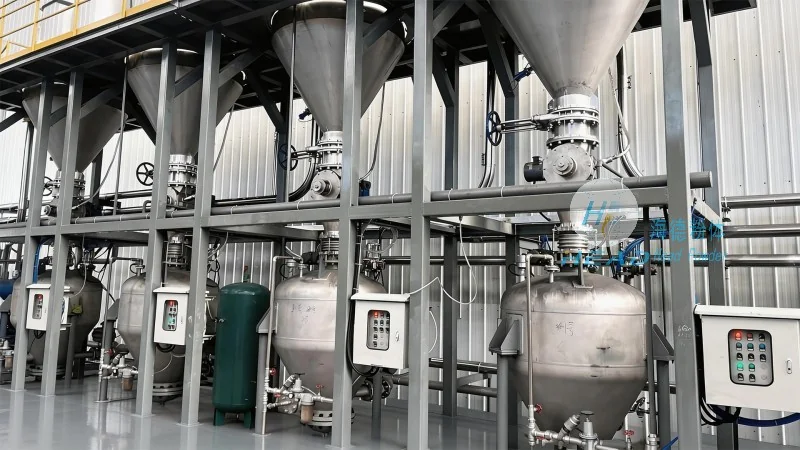
Advantages and Applications of Hydrated Lime Pneumatic Conveying Equipment
HeadPowder's hydrated lime pneumatic conveying equipment offers several advantages that make it a preferred choice for industrial applications. One of the key benefits is the ability to transport hydrated lime in a dust-free environment, which enhances workplace safety and reduces the risk of respiratory issues for operators. The system also provides a high degree of control over the material flow rate, ensuring consistent product quality and preventing overloading or underloading of downstream processing equipment. Additionally, the equipment is designed for low maintenance, with components that are easily accessible and replaceable, reducing downtime and operational costs. The system's compact design allows for flexible installation in various industrial settings, making it suitable for both new construction projects and retrofitting existing facilities.
Applications of this equipment are widespread across industries that utilize hydrated lime. In the construction industry, it is used for the production of cement, mortar, and other building materials. In the chemical processing sector, it serves as a raw material for the manufacturing of various chemicals and pharmaceuticals. The equipment is also employed in environmental treatment processes, such as water treatment and flue gas desulfurization, where hydrated lime is used to neutralize acidic substances. The efficient and reliable transport of hydrated lime through pneumatic conveying systems ensures that these processes can operate smoothly and meet regulatory standards.




