

Principles and Working Scene Characteristics of Molybdenum Trioxide Powder Conveying
Understanding the principles and characteristics of molybdenum trioxide (MoO₃) powder conveying is crucial for optimizing industrial processes where this high-value material is handled. As a leading provider in the field, Shandong HeadPowder Engineering Co., Ltd., commonly known as headpowder, specializes in the design and implementation of efficient powder handling systems tailored to the unique demands of MoO₃ applications.
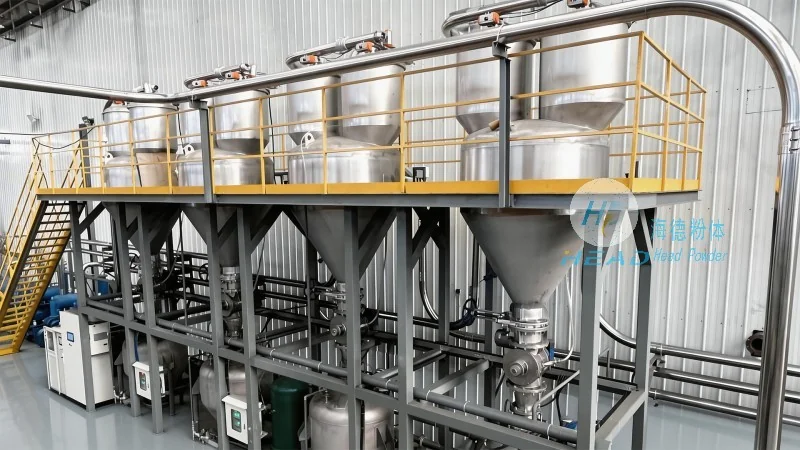
Core Principles of Molybdenum Trioxide Powder Conveying
The primary principle behind MoO₃ powder conveying involves the effective transport of fine, often abrasive, particles from one location to another without degradation or loss. This process typically relies on a combination of mechanical and pneumatic systems, each chosen based on the specific properties of the material and the operational environment. For MoO₃, which is known for its high purity and sensitivity to contamination, the conveying method must ensure minimal particle breakage and prevent exposure to moisture or air, as these factors can affect its chemical stability and performance in downstream applications.
One of the most common methods is the use of positive displacement blowers or rotary lobe pumps, which provide consistent pressure to move the powder through pipelines. This approach is particularly effective for handling MoO₃ in bulk, as it maintains a stable flow rate and reduces the risk of clogging, which can occur with finer powders. Alternatively, pneumatic conveying systems, such as dilute-phase or dense-phase systems, are employed when the material needs to be transported over longer distances or through complex networked pipelines. These systems utilize compressed air to create a flow that carries the powder particles, ensuring that even the most delicate MoO₃ particles are transported without agglomeration or degradation.
Working Scene Characteristics in Industrial Applications
The working scene characteristics of MoO₃ powder conveying vary significantly across different industrial sectors, reflecting the diverse uses of this material. In the chemical industry, MoO₃ is commonly used as a catalyst in the production of sulfuric acid and other chemical processes. Here, the conveying system must be integrated with reactors and processing units, often requiring high-precision dosing and controlled flow rates to maintain reaction efficiency. The environment in such settings is typically characterized by strict temperature and humidity controls, as MoO₃ is sensitive to moisture and can degrade under certain conditions, which the conveying system must mitigate.
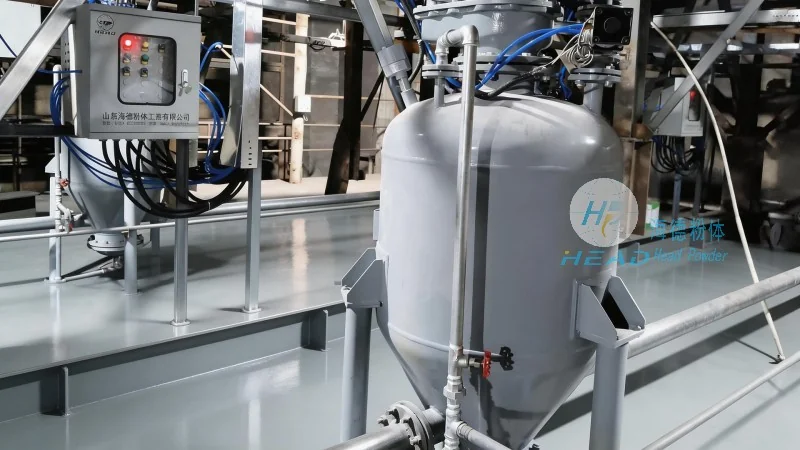
In the metallurgical sector, MoO₃ is used as an additive in the production of molybdenum metal and alloys. The conveying process in this context involves moving the powder from storage silos to smelting furnaces or mixing equipment. The working scene here is often characterized by high temperatures and abrasive conditions, requiring robust materials for the conveying equipment to withstand wear and corrosion. Additionally, the system must be designed to handle large volumes of MoO₃, as it is a key raw material in metal production, and any inefficiency in the conveying process can lead to significant production delays.
In the semiconductor and electronics industry, MoO₃ is utilized as a dielectric material in capacitors and other electronic components. The conveying of MoO₃ in this sector demands extreme precision and cleanliness, as even trace contaminants can affect the performance of electronic devices. The working scene is typically in cleanroom environments, where the conveying system must be sealed and filtered to prevent dust and particles from entering the production line. This requires advanced filtration systems and careful control of air pressure and flow, ensuring that the MoO₃ powder remains in a pristine state throughout the conveying process.
Key Factors Influencing MoO₃ Powder Conveying Performance
Several factors are critical in determining the effectiveness of MoO₃ powder conveying systems. Particle size and density are primary considerations, as finer particles require more careful handling to avoid agglomeration and blockages. The moisture content of the powder is another critical factor, as MoO₃ is hygroscopic and can absorb moisture from the air, leading to clumping and reduced flowability. The conveying system must therefore include drying or moisture control mechanisms to maintain the powder's quality.
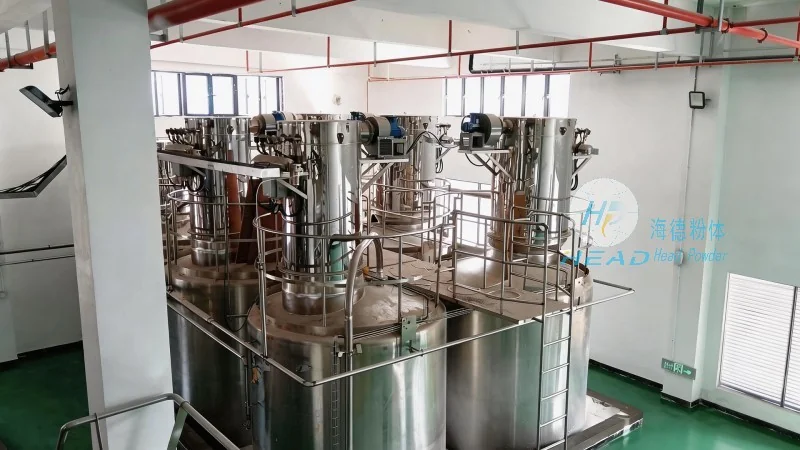
System pressure and flow rate are also essential parameters. High-pressure systems are often used for dense-phase conveying, which is effective for transporting larger quantities of MoO₃ over longer distances with less energy consumption. However, the pressure must be carefully managed to prevent the powder from being compressed or deformed, which could affect its properties. Flow rate control is equally important, as it ensures that the MoO₃ is delivered at the correct rate to downstream processes, avoiding overloading or under-dosing.
Material compatibility is another key factor, as the conveying equipment must be made of materials that are resistant to the chemical properties of MoO₃. Stainless steel and specialized alloys are commonly used for pipelines and valves to prevent corrosion and contamination. Additionally, the system must be designed for easy maintenance and cleaning, as MoO₃ can adhere to surfaces and require regular cleaning to prevent build-up and blockages.
Conclusion and Company Expertise
Efficient molybdenum trioxide powder conveying is essential for maintaining the quality and performance of this critical material in various industrial applications. The principles and working scene characteristics outlined above highlight the complexity and importance of designing and implementing effective powder handling systems. Shandong HeadPowder Engineering Co., Ltd. leverages its expertise in material science and industrial engineering to provide tailored solutions that address the unique challenges of MoO₃ conveying. With a focus on precision, reliability, and durability, headpowder ensures that MoO₃ is transported safely and efficiently, supporting the success of its clients in diverse sectors.