Chocolate powder conveying is a critical process in the chocolate manufacturing industry, ensuring efficient and hygienic transfer of raw materials and finished products. The technology behind this process involves various mechanical and pneumatic systems designed to handle the unique properties of chocolate powder, such as its fine particle size, hygroscopic nature, and the need for strict contamination control. Understanding the principles and working characteristics of these conveying systems is essential for optimizing production lines and maintaining product quality.
Key Principles of Chocolate Powder Conveying
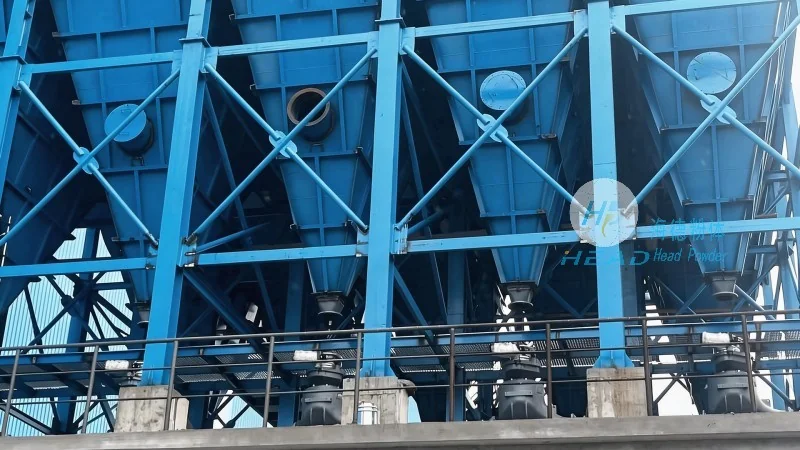
The core principle of chocolate powder conveying revolves around the efficient movement of powder from one point to another while preserving its quality and integrity. This is achieved through a combination of mechanical and pneumatic methods, each tailored to the specific requirements of the chocolate production environment. For instance, pneumatic conveying systems use air to transport powder through pipelines, leveraging pressure differentials to move material with minimal friction and contamination. These systems are particularly effective for handling fine powders like chocolate, as they can maintain a consistent flow rate and prevent product degradation. Mechanical conveying, on the other hand, relies on rotating components like screws or belts to move powder, offering a more direct and contact-based approach that is suitable for applications where air exposure is undesirable. Both methods are designed to meet the stringent hygiene standards required in food processing, with features such as stainless steel construction, easy cleaning, and sealed components to prevent cross-contamination.
Working Scene Characteristics of Chocolate Powder Conveying Systems
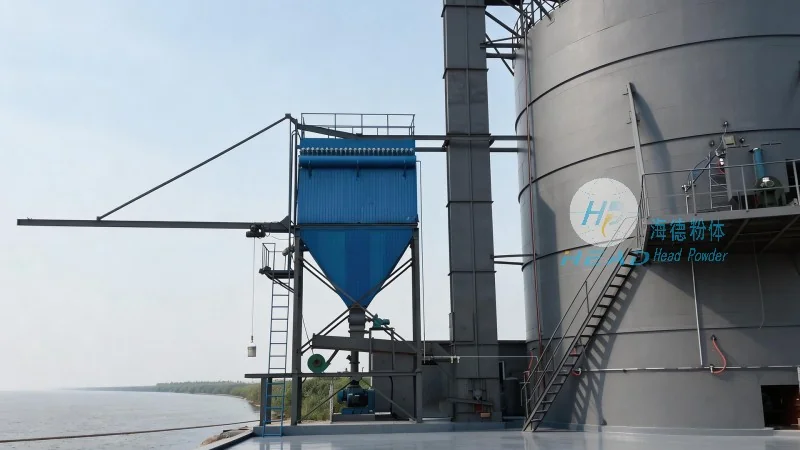
The working scene characteristics of chocolate powder conveying systems are shaped by the specific needs of the chocolate production line. In industrial settings, these systems are typically integrated into larger production workflows, from receiving raw cocoa powder to delivering finished chocolate products. The key characteristics include high efficiency, as they can handle large volumes of powder with minimal downtime, and flexibility, allowing for adjustments in flow rates and direction to accommodate different production stages. For example, in a typical chocolate factory, a conveying system might start by transporting cocoa powder from storage silos to a grinding station, where it is mixed with other ingredients. The system then continues to move the blended powder through various processing stages, such as tempering and molding, before delivering the final product to packaging lines. The hygienic design of these systems is paramount, as chocolate products are highly sensitive to contaminants and moisture. Manufacturers like Shandong HeadPowder Engineering Co., Ltd. specialize in designing and manufacturing conveying solutions that meet these standards, ensuring that the powder remains free from dust, moisture, and other impurities throughout the process. Additionally, the systems are engineered for durability and low maintenance, reducing operational costs and increasing overall productivity in chocolate production facilities.
Application Examples in Chocolate Manufacturing
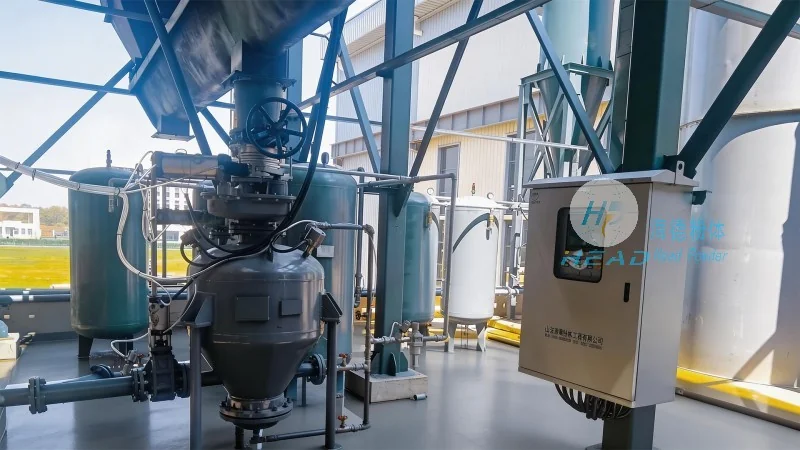
Chocolate powder conveying systems are widely used in various stages of chocolate manufacturing, each with specific requirements tailored to the process. One common application is the transfer of cocoa powder from bulk storage to processing equipment. In this scenario, a pneumatic conveying system is often preferred due to its ability to handle large quantities of fine powder without the need for manual handling. The system typically consists of a hopper, a rotary valve, and a pipeline network that connects to the grinding and mixing equipment. The process involves feeding cocoa powder into the hopper, where it is then conveyed through the pipeline using compressed air, ensuring a continuous and controlled flow to the processing unit. Another application is the conveying of finished chocolate products, such as cocoa powder for baking or confectionery items. Here, mechanical conveying systems may be used to transport the powder from the production line to storage silos or packaging areas. These systems are designed with enclosed components to prevent product exposure to the environment, maintaining the quality and freshness of the chocolate powder. The working scene characteristics in these applications include the need for precise control over flow rates, as over-conveying can lead to product waste or equipment damage, while under-conveying can cause bottlenecks in the production line. Advanced control systems are often integrated into these conveying systems to optimize performance and ensure consistent operation.
Benefits and Considerations for Chocolate Powder Conveying
Implementing effective chocolate powder conveying systems offers several benefits to chocolate manufacturers. Firstly, these systems enhance production efficiency by reducing manual labor and minimizing downtime. By automating the transfer of powder, manufacturers can increase throughput and meet higher production demands. Secondly, the hygienic design of these systems helps maintain product quality and safety, which is crucial in the food industry. The use of stainless steel and sealed components prevents contamination, ensuring that the chocolate powder meets regulatory standards and consumer expectations. Additionally, the energy efficiency of modern conveying systems reduces operational costs, making them a cost-effective solution for long-term use. However, there are also considerations to keep in mind when selecting a conveying system. The choice between pneumatic and mechanical systems depends on factors such as the volume of powder to be conveyed, the distance between processing points, and the need for product protection. For example, pneumatic systems are better suited for long-distance conveying and handling fine powders, while mechanical systems are more suitable for short distances and applications where air exposure is undesirable. Furthermore, the maintenance requirements of each system should be considered, as regular upkeep is essential to ensure consistent performance and prevent breakdowns. Manufacturers like Shandong HeadPowder Engineering Co., Ltd. provide comprehensive solutions that address these considerations, offering customized conveying systems tailored to the specific needs of each chocolate production facility.
Conclusion
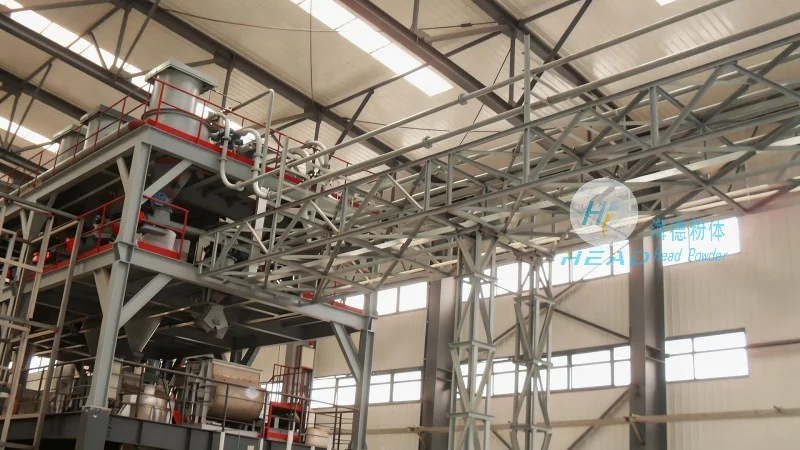
In conclusion, the principles and working scene characteristics of chocolate powder conveying are fundamental to the efficiency and quality of chocolate manufacturing. By leveraging advanced mechanical and pneumatic systems, manufacturers can ensure the safe and efficient transfer of chocolate powder throughout the production process. The integration of hygienic design, precise control, and durable construction in these systems helps maintain product integrity and meet industry standards. As the chocolate industry continues to evolve, the importance of reliable conveying solutions will only increase, making it essential for manufacturers to invest in high-quality systems that are tailored to their specific needs. With companies like Shandong HeadPowder Engineering Co., Ltd. leading the way in designing and manufacturing these systems, chocolate manufacturers can enhance their production capabilities and deliver high-quality products to consumers.




