

[Cement Auxiliary Powder Material Handling: Principles and Working Scene Characteristics]
Understanding the principles and operational characteristics of cement auxiliary powder material handling is crucial for optimizing industrial processes in the cement and related industries. This article delves into the core mechanisms behind the efficient transport of auxiliary powders, such as fly ash, slag, and other additives, and explores the specific working scenarios where these systems are most effectively applied. By examining the technical foundations and practical applications, we aim to provide a comprehensive overview for professionals seeking to enhance material handling efficiency and reliability.
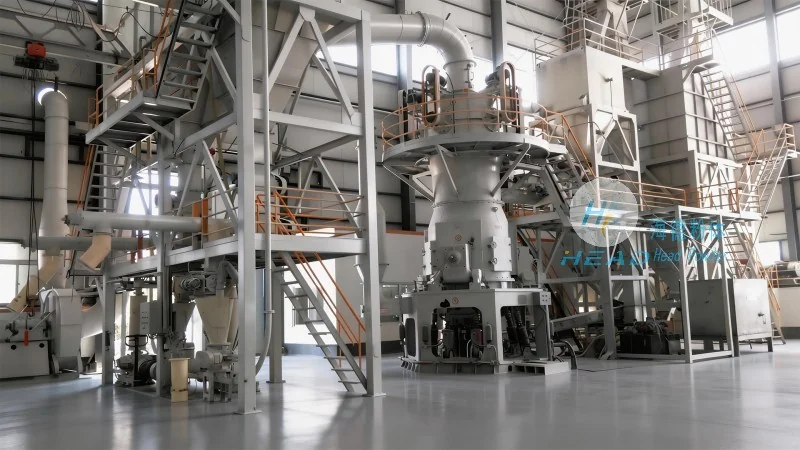
Core Principles of Cement Auxiliary Powder Conveying
The fundamental principles of cement auxiliary powder material handling revolve around the efficient movement of bulk materials from storage to processing points. Key mechanisms include pneumatic conveying, mechanical screw conveyors, and bucket elevators, each tailored to the specific properties of the powder, such as particle size, moisture content, and flowability. Pneumatic systems, for instance, utilize air pressure to transport powders through pipelines, offering advantages like low maintenance and the ability to handle fine particles. Mechanical conveyors, on the other hand, rely on rotating components to move materials, providing consistent performance in high-volume applications. The choice of system depends on factors like material characteristics, distance, and environmental constraints, ensuring optimal performance in each scenario.
Working Scene Characteristics and Application Scenarios
Cement auxiliary powder material handling systems are widely employed in various industrial settings, each with distinct characteristics that influence system design and operation. In large-scale cement production facilities, for example, the need to transport large quantities of fly ash and slag from storage silos to mixing plants requires robust, high-capacity conveying solutions. These systems must handle high flow rates while maintaining material integrity and preventing dust emissions. In such scenarios, pneumatic conveying systems are often preferred due to their ability to transport materials over long distances with minimal degradation. Additionally, in smaller-scale applications, such as in construction material processing plants, the focus may shift to more compact and cost-effective solutions, like screw conveyors, which are suitable for shorter transport distances and lower material volumes.
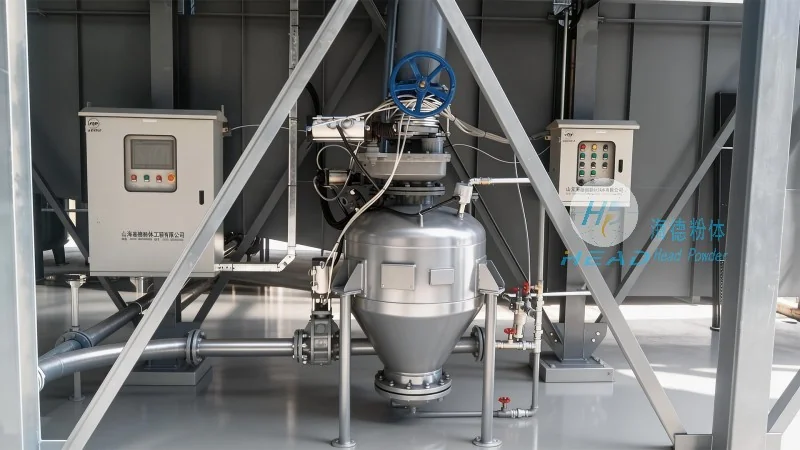
Technical Considerations for Efficient Material Handling
Several technical considerations are critical for ensuring the reliability and efficiency of cement auxiliary powder material handling systems. Material properties, including particle size distribution, moisture content, and abrasiveness, directly impact system selection and maintenance. For instance, highly abrasive materials may require specialized equipment, such as wear-resistant pipelines and components, to extend service life. Additionally, system integration with existing infrastructure, such as storage silos and processing lines, is essential for seamless operation. Proper sealing and dust control measures are also vital to prevent environmental contamination and ensure workplace safety. By addressing these technical aspects, operators can optimize system performance and minimize downtime, leading to improved overall productivity.
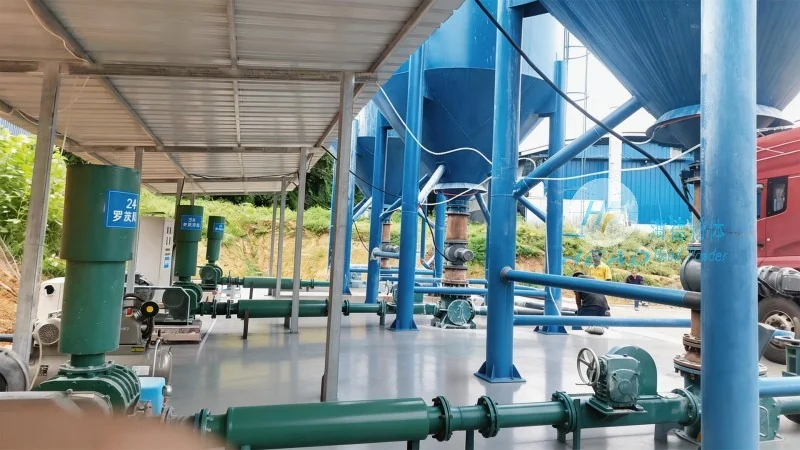
Case Studies and Practical Applications
Real-world applications of cement auxiliary powder material handling systems highlight their effectiveness in diverse industrial environments. For example, a major cement manufacturer in Shandong, China, implemented a pneumatic conveying system to transport fly ash from a nearby power plant to its production facility. The system successfully handled large volumes of fine particles over a distance of several kilometers, reducing material handling costs and improving production efficiency. Another application involves the use of screw conveyors in a construction material processing plant, where they were used to transport slag from storage bins to a mixing unit. These systems demonstrated consistent performance in handling abrasive materials, with minimal maintenance requirements. These case studies illustrate the adaptability and reliability of cement auxiliary powder material handling systems in meeting the specific needs of different industrial scenarios.
Conclusion and Future Trends
In conclusion, the principles and working scene characteristics of cement auxiliary powder material handling play a vital role in optimizing industrial processes. By understanding the core mechanisms and technical considerations, professionals can select and implement effective systems tailored to their specific needs. As technology advances, future trends may include the integration of automation and IoT sensors to enhance system monitoring and control. However, the fundamental principles of efficient material transport will remain consistent, ensuring that cement auxiliary powder handling systems continue to play a critical role in the cement and related industries. The expertise of companies like Shandong HeadPowder Engineering Co., Ltd., based in Shandong, China, in designing and implementing such systems underscores the importance of specialized knowledge in achieving optimal material handling solutions.