

Principle and Working Scene Characteristics of Silica Powder Pneumatic Conveying System Equipment
Headpowder, a leading enterprise in the field of pneumatic conveying technology, specializes in the design, manufacturing, and application of advanced equipment for handling fine powders such as silica powder. This article delves into the fundamental principles of silica powder pneumatic conveying systems and highlights the key characteristics of their operational scenarios, providing a comprehensive overview for industry professionals seeking to understand and implement efficient powder transport solutions.
Company Overview and Expertise
Headpowder, operating under the full name Shandong HeadPowder Engineering Co., Ltd., is headquartered in Shandong, China. With years of experience in the engineering and manufacturing of pneumatic conveying systems, the company has established itself as a trusted provider of high-quality equipment tailored to the specific needs of the powder handling industry. Our expertise lies in developing customized solutions that ensure reliable, efficient, and safe transport of fine powders like silica, which are widely used in various industrial applications.
The Principle of Silica Powder Pneumatic Conveying
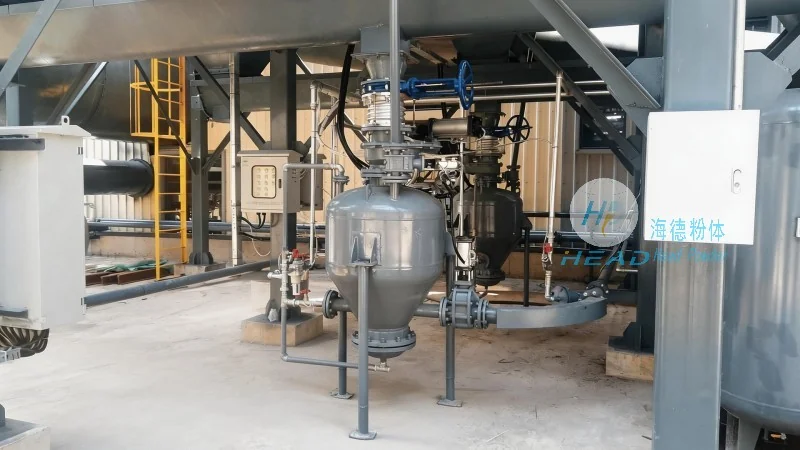
The core principle of a silica powder pneumatic conveying system is the use of compressed air or other gas to transport the powder particles through a pipeline. This method, known as pneumatic conveying, relies on the generation of a pressure differential to move the material. In the case of silica powder, which is typically fine and can be prone to dusting or caking, the system is designed to maintain optimal air-powder ratios and flow conditions to prevent blockages and ensure consistent performance. The system generally consists of a hopper for material storage, a feeder to control the powder flow, a conveying line, and a receiver for the discharged material. The compressed air is introduced at one end of the pipeline, creating a low-pressure zone that draws the silica powder into the flow, allowing it to be transported to the destination. This process is efficient for long-distance and high-volume transport of fine powders, minimizing the need for mechanical components that could cause wear or contamination.
Key Working Scene Characteristics
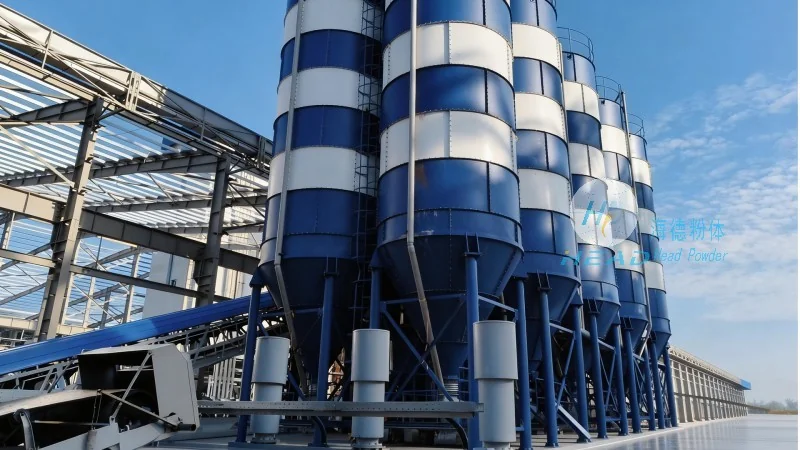
The operational characteristics of silica powder pneumatic conveying systems are tailored to the specific demands of industrial environments where such powders are processed. One of the primary characteristics is the ability to handle fine, abrasive powders without significant wear on the system components. Silica powder, being a hard and abrasive material, requires equipment with robust construction, such as stainless steel or specialized alloys, to withstand the mechanical stress during transport. Additionally, the system must be designed to prevent dust emissions and maintain a clean working environment, which is crucial in industries like pharmaceuticals, food processing, and electronics manufacturing where contamination control is paramount.
Another important characteristic is the flexibility in system configuration. Pneumatic conveying systems can be adapted for both positive and negative pressure operation, depending on the application requirements. Positive pressure systems, where air is forced through the pipeline, are commonly used for long-distance transport and when the material needs to be conveyed over obstacles or to elevated locations. Negative pressure systems, on the other hand, are often preferred for applications where dust control is critical, as they draw the material into the system while keeping the environment sealed. The choice of system type influences the overall efficiency, energy consumption, and maintenance needs, making it essential to select the appropriate configuration based on the specific working conditions.
Applications and Operational Efficiency
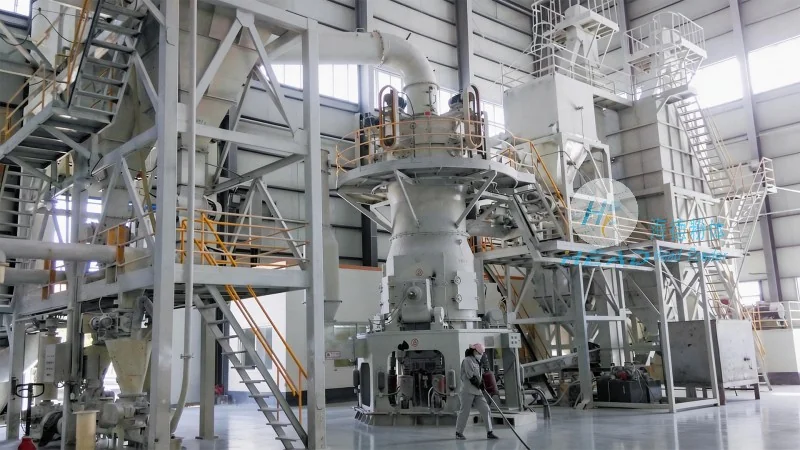
Silica powder pneumatic conveying systems are widely used in various industrial sectors, including construction materials, chemical manufacturing, and food processing. In the construction industry, silica powder is often used as a raw material for concrete and mortar, and the system ensures efficient transport from storage silos to mixing plants. In chemical manufacturing, the system facilitates the handling of fine powders during production processes, reducing the risk of material loss and improving process consistency. The operational efficiency of these systems is enhanced by features such as variable speed feeders, which allow precise control over the powder flow rate, and pressure sensors that monitor system performance and alert operators to any potential issues.
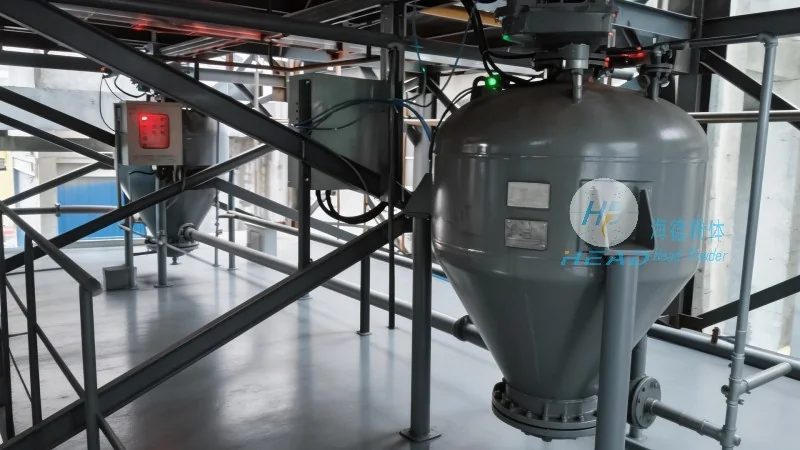
Furthermore, the system's ability to handle large volumes of material in a continuous manner contributes to improved productivity and reduced labor costs. Unlike mechanical conveying methods, which may require frequent maintenance and replacement of components, pneumatic systems offer lower maintenance requirements due to the absence of moving parts in the main conveying line. However, the feeder and air compressor components still require regular maintenance to ensure optimal performance. The energy efficiency of the system is also a key consideration, as the use of compressed air can be a significant operational cost. Modern systems incorporate energy-saving features, such as variable frequency drives for the air compressor, to minimize energy consumption while maintaining the required conveying capacity.
Conclusion and Industry Impact
Headpowder's silica powder pneumatic conveying systems exemplify the advanced engineering and practical application of pneumatic transport technology. By understanding the fundamental principles and operational characteristics of these systems, industry professionals can make informed decisions about implementing efficient and reliable powder handling solutions. The robust design, flexibility in configuration, and ability to handle fine, abrasive materials make these systems indispensable in modern industrial operations. As the demand for efficient and safe powder transport continues to grow, the expertise and solutions provided by companies like Shandong HeadPowder Engineering Co., Ltd. play a crucial role in meeting the evolving needs of the industry.