

Principles and Working Scene Characteristics of Fine Chemicals Pneumatic Conveying System Equipment
For companies operating in the fine chemicals sector, the efficient and reliable handling of powders and granules is a critical operational requirement. Pneumatic conveying systems have emerged as a key solution, offering a range of benefits that enhance process safety, improve material quality, and optimize production workflows. This article explores the fundamental principles of pneumatic conveying technology and highlights the specific characteristics of working scenes where such systems are commonly applied, with a focus on the expertise and solutions provided by Shandong HeadPowder Engineering Co., Ltd.
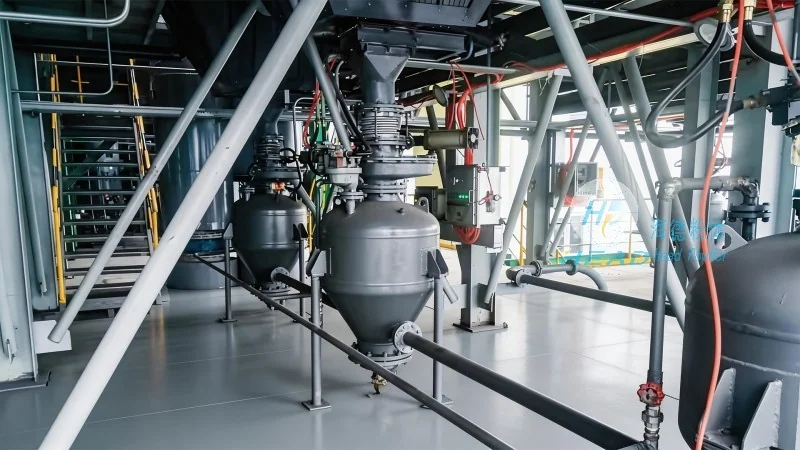
Introduction to Fine Chemicals Pneumatic Conveying Systems
Pneumatic conveying systems are mechanical devices that use compressed air or other gases to transport bulk materials, such as powders, granules, and small particles, from one location to another. In the context of fine chemicals, these systems are designed to handle materials with high purity requirements, ensuring that the material remains uncontaminated and that the conveying process does not introduce moisture or other impurities. The systems are typically composed of several key components, including a material feed hopper, a conveying line (often equipped with valves and bends), a dust collector or filter system, and a discharge outlet. The choice of system type—such as dilute-phase, dense-phase, or pressure/venturi systems—depends on the specific characteristics of the material being conveyed, including particle size, density, and moisture content.
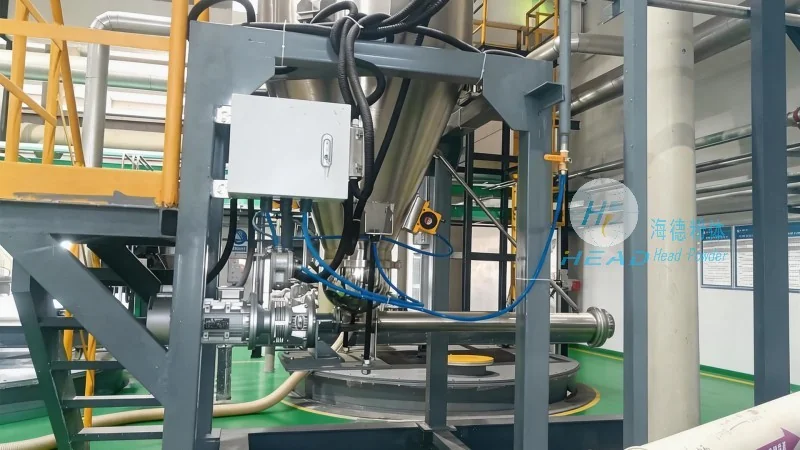
The Core Principles of Pneumatic Conveying Technology
The fundamental principle of pneumatic conveying is the creation of a flow of air or gas that entrains the material particles and transports them through the conveying line. In dilute-phase systems, the material is suspended in the air stream and moves at relatively high velocities, typically 20-30 meters per second. This method is suitable for materials with low to medium density and is often used for long-distance conveying. Dense-phase systems, on the other hand, operate at lower air velocities and higher material concentrations, where the particles are more closely packed and move in a more controlled manner. This approach is ideal for sensitive materials that require gentle handling to prevent degradation or agglomeration. The pressure or venturi method involves using high-pressure air to create a vacuum or pressure differential that draws the material into the conveying line, making it suitable for applications where the material needs to be transported from a lower to a higher elevation or over longer distances.
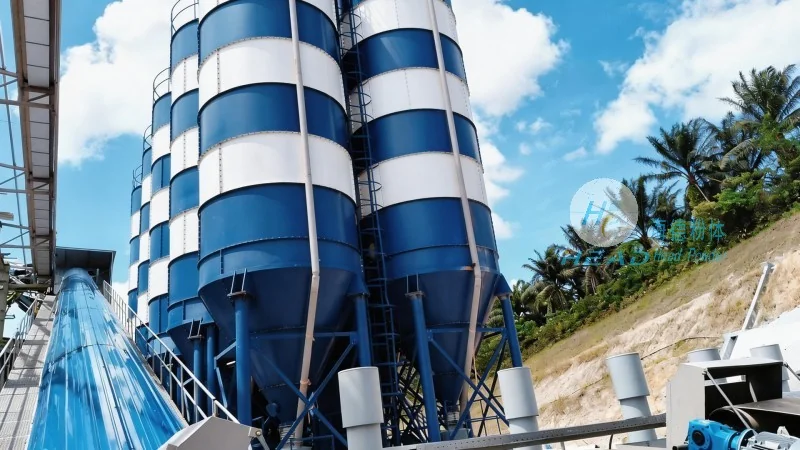
Working Scene Characteristics of Pneumatic Conveying Systems in Fine Chemical Industry
The working scenes where pneumatic conveying systems are most commonly applied in the fine chemicals industry are characterized by several key factors. First, the need for high-purity processing environments, where any contamination from the conveying system itself must be minimized. This often requires the use of stainless steel or other corrosion-resistant materials for the conveying components, as well as advanced filtration systems to capture any fine particles that may escape. Second, the systems must be designed to handle materials with varying particle sizes and shapes, from fine powders to coarse granules, without causing blockages or damage to the equipment. This necessitates the use of specialized feed mechanisms, such as rotary valves or screw feeders, that can control the flow of material into the conveying line. Third, the working environment may involve strict safety regulations due to the nature of the materials being handled, which can be hazardous or explosive. Pneumatic conveying systems are often preferred over mechanical conveying methods because they eliminate the need for moving parts in the material path, reducing the risk of dust explosions and mechanical failures.
Application Examples and Practical Scenarios
Practical applications of pneumatic conveying systems in the fine chemicals industry include the transportation of pharmaceutical powders, food additives, and specialty chemicals. For example, in a pharmaceutical manufacturing facility, a pneumatic conveying system may be used to move active pharmaceutical ingredients (APIs) from a storage silo to a mixing or packaging unit, ensuring that the material is handled in a sterile and contamination-free manner. In a food processing plant, the system can transport powdered ingredients, such as sugar or flavorings, from a storage area to a mixing tank, maintaining the product's quality and preventing cross-contamination. Another common scenario is the handling of specialty chemicals, such as pigments or catalysts, where the material's sensitivity to moisture or air exposure requires a closed-loop conveying system with integrated dust collection and filtration. These applications demonstrate the versatility and effectiveness of pneumatic conveying systems in meeting the stringent requirements of the fine chemicals sector.
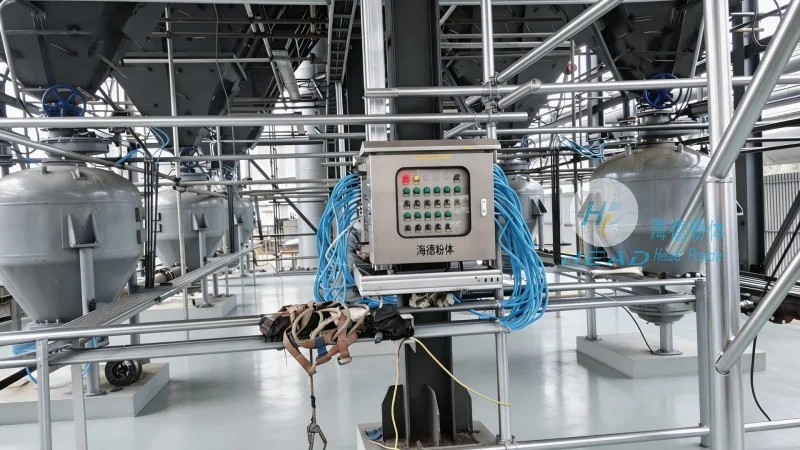
Company Profile: Shandong HeadPowder Engineering Co., Ltd.
Shandong HeadPowder Engineering Co., Ltd., commonly known as HeadPowder, is a leading provider of pneumatic conveying solutions tailored to the needs of the fine chemicals industry. With its headquarters located in Shandong, China, the company specializes in designing, manufacturing, and installing customized pneumatic conveying systems that meet the highest standards of efficiency, reliability, and safety. HeadPowder's expertise lies in understanding the unique challenges of fine chemicals processing, such as material purity, handling sensitivity, and process integration, and translating these challenges into effective technical solutions. The company's team of engineers and technicians work closely with clients to assess their specific operational requirements and develop tailored systems that optimize material flow, reduce downtime, and enhance overall productivity. By leveraging advanced engineering principles and state-of-the-art manufacturing techniques, HeadPowder ensures that its pneumatic conveying systems are not only efficient but also durable and easy to maintain, providing long-term value to its clients in the fine chemicals sector.