High-alumina fly ash, a byproduct of cement production, is widely used in various industrial applications due to its chemical properties and reactivity. The efficient handling and transportation of this material are critical for optimizing production processes and ensuring consistent quality. Pneumatic conveying systems have emerged as a reliable solution for transporting high-alumina fly ash, offering advantages such as dust-free operation, low maintenance, and flexibility in layout. This article explores the principle and working scene characteristics of high-alumina fly ash pneumatic conveying system equipment, highlighting its technical aspects and practical applications.
Introduction to High-Alumina Fly Ash and Pneumatic Conveying
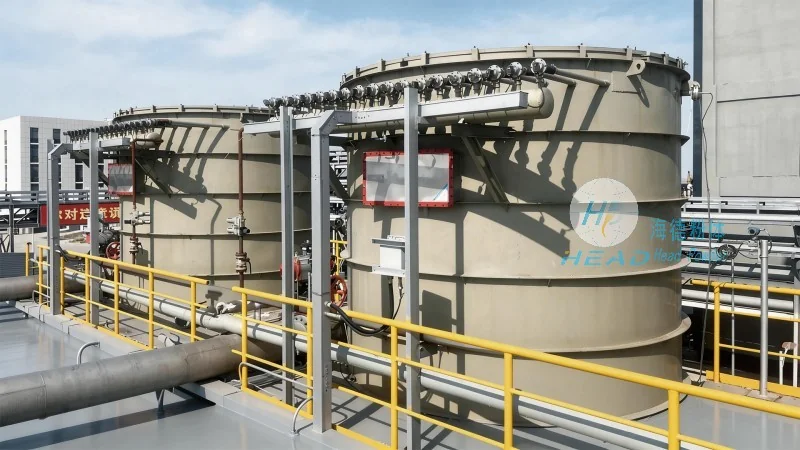
High-alumina fly ash, also known as aluminous fly ash, is a fine powder generated during the combustion of coal in cement kilns. It contains a significant amount of aluminum oxide (Al₂O₃) and other oxides, making it valuable for applications like refractory materials, concrete additives, and chemical synthesis. Traditional methods of transporting fly ash, such as belt conveyors or bucket elevators, often face challenges like dust generation, material degradation, and operational inefficiencies. Pneumatic conveying systems address these issues by using air to transport the material in a sealed environment, ensuring a clean and efficient process.
Company Overview: Shandong HeadPowder Engineering Co., Ltd.
Shandong HeadPowder Engineering Co., Ltd., commonly known as HeadPowder, is a leading manufacturer and supplier of pneumatic conveying equipment in China. With a strong focus on innovation and quality, the company specializes in designing and producing customized solutions for various bulk material handling applications. HeadPowder's expertise lies in understanding the unique characteristics of different materials, including high-alumina fly ash, and developing tailored pneumatic conveying systems that meet the specific needs of clients. The company's facilities are located in Shandong, China, where it leverages local resources and industry expertise to deliver high-performance equipment.
Principle of Pneumatic Conveying Systems
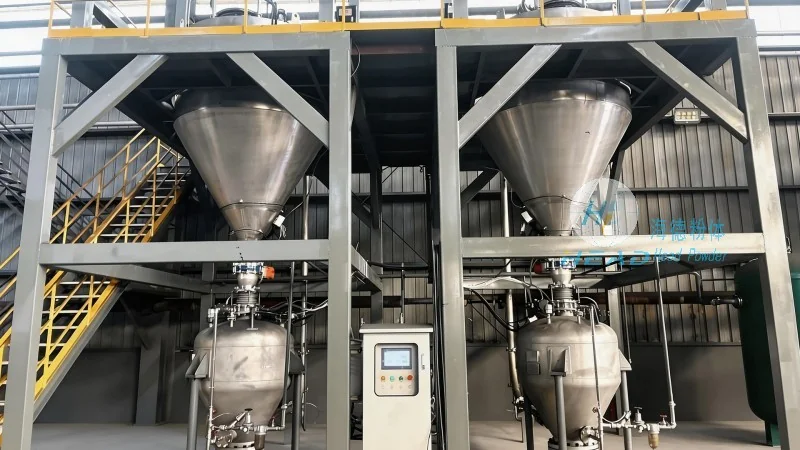
The core principle of pneumatic conveying systems is the use of compressed air to move bulk materials through a pipeline. In the case of high-alumina fly ash, the system typically operates under positive pressure, where air is forced through the material to create a fluidized state. This fluidization allows the fly ash particles to be suspended and transported along the pipeline. The system consists of several key components, including a hopper for material storage, a feeder to control the flow rate, a compressor to generate the necessary air pressure, and a pipeline network for material transport. The design of these components is critical to ensure efficient and reliable operation, especially when handling fine and abrasive materials like high-alumina fly ash.
Working Scene Characteristics of High-Alumina Fly Ash Pneumatic Conveying
The working scene characteristics of high-alumina fly ash pneumatic conveying systems are influenced by several factors, including the material's properties, system design, and operational conditions. High-alumina fly ash is known for its high density and abrasive nature, which can affect the wear and tear of system components. Therefore, the design of the conveying system must consider the material's characteristics to minimize wear and extend the equipment's lifespan. The system's layout is also an important factor, as it needs to accommodate the flow of material from the source to the destination while maintaining the required air pressure and flow rate. In industrial settings, these systems are often integrated with other production processes, such as cement production or chemical processing, to ensure seamless material handling. The working scene typically involves continuous operation, with the system running around the clock to meet production demands. This requires robust and reliable equipment that can handle the continuous flow of high-alumina fly ash without interruptions.
Advantages of High-Alumina Fly Ash Pneumatic Conveying Systems
Compared to traditional conveying methods, high-alumina fly ash pneumatic conveying systems offer several advantages that make them a preferred choice for industrial applications. One of the key benefits is the dust-free operation, which reduces the risk of respiratory issues for workers and minimizes environmental contamination. The sealed system also prevents material loss and ensures that the fly ash remains in a controlled environment, maintaining its quality. Another advantage is the low maintenance requirements, as the system has fewer moving parts compared to mechanical conveyors. This reduces downtime and operational costs. Additionally, the flexibility of pneumatic conveying systems allows for easy integration with existing production lines and the ability to transport materials over long distances without the need for multiple transfer points. These advantages make high-alumina fly ash pneumatic conveying systems an efficient and cost-effective solution for bulk material handling.
Application Examples and Case Studies
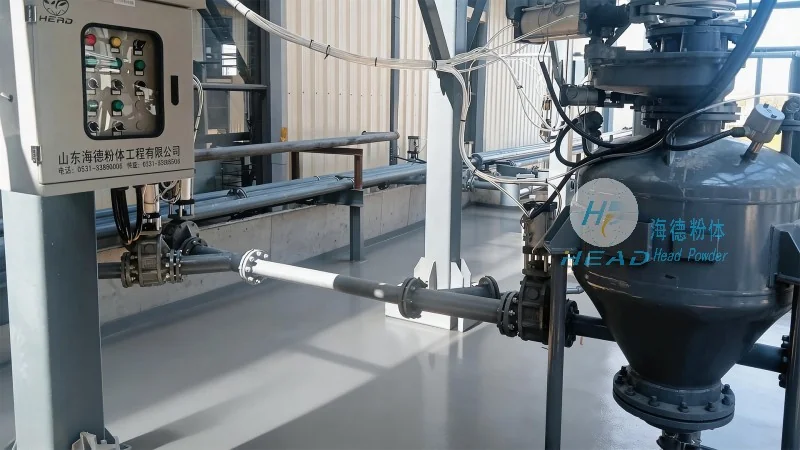
High-alumina fly ash pneumatic conveying systems are widely used in various industrial sectors, including cement manufacturing, refractory production, and chemical processing. In cement plants, for example, the system is used to transport fly ash from storage silos to the cement grinding mills, where it is mixed with clinker to produce blended cement. The system's ability to handle fine materials and maintain consistent flow rates ensures that the cement production process runs smoothly. In refractory production, high-alumina fly ash is used as a raw material for making refractory bricks and castables. The pneumatic conveying system allows for the efficient transport of this material from the storage area to the mixing and molding equipment. Case studies have shown that implementing such systems can improve production efficiency by up to 20% and reduce material handling costs by 15% compared to traditional methods. These results highlight the effectiveness of high-alumina fly ash pneumatic conveying systems in enhancing operational performance and reducing costs.
Conclusion
High-alumina fly ash pneumatic conveying system equipment is a critical component in the efficient handling and transportation of this valuable material. The principle of using compressed air to fluidize and transport the material, combined with the working scene characteristics that address the material's properties and operational needs, makes this system an ideal solution for industrial applications. Shandong HeadPowder Engineering Co., Ltd. has demonstrated expertise in designing and manufacturing such systems, providing customized solutions that meet the specific requirements of clients. As the demand for high-alumina fly ash continues to grow, the importance of efficient pneumatic conveying systems will only increase, making them a vital part of modern industrial operations.




