A cement dust pneumatic conveying line is a sophisticated system engineered to transport fine cement particles through an enclosed pipeline using compressed air or other gas as the driving force. This technology has become an essential component in the cement and related industries, offering a reliable and efficient method to move bulk materials from one location to another without the need for traditional mechanical conveying equipment. The system's design is critical to its performance, as it must handle the unique properties of cement dust—such as its fine particle size, high moisture content, and potential for caking—to ensure smooth and continuous operation.
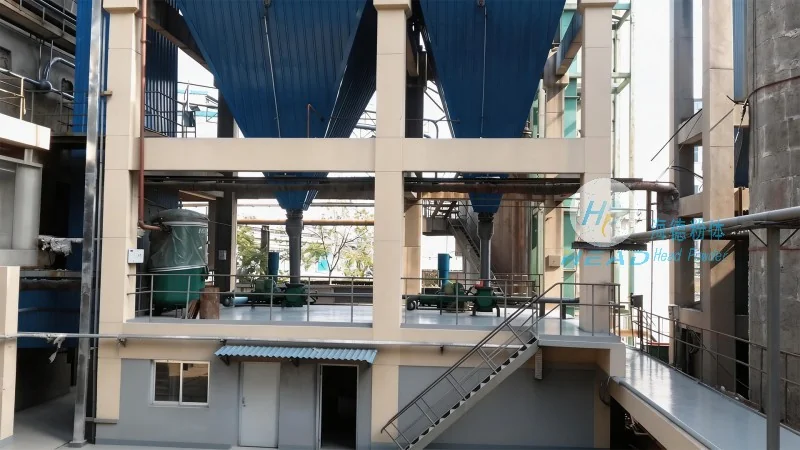
About Shandong HeadPowder Engineering Co., Ltd.
HeadPowder, a leading provider in the field, specializes in the design, manufacturing, and installation of pneumatic conveying systems tailored for cement and other powders. With a strong presence in Shandong, China, the company has built a reputation for delivering high-quality solutions that meet the demanding requirements of modern industrial applications. Their expertise lies in understanding the material characteristics and operational needs of clients, enabling them to develop customized systems that enhance productivity and reduce downtime.
Design Principles of Cement Dust Pneumatic Conveying Lines
The core design principles of a cement dust pneumatic conveying line revolve around the balance of air flow, pressure, and material properties. The system typically consists of a hopper, a feeder, a pipeline network, and a receiver. The hopper stores the cement, while the feeder controls the flow rate of the material into the pipeline. Compressed air is introduced at specific points along the pipeline, creating a flow that lifts and transports the cement particles. The design must consider factors such as the particle size distribution, moisture content, and bulk density of the cement to optimize the air-to-material ratio. This ratio is crucial for preventing blockages and ensuring efficient transport. Additionally, the pipeline layout, including the use of bends, elbows, and expansion joints, is carefully planned to minimize pressure losses and maintain consistent flow velocity.
Key Components and Their Functions
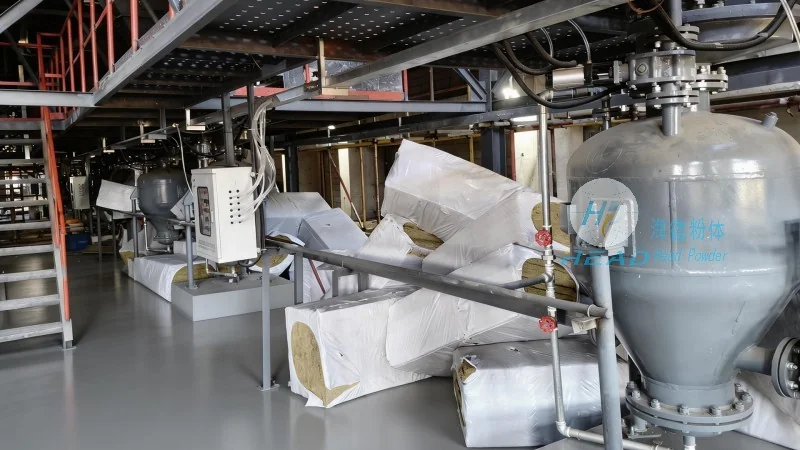
Several key components make up a cement dust pneumatic conveying line, each playing a vital role in the overall operation. The hopper serves as the storage vessel, providing a controlled environment to hold the cement before it is fed into the system. The feeder, often a rotary valve or a screw feeder, regulates the material flow, ensuring a steady supply to the pipeline. The pipeline itself is constructed from materials resistant to cement dust, such as stainless steel or coated steel, to prevent corrosion and material buildup. The compressed air system, including the compressor and air treatment equipment, generates the necessary pressure to move the material. The receiver, typically a hopper or a silo, collects the transported cement at the destination. Each component must be selected and sized appropriately to handle the specific characteristics of the cement being conveyed, ensuring the system operates reliably and efficiently.
Advantages of Using Pneumatic Conveying for Cement
Compared to traditional mechanical conveying methods, pneumatic conveying offers several advantages for cement transport. First, it eliminates the need for moving parts in the pipeline, reducing maintenance requirements and extending the system's lifespan. Second, it provides a closed system, which helps prevent dust emissions and contamination, improving workplace safety and environmental compliance. Third, the system can handle a wide range of material properties, including fine powders and those with high moisture content, without the risk of clogging or degradation. Fourth, pneumatic conveying allows for flexible pipeline layouts, enabling the system to be adapted to various plant layouts and operational needs. These advantages make pneumatic conveying an ideal solution for modern cement production and processing facilities.
Application Scenarios in Cement Industry
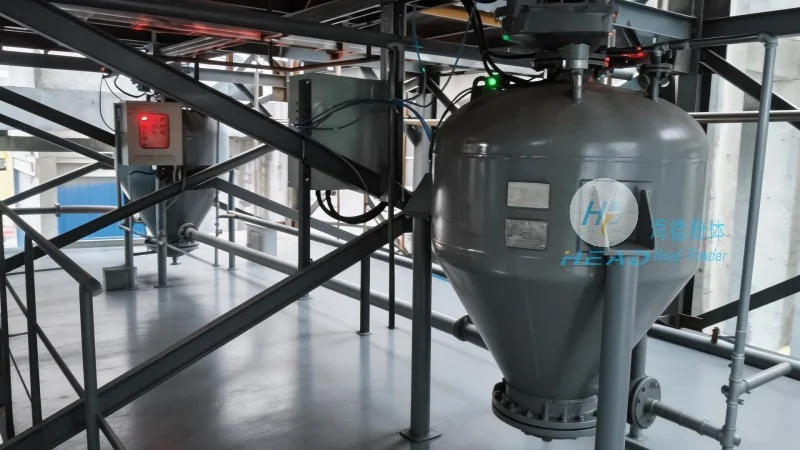
Cement dust pneumatic conveying lines are widely used in various stages of cement production and processing. In the raw material handling stage, they transport limestone, clay, and other raw materials from storage to the grinding mills. In the finished product stage, they move the finished cement from the storage silos to packaging or shipping areas. Additionally, they are used in the blending and mixing processes, where different cement types or additives are combined to produce specialized cement products. The versatility of the system allows it to be integrated into existing plant infrastructure, enhancing overall operational efficiency and reducing the need for additional equipment.
Customization and System Optimization
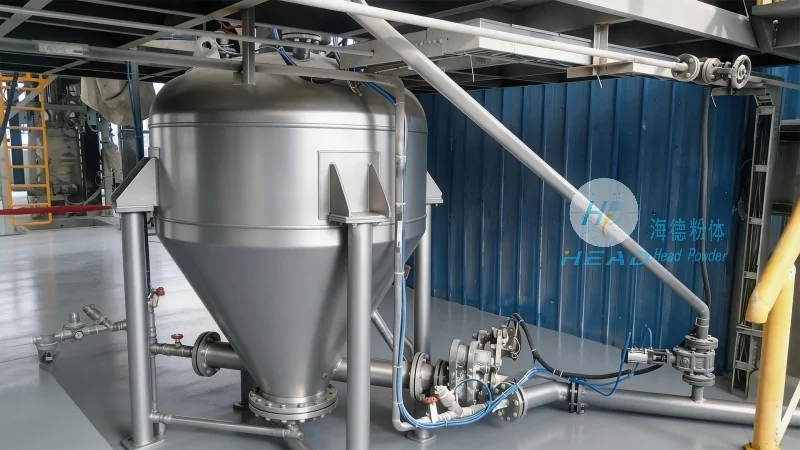
HeadPowder recognizes that each cement plant has unique operational requirements, and therefore, they offer customized pneumatic conveying solutions. The company works closely with clients to analyze their specific material characteristics, production volumes, and site constraints to design a system that meets their exact needs. This includes selecting the appropriate air flow rates, pressure levels, and pipeline diameters, as well as incorporating features such as pulse jets or vibration systems to prevent blockages. Regular maintenance and performance monitoring are also part of the service, ensuring the system operates at peak efficiency and minimizing the risk of downtime. By focusing on customization and optimization, HeadPowder ensures that their clients achieve the best possible results from their pneumatic conveying systems.
Conclusion
Cement dust pneumatic conveying lines are a critical technology in the cement industry, offering efficient and reliable transport of fine materials. The design principles, components, and advantages of these systems make them a preferred choice for modern cement plants. With expertise and experience in the field, companies like Shandong HeadPowder Engineering Co., Ltd. play a vital role in providing high-quality solutions that enhance productivity and operational efficiency. As the cement industry continues to evolve, the importance of well-designed pneumatic conveying systems will only grow, making them an essential investment for any facility looking to improve its material handling capabilities.




