

[WTTLE]Working Principle and Features of Glass Slag Pneumatic Conveying Equipment
Glass slag, a byproduct of glass manufacturing processes, requires efficient and reliable handling solutions to ensure safe and effective material transport. Pneumatic conveying systems, particularly those designed for glass slag, offer a robust method to move this abrasive and lightweight material. This article explores the working principle and key features of glass slag pneumatic conveying equipment, highlighting its benefits and technical specifications.
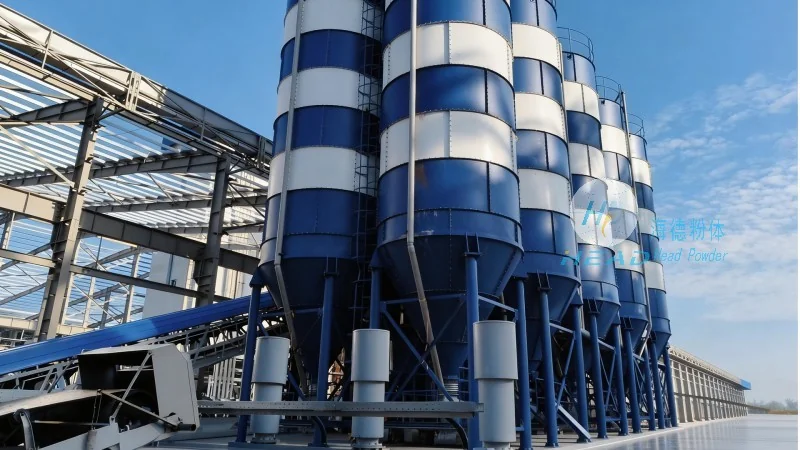
Working Principle of Glass Slag Pneumatic Conveying Systems
The core mechanism of glass slag pneumatic conveying involves the use of compressed air to transport material through a pipeline. The system typically consists of a hopper, a rotary valve, a conveying line, and a receiver. As glass slag is fed into the hopper, a rotary valve controls the flow of material into the conveying line. Compressed air is then introduced, creating a flow that propels the glass slag particles through the pipeline. The velocity and pressure of the air are carefully managed to ensure efficient transport without causing excessive wear on the system components. The receiver collects the conveyed glass slag, completing the process.
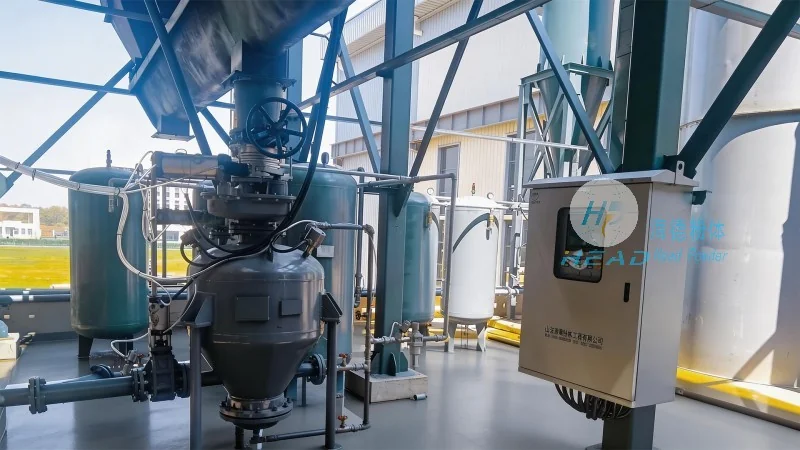
Key Features of Glass Slag Pneumatic Conveying Equipment
Glass slag pneumatic conveying equipment is engineered with several distinct features that enhance its performance and durability. One of the primary features is the use of high-quality materials, such as stainless steel or special alloys, to withstand the abrasive nature of glass slag. This prevents wear and tear, extending the equipment's service life. Another key feature is the integration of advanced control systems that monitor air pressure, flow rate, and material level, ensuring optimal operation. The equipment also includes features like dust collection and filtration systems to maintain air quality and comply with environmental regulations. Additionally, the design allows for easy maintenance and cleaning, reducing downtime and operational costs.
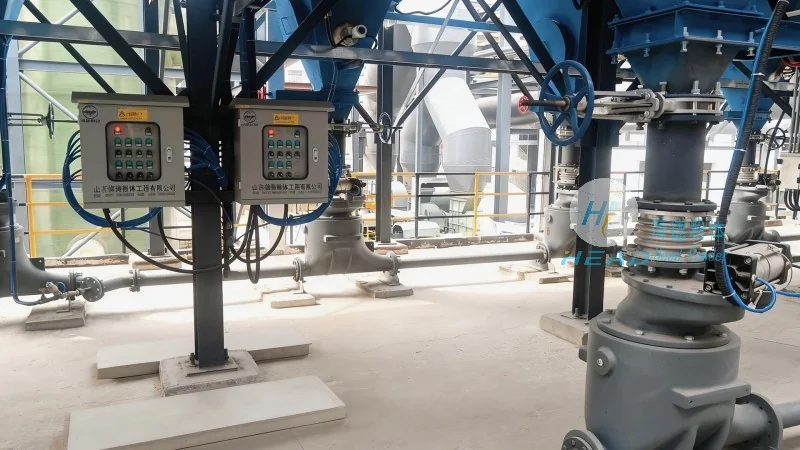
Technical Advantages and Applications
The use of glass slag pneumatic conveying equipment offers several technical advantages. It provides a dust-free and enclosed transport solution, improving workplace safety and reducing environmental impact. The system is also highly flexible, allowing for changes in material flow rates and pipeline configurations. This adaptability makes it suitable for various industrial applications, including glass manufacturing plants, recycling facilities, and waste management operations. The equipment's ability to handle abrasive materials efficiently minimizes the need for additional processing steps, enhancing overall operational efficiency. Furthermore, the enclosed system reduces the risk of material contamination, which is crucial in industries where material purity is essential.
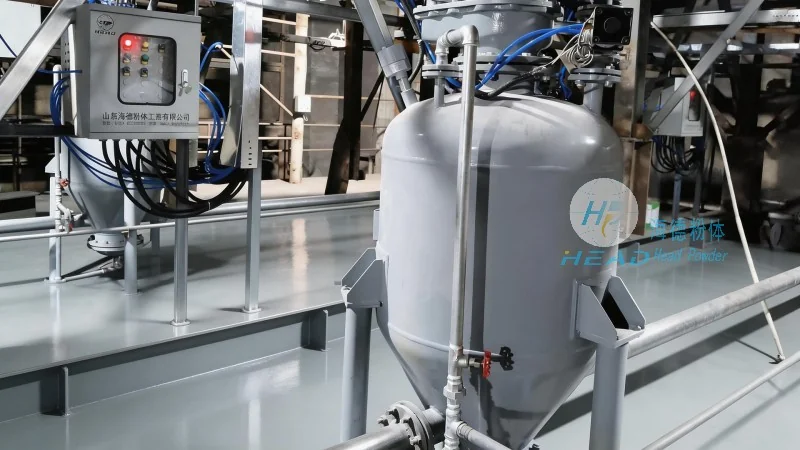
Company Information and Contact Details
For those seeking reliable glass slag pneumatic conveying solutions, Shandong HeadPowder Engineering Co., Ltd. (headpowder) is a leading manufacturer in China. With a focus on engineering excellence and customer satisfaction, the company provides high-quality equipment tailored to specific industrial needs. HeadPowder's products are designed to meet international standards and are backed by comprehensive technical support and after-sales service. The company's headquarters is located in Shandong, China, and it serves clients globally with customized solutions for material handling challenges. By choosing HeadPowder, businesses can benefit from advanced technology and expert guidance to optimize their material transport processes.