

What is a Lithium-Ion Battery Nanomaterial Material Pneumatic Conveying System? And What Are Its Des
HeadPowder, a leading provider in the field of material handling and processing, specializes in advanced solutions for the lithium-ion battery industry. This article focuses on the pneumatic conveying system designed specifically for handling nanomaterials used in lithium-ion battery production. The system is engineered to ensure efficient, safe, and reliable material transport, which is critical for maintaining high-quality battery manufacturing processes. HeadPowder, with its headquarters in Shandong, China, has extensive experience in developing customized material handling solutions tailored to the unique needs of the battery industry.
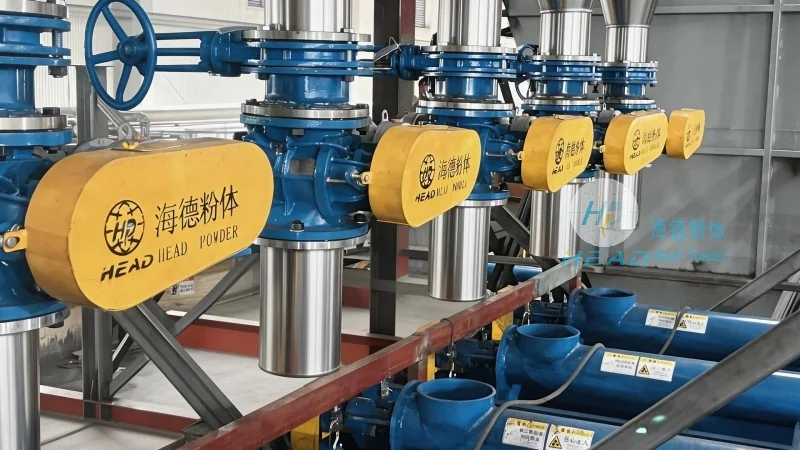
Introduction to Lithium-Ion Battery Nanomaterial Pneumatic Conveying Systems
In the lithium-ion battery manufacturing process, handling nanomaterials such as graphite, lithium cobalt oxide, and other powders requires specialized equipment to prevent material degradation and ensure consistent quality. The pneumatic conveying system is a key component that facilitates the transport of these fine powders from storage silos to processing equipment like mixers, extruders, and coating machines. This system uses compressed air or other gases to move materials through a network of pipes, eliminating the need for mechanical components that could cause contamination or material damage.
Key Components of the Pneumatic Conveying System
The pneumatic conveying system for lithium-ion battery nanomaterials typically consists of several core components. These include a material hopper or silo for storage, a feeder to control the flow rate of the material, a conveying line (usually made of stainless steel or other corrosion-resistant materials to handle the reactive nature of battery powders), a venturi or other type of air nozzle to create the necessary pressure differential, and a receiver or collection hopper at the destination. Additionally, the system may include filters to remove dust and moisture, and pressure regulators to maintain consistent air pressure throughout the process.
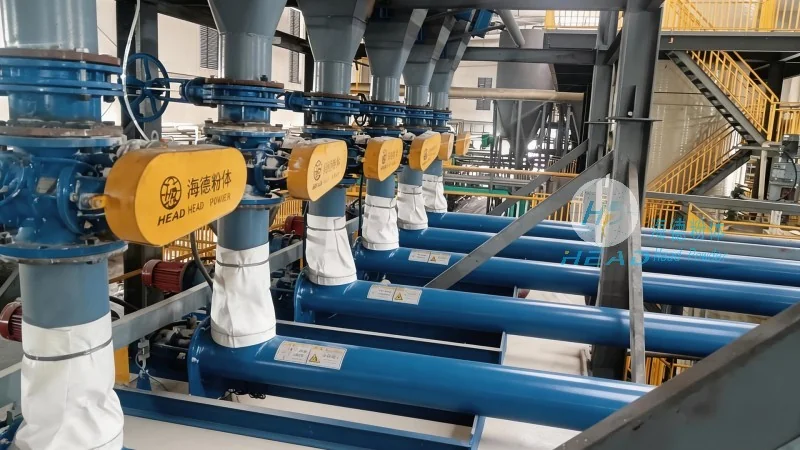
Design Principles for Efficient Nanomaterial Transport
The design of a pneumatic conveying system for nanomaterials in lithium-ion battery production must adhere to several key principles to ensure optimal performance. First, the system must minimize material degradation. This is achieved by using low-velocity conveying methods, such as dilute-phase or dense-phase systems, which reduce the impact of particles on each other and on the system components. Second, the system must prevent contamination. All components are made from materials that are compatible with the battery powders and are easy to clean and maintain. Third, the system must ensure consistent material flow rates. This is critical for maintaining uniform battery performance and preventing defects in the final product. The design also considers the need for scalability, allowing the system to be expanded as production capacity increases.
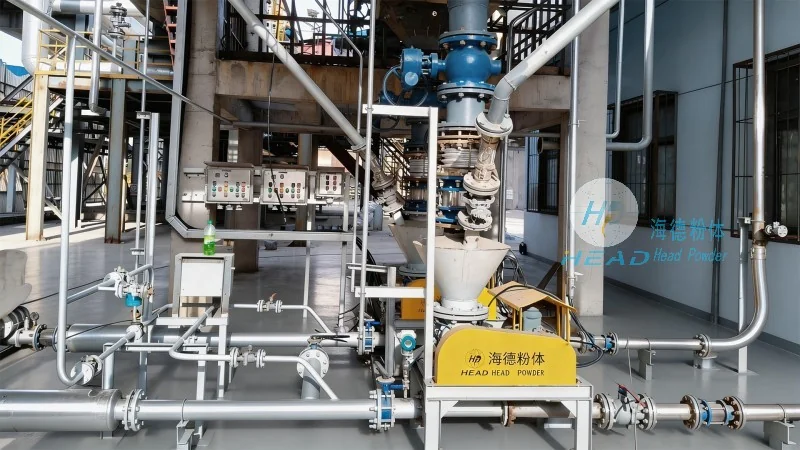
Advantages of Using a Pneumatic Conveying System for Lithium-Ion Battery Nanomaterials
Implementing a pneumatic conveying system for lithium-ion battery nanomaterials offers several advantages over traditional mechanical conveying methods. One of the primary benefits is the reduction in material handling time and labor costs. The system automates the transport process, allowing for continuous operation and minimizing downtime. Another advantage is the improved safety. Since there are no moving parts in contact with the material, the risk of dust explosions or material spillage is significantly reduced. Additionally, the system provides better control over material quality by preventing exposure to air and moisture, which can affect the chemical properties of the nanomaterials. This leads to more consistent battery performance and higher product yields.
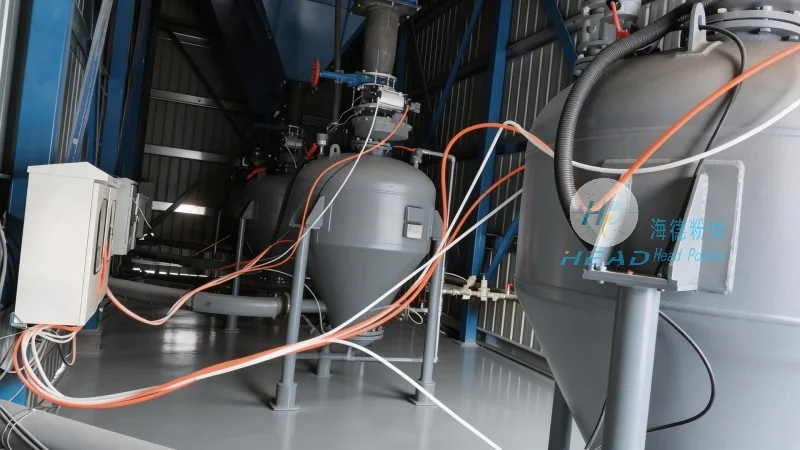
Application in Lithium-Ion Battery Manufacturing
The pneumatic conveying system is widely used in various stages of lithium-ion battery production. For example, in the electrode manufacturing process, the system transports graphite and other active materials to the mixing and coating equipment. In the cell assembly process, it may be used to deliver cathode or anode powders to the cell formation machines. The system's ability to handle fine powders with high precision makes it essential for achieving the uniform composition required for high-performance batteries. Furthermore, the system's flexibility allows it to be integrated into existing production lines, making it a cost-effective solution for manufacturers looking to upgrade their material handling capabilities.
Conclusion
HeadPowder's pneumatic conveying system for lithium-ion battery nanomaterials is a sophisticated solution designed to meet the demanding requirements of modern battery manufacturing. By adhering to principles of efficiency, safety, and quality control, the system ensures reliable material transport while maintaining the integrity of the nanomaterials. As the lithium-ion battery industry continues to grow, the importance of advanced material handling systems like this will only increase, making it a critical investment for manufacturers aiming to enhance their production processes and product quality.