

What is a Nanoparticle Calcium Carbonate Material Pneumatic Conveying System? What are the Design Pr
Shandong HeadPowder Engineering Co., Ltd., a leading provider of industrial material handling solutions, specializes in the design and implementation of advanced pneumatic conveying systems for nanoparticle calcium carbonate materials. These systems are critical in modern manufacturing processes, enabling efficient and reliable transport of fine powders like nano-CaCO₃ from storage to processing units. Understanding the core components and design principles of such systems is essential for optimizing performance and ensuring operational efficiency.
What is a Pneumatic Conveying System?
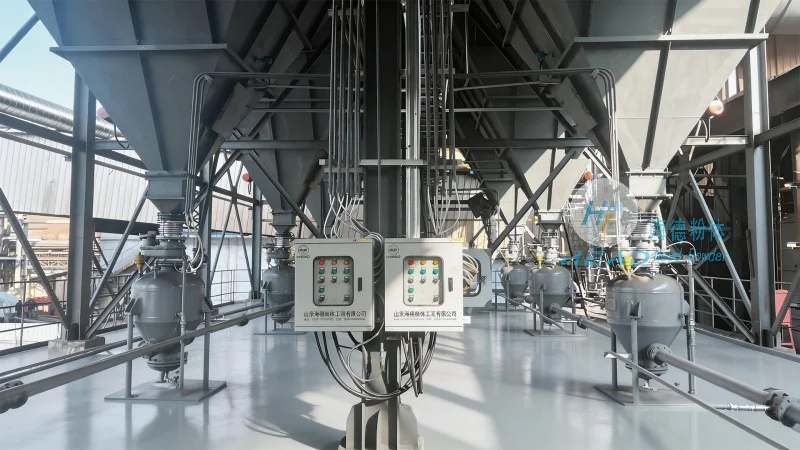
A pneumatic conveying system is a method of transporting bulk materials, including powders and granules, using a gas stream, typically air or a mixture of air and other gases. In the context of nanoparticle calcium carbonate (n-CaCO₃), these systems are engineered to handle the unique challenges posed by fine particles, such as high dust generation, low bulk density, and susceptibility to agglomeration. The system typically consists of a hopper for material storage, a conveyor line (either dilute-phase or dense-phase), and a receiver for the material's final destination. The primary function is to move the material through the system with minimal loss, low energy consumption, and high safety standards.
Key Components of the System
The effectiveness of a nanoparticle calcium carbonate pneumatic conveying system relies on several key components, each designed to address specific operational needs. The first component is the material hopper, which stores the n-CaCO₃ powder and provides a controlled feed to the system. This hopper often includes a rotary valve or a feeder to regulate the material flow, preventing overfilling and ensuring a steady supply. The second critical component is the air compressor or blower, which generates the necessary air pressure to move the material. The choice of compressor type (e.g., positive displacement or centrifugal) depends on the system's capacity and the material's properties. The third component is the conveyor line, which can be either dilute-phase or dense-phase. Dilute-phase systems use low air-to-material ratios, suitable for long-distance transport, while dense-phase systems use higher ratios, ideal for short distances and preventing material degradation. The final component is the receiver, where the material is deposited after being conveyed. This receiver may include a filter or a dust collection system to capture any airborne particles and maintain environmental compliance.
Design Principles for Efficient Operation
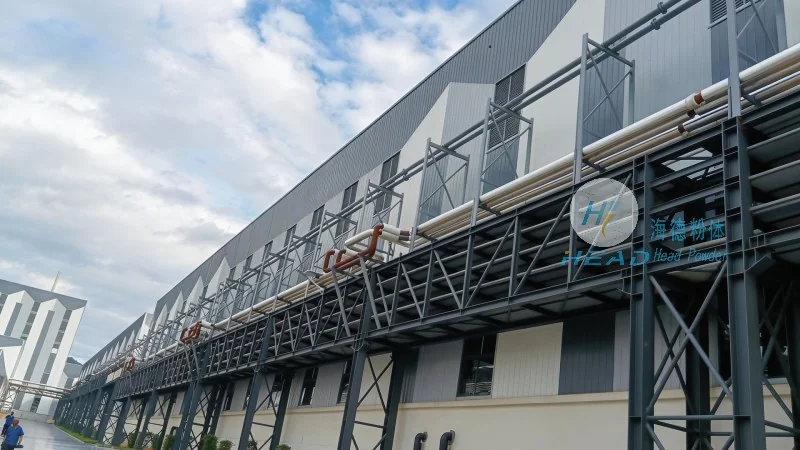
The design of a nanoparticle calcium carbonate pneumatic conveying system follows several fundamental principles to ensure optimal performance. The first principle is maintaining a consistent air-to-material ratio, which is crucial for controlling the velocity of the material and preventing blockages or material degradation. Engineers must calculate the appropriate air flow rate based on the material's bulk density, particle size, and moisture content. The second principle is ensuring adequate pressure and velocity within the system. The air velocity must be high enough to keep the material suspended but not so high as to cause excessive wear on the system components or generate excessive dust. The third principle is minimizing material degradation. This involves selecting materials for the system components (e.g., stainless steel or special coatings) that are resistant to abrasion and corrosion, and designing the system to avoid high-impact collisions or excessive friction. Additionally, the system's design must account for the material's flow properties, such as its angle of repose and cohesive forces, to prevent agglomeration and ensure smooth transport.
Advantages of Using Pneumatic Conveying for n-CaCO₃
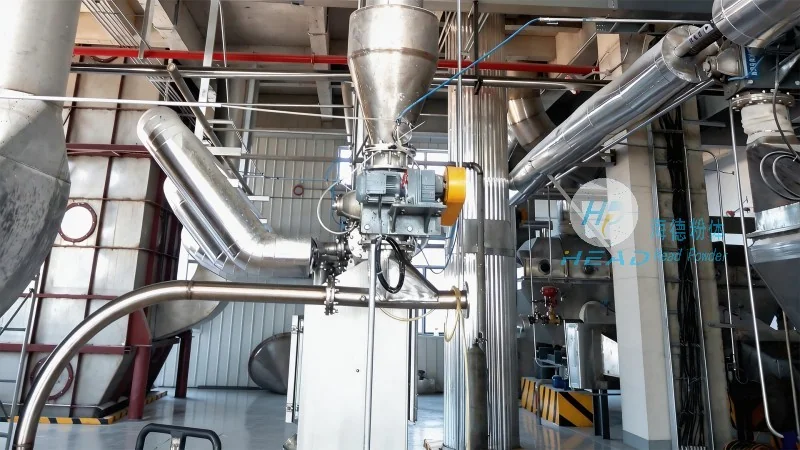
Implementing a pneumatic conveying system for nanoparticle calcium carbonate offers several advantages over traditional methods like belt conveyors or bucket elevators. First, it provides a dust-free and enclosed transport process, which is essential for maintaining product quality and ensuring workplace safety. The enclosed system prevents contamination from external sources and reduces the risk of dust explosions, which is a significant concern with fine powders. Second, pneumatic conveying systems are highly flexible and can be easily integrated into existing manufacturing lines. They can transport materials over long distances and around obstacles, making them suitable for complex production layouts. Third, these systems offer high efficiency and low energy consumption compared to other methods. The use of air as the conveying medium reduces the need for mechanical components like belts or chains, which can wear out and require frequent maintenance. Finally, pneumatic conveying systems can handle a wide range of material properties, including varying particle sizes and moisture levels, making them versatile for different applications in the calcium carbonate industry.
Conclusion and Company Expertise
Shandong HeadPowder Engineering Co., Ltd. leverages its expertise in material handling to design and install customized pneumatic conveying systems tailored to the specific needs of nanoparticle calcium carbonate manufacturers. By adhering to the fundamental design principles discussed above, the company ensures that its systems deliver reliable, efficient, and safe transport of fine powders. The integration of advanced engineering techniques and high-quality materials in their systems has made them a trusted solution for industries requiring precise and consistent material transport. With a focus on innovation and customer satisfaction, HeadPowder continues to provide cutting-edge solutions that enhance operational efficiency and product quality in the calcium carbonate sector.