

What is a Catalyst Powder Material Pneumatic Conveying System? What are the Design Principles?
Understanding the fundamentals of catalyst powder material pneumatic conveying systems is crucial for industries that rely on efficient and reliable transport of fine powders. These systems are engineered to handle the unique challenges associated with catalyst powders, ensuring optimal performance and minimal material loss during the conveying process. In this article, we explore the core components, operational principles, and design considerations that define such systems, with a focus on the expertise of Shandong HeadPowder Engineering Co., Ltd., a leading provider in the field.
About Shandong HeadPowder Engineering Co., Ltd.
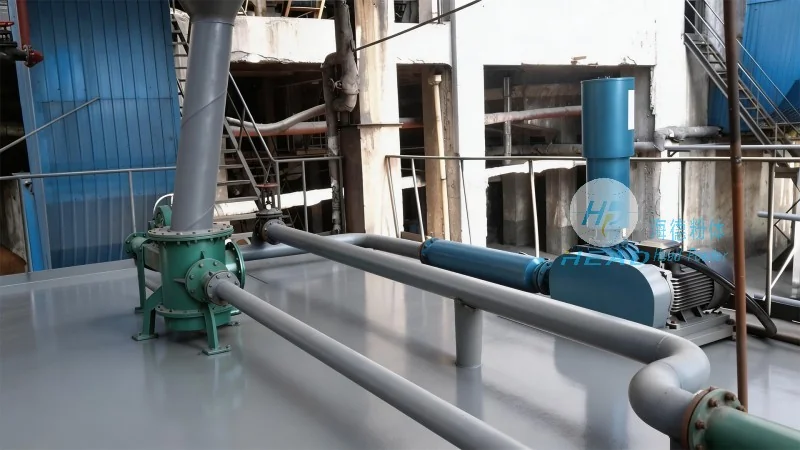
Shandong HeadPowder Engineering Co., Ltd., commonly known as headpowder, is a specialized engineering firm based in Shandong, China. With years of experience in the design, manufacturing, and implementation of pneumatic conveying systems, headpowder has established itself as a trusted partner for clients seeking solutions tailored to their specific catalyst powder handling needs. The company’s commitment to quality, innovation, and customer satisfaction drives its approach to developing systems that meet the highest industry standards.
Core Components and Design Principles of Pneumatic Conveying Systems
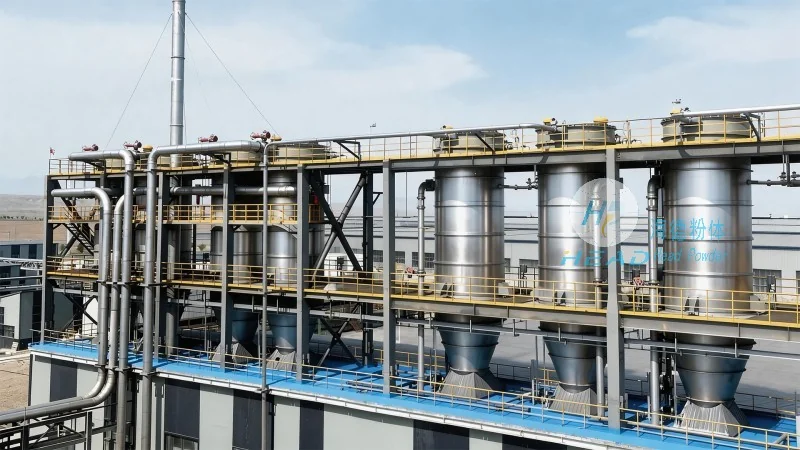
The design of a catalyst powder material pneumatic conveying system involves several key components, each playing a critical role in the overall functionality and efficiency of the system. The primary components include the material feed hopper, which stores and feeds the catalyst powder into the conveying line; the air supply system, responsible for generating the necessary pressure and airflow to move the powder; the conveying line itself, which can be either positive pressure or negative pressure depending on the application; and the receiving hopper or discharge equipment, where the material is deposited. The design principles focus on ensuring consistent flow rates, preventing material degradation or segregation, and maintaining system efficiency over time. For instance, the feed hopper is often equipped with a rotary valve or screw feeder to control the material flow rate, while the air supply system uses compressors or blowers to create the required pressure. The conveying line is typically made of stainless steel or other corrosion-resistant materials to handle the abrasive nature of catalyst powders. Proper selection of air velocities, which is critical to prevent particle segregation and ensure uniform flow, is determined based on the particle size, density, and moisture content of the catalyst powder. The system design also considers the length and layout of the pipeline, as well as the number of bends and fittings, to minimize pressure drop and maintain efficient transport.
Advantages of Using Pneumatic Conveying for Catalyst Powders
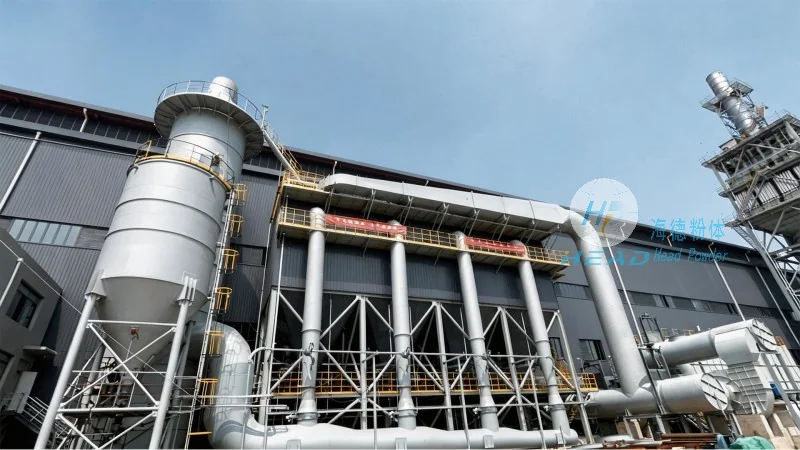
Compared to traditional mechanical conveying methods, pneumatic conveying systems offer several advantages when handling catalyst powders. These include the ability to transport materials over long distances without the need for multiple transfer points, reduced risk of material contamination due to enclosed systems, and improved safety by minimizing dust exposure. Additionally, pneumatic systems can handle a wide range of particle sizes and moisture contents, making them versatile for various catalyst applications. The design of the system, particularly the selection of appropriate air velocities and pipeline diameters, is critical to achieving these benefits and preventing issues such as clogging or material degradation. For example, in applications involving high-moisture catalyst powders, the system may incorporate drying or heating elements to prevent clumping and ensure smooth transport. The enclosed nature of pneumatic systems also helps maintain the purity of the catalyst, which is essential for maintaining its catalytic activity. This is particularly important in pharmaceutical and chemical industries where product quality is paramount.
Application Scenarios and Operational Considerations
Catalyst powder material pneumatic conveying systems are widely used in industries such as petrochemical, pharmaceutical, and chemical manufacturing, where catalysts are essential for various processes like catalytic cracking, hydrogenation, and polymerization. The systems are designed to handle different types of catalyst powders, including those with high moisture content or abrasive properties. Operational considerations include maintaining proper air pressure and flow rates, regular maintenance of components like filters and valves, and monitoring system performance to ensure optimal efficiency. Shandong HeadPowder Engineering Co., Ltd. provides customized solutions that address these operational challenges, ensuring that clients achieve reliable and efficient material transport for their catalyst powders. For instance, the company offers systems with integrated monitoring and control panels that allow operators to adjust parameters in real-time, optimizing the conveying process based on the specific characteristics of the catalyst powder. This level of customization ensures that the system operates at peak efficiency, reducing downtime and material waste.
Conclusion
In summary, catalyst powder material pneumatic conveying systems are sophisticated engineering solutions that combine advanced design principles with robust components to efficiently transport fine powders. The expertise of companies like Shandong HeadPowder Engineering Co., Ltd. is instrumental in developing systems that meet the specific requirements of catalyst handling, ensuring high performance, minimal material loss, and compliance with industry standards. By understanding the core design principles and operational considerations, industries can leverage these systems to enhance their production processes and achieve greater efficiency in catalyst powder management. The continued focus on innovation and quality by headpowder ensures that clients receive systems that not only meet current industry needs but also adapt to future technological advancements in catalyst processing.