

The Pneumatic Conveying System for Sawdust and Husk Materials: Exploring Its Design Principles
For industries dealing with sawdust and husk materials, efficient material handling is crucial. The pneumatic conveying system emerges as a sophisticated solution, enabling the transport of these lightweight, often dusty materials with precision and reliability. This article delves into what such a system entails and the underlying design principles that make it effective.
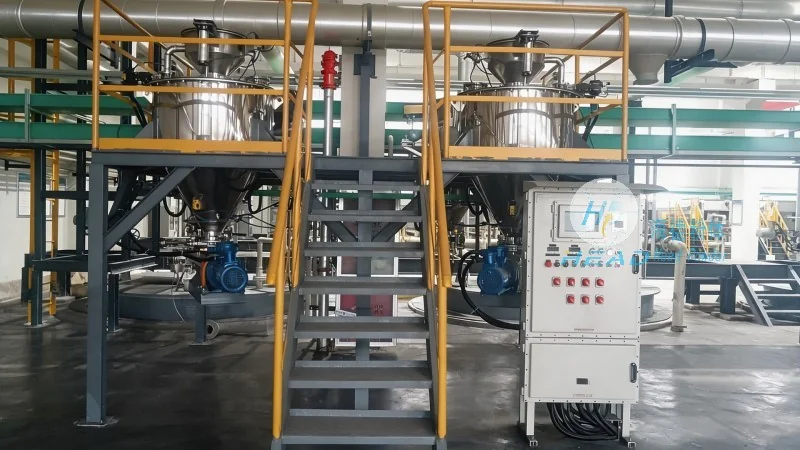
Introduction to Sawdust and Husk Material Pneumatic Conveying Systems
Sawdust and husk materials, derived from wood processing and agricultural activities, present unique challenges in material handling due to their light weight, irregular shapes, and tendency to generate dust. Traditional methods like belt conveyors or manual handling are often inefficient and can lead to material loss or contamination. The pneumatic conveying system addresses these issues by utilizing air as the primary medium to transport the material through a closed pipeline network. This technology not only enhances operational efficiency but also ensures a cleaner and safer working environment.
About Shandong HeadPowder Engineering Co., Ltd.
At the heart of reliable pneumatic conveying solutions is Shandong HeadPowder Engineering Co., Ltd., a leading manufacturer based in Shandong, China. With years of expertise in engineering and manufacturing, HeadPowder specializes in designing and supplying customized pneumatic conveying systems tailored to the specific needs of sawdust and husk processing industries. The company’s commitment to quality and innovation has established it as a trusted partner for businesses seeking efficient material handling solutions.
Key Components of a Sawdust and Husk Material Pneumatic Conveying System
The effectiveness of a pneumatic conveying system for sawdust and husk materials relies on its integrated components, each playing a critical role in the overall operation. The primary components include:
1. Feeding Unit: This component is responsible for introducing the sawdust or husk material into the system. It may consist of a hopper, a rotary valve, or a screw feeder, depending on the material's characteristics and the desired flow rate. The feeding unit ensures a consistent and controlled supply of material to the conveying line.
2. Pneumatic Conveying Line: The pipeline network, typically made of stainless steel or other corrosion-resistant materials, forms the backbone of the system. The design of the pipeline, including its diameter, length, and bends, is critical. Properly sized and configured pipelines minimize pressure losses and ensure smooth material flow. The line may include straight sections, elbows, and vertical risers, all engineered to maintain optimal air velocity for effective conveying.
3. Air Supply System: Compressors and air treatment equipment generate the necessary air pressure and quality. The air supply system includes filters, regulators, and possibly humidifiers or dryers, depending on the material's moisture content and the environmental conditions. High-quality air is essential to prevent material degradation and ensure the longevity of the system components.
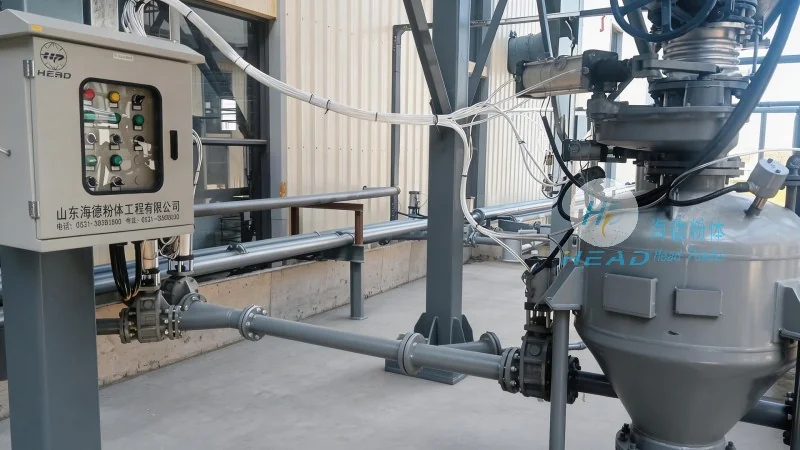
4. Separation and Collection Equipment: At the receiving end of the conveying line, separation devices like cyclones or bag filters remove the material from the air stream. The collected material is then discharged into a storage bin or processing unit. These components are designed to handle the fine particles and ensure complete material recovery.
Design Principles for Sawdust and Husk Material Pneumatic Conveying
The design of a sawdust and husk material pneumatic conveying system is governed by several key principles that balance efficiency, cost, and operational reliability. These principles include:
1. Air Velocity and Pressure: The air velocity within the pipeline must be sufficient to lift and transport the material without causing excessive wear on the system components. For sawdust and husk materials, typical conveying velocities range from 20 to 30 meters per second, depending on the material's density and particle size. The pressure required is determined by the system's length, elevation changes, and the number of bends.
2. Material Characteristics: The physical properties of the sawdust or husk material, such as particle size distribution, moisture content, and bulk density, directly influence the system design. For example, materials with high moisture content may require additional drying or humidification to prevent clogging. The system must be tailored to accommodate these variations to ensure consistent performance.
3. System Integration: A well-designed pneumatic conveying system integrates seamlessly with the existing production processes. This includes coordinating with other equipment like crushers, dryers, or pelletizers to ensure a smooth material flow from source to destination. The design considers factors like space constraints, environmental regulations, and operational safety.
4. Energy Efficiency: Modern pneumatic conveying systems prioritize energy efficiency to reduce operational costs. This involves optimizing air pressure, minimizing pressure losses through pipeline design, and using energy-efficient compressors. Advanced control systems can also adjust the air flow based on the material feed rate, further enhancing energy savings.
Benefits of Implementing a Sawdust and Husk Material Pneumatic Conveying System
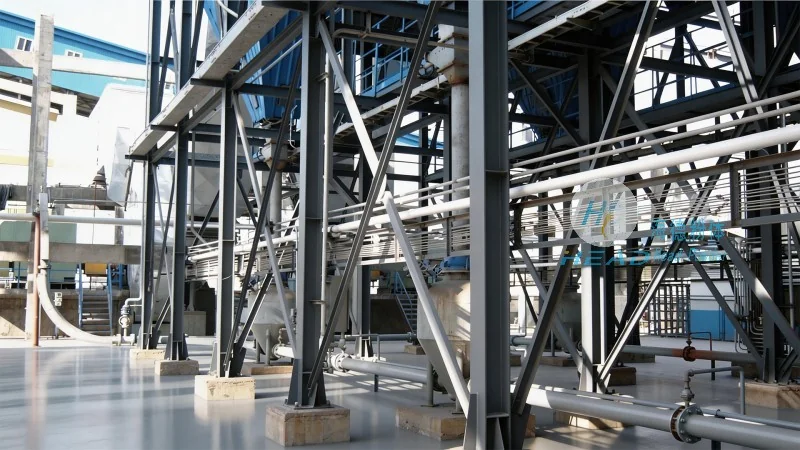
Adopting a pneumatic conveying system for sawdust and husk materials offers numerous advantages that contribute to improved productivity and operational excellence. These benefits include:
1. Enhanced Efficiency: The system allows for continuous, automated material transport, reducing labor costs and increasing production throughput. The absence of moving parts in the conveying line minimizes maintenance requirements, leading to lower downtime.
2. Improved Product Quality: By keeping the material enclosed within the pipeline, the system prevents contamination from external sources and minimizes dust exposure. This ensures that the sawdust or husk material remains clean and free from foreign particles, which is critical for downstream processing like pelletization or packaging.
3. Space and Cost Savings: Compared to traditional conveyor systems, pneumatic conveying requires less floor space and can be installed in existing facilities with minimal modifications. The compact design and reduced need for additional infrastructure lower the overall capital and operational costs.
4. Environmental Compliance: The enclosed nature of the system helps in controlling dust emissions, making it easier to meet environmental regulations. This is particularly important for industries operating in regions with strict air quality standards.
Conclusion
The sawdust and husk material pneumatic conveying system, with its robust design principles and integrated components, represents a highly effective solution for material handling in wood processing and agricultural industries. By leveraging the expertise of companies like Shandong HeadPowder Engineering Co., Ltd., businesses can achieve efficient, reliable, and cost-effective material transport while maintaining high product quality and environmental standards. As industries continue to seek innovative solutions for material handling, the pneumatic conveying system remains a cornerstone technology, adapting to the evolving needs of modern manufacturing.