

What is a Glass Fiber Material Pneumatic Conveying System? And What Are Its Design Principles?
For industries dealing with glass fiber materials, efficient and reliable material handling is crucial. A glass fiber material pneumatic conveying system is a specialized solution designed to transport these lightweight, abrasive, and often delicate particles through a pipeline using air or other gas as the conveying medium. This system not only enhances operational efficiency but also ensures the integrity of the glass fiber material during transport.
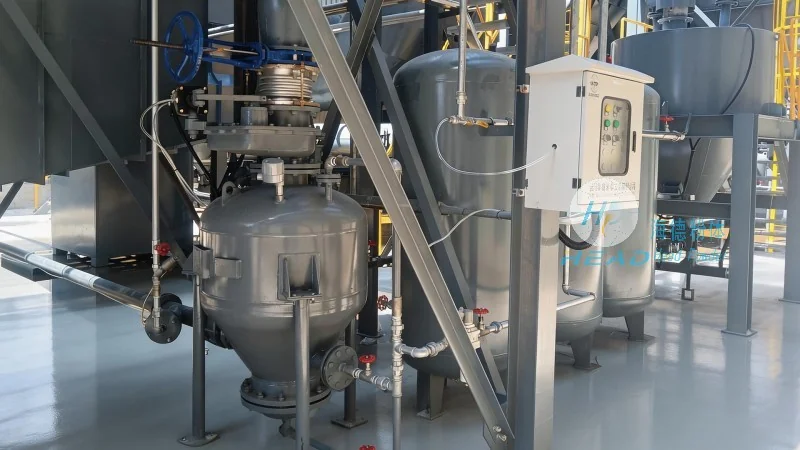
Understanding the Glass Fiber Material Pneumatic Conveying System
At the core of this system is the ability to handle glass fiber, which is known for its low bulk density, high abrasiveness, and tendency to generate static electricity. Traditional conveying methods may struggle with these characteristics, leading to blockages, material degradation, or equipment wear. The pneumatic conveying system addresses these challenges by utilizing a pressurized or vacuum environment to move the material through a network of pipes.
Key Components of the System
The glass fiber material pneumatic conveying system typically consists of several key components that work in tandem to ensure smooth operation. These include the material feed hopper, which holds the glass fiber and controls the flow rate; the conveying line, which is usually made of corrosion-resistant materials like stainless steel or special polymers to withstand the abrasive nature of the glass fibers; the air or gas source, which provides the necessary pressure or vacuum; and the control system, which regulates the flow and pressure to maintain optimal conveying conditions.
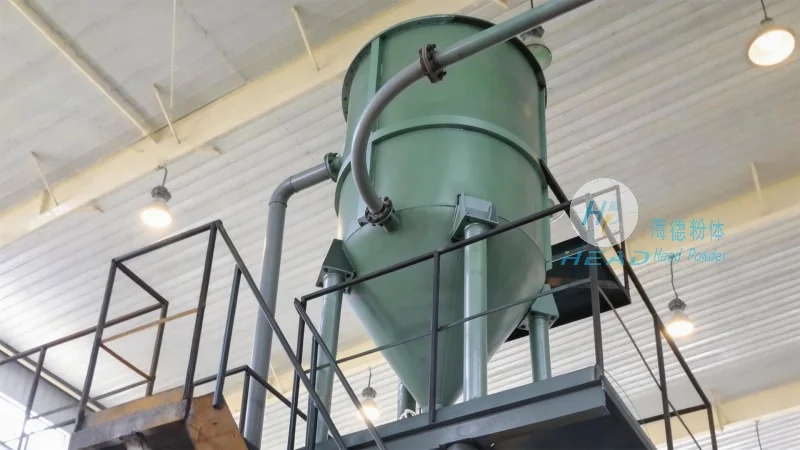
Design Principles and Operational Mechanics
The design of a glass fiber material pneumatic conveying system is based on several fundamental principles. The most common types are pressure and vacuum systems. In a pressure system, air is blown into the conveying line, pushing the material forward. This method is suitable for short to medium distances and can handle a wide range of material loads. In a vacuum system, the air is drawn out of the line, creating a vacuum that pulls the material from the hopper. Vacuum systems are often used for longer distances or when the material needs to be transported from multiple sources.
Advantages of Using a Glass Fiber Material Pneumatic Conveying System
Implementing a glass fiber material pneumatic conveying system offers numerous advantages for manufacturers. Firstly, it minimizes material degradation by reducing contact with external elements and mechanical stress. The enclosed system prevents contamination and dust dispersion, which is critical for maintaining product quality and compliance with environmental regulations. Secondly, it enhances operational efficiency by automating the material handling process, reducing labor costs and increasing throughput. Additionally, the system is flexible and can be easily integrated into existing production lines, allowing for scalability as production needs change.
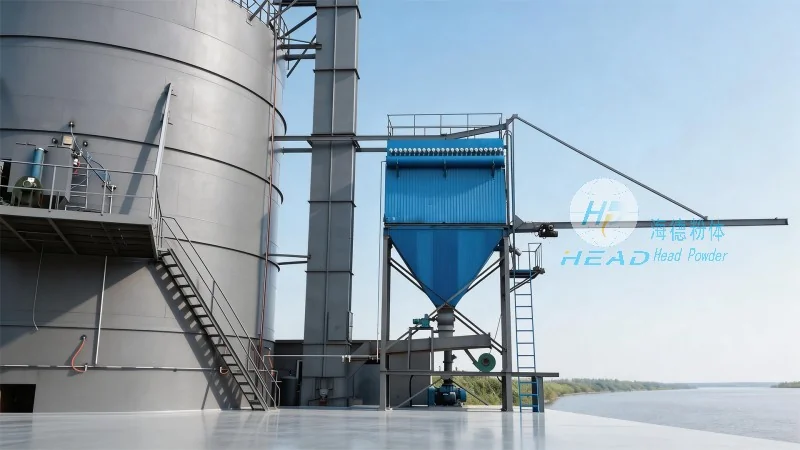
Applications in Various Industries
Glass fiber material pneumatic conveying systems are widely used across multiple industries that rely on glass fiber as a raw material. In the composite manufacturing industry, these systems are essential for transporting glass fiber roving, chopped strands, or mats to the production lines where they are combined with resins to create composite parts. In the textile industry, they are used to move glass fiber yarns or fabrics for further processing. The system is also applicable in the construction industry for transporting glass fiber insulation materials or in the automotive industry for manufacturing glass fiber-reinforced components.
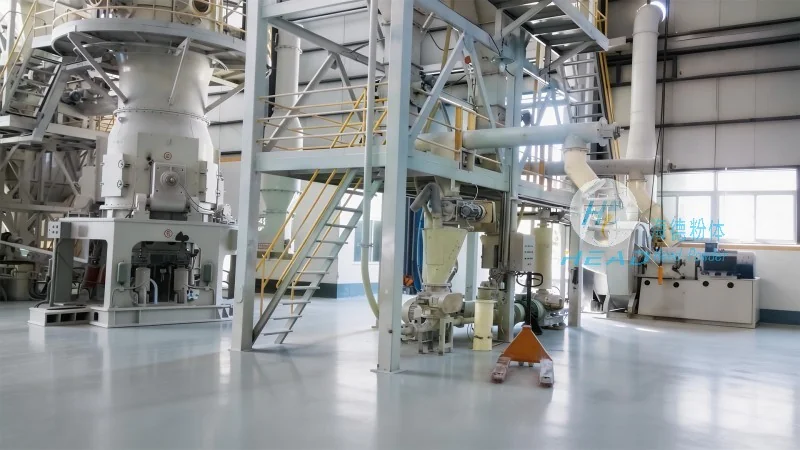
Customization and Integration with HeadPowder Engineering
Shandong HeadPowder Engineering Co., Ltd., a leading provider in the field, specializes in designing and manufacturing customized glass fiber material pneumatic conveying systems tailored to specific customer needs. With years of experience and a deep understanding of the unique challenges associated with glass fiber materials, HeadPowder engineers work closely with clients to develop solutions that optimize performance, reduce operational costs, and ensure long-term reliability. The company’s approach involves thorough analysis of the material characteristics, production requirements, and site conditions to create a system that meets all technical and operational standards.
Conclusion: Enhancing Efficiency with Advanced Conveying Solutions
In conclusion, a glass fiber material pneumatic conveying system is a sophisticated and effective solution for handling glass fiber materials. By leveraging the principles of pneumatic transport, these systems address the inherent challenges of glass fiber, such as low density and abrasiveness, while providing benefits like reduced material degradation, improved efficiency, and enhanced safety. For businesses looking to enhance their material handling capabilities, partnering with a reputable company like Shandong HeadPowder Engineering Co., Ltd. can ensure the implementation of a reliable and efficient system that meets their specific operational needs.