

What is an Alumina Hydroxide Material Pneumatic Conveying System? And What Are Its Design Principles
Alumina hydroxide, a key chemical compound widely used in various industrial applications, often requires efficient and reliable material handling solutions for its transportation. Among the advanced technologies available, the pneumatic conveying system stands out as a sophisticated method for moving alumina hydroxide from one location to another. This article delves into the concept of an alumina hydroxide material pneumatic conveying system, exploring its fundamental design principles and operational mechanisms.
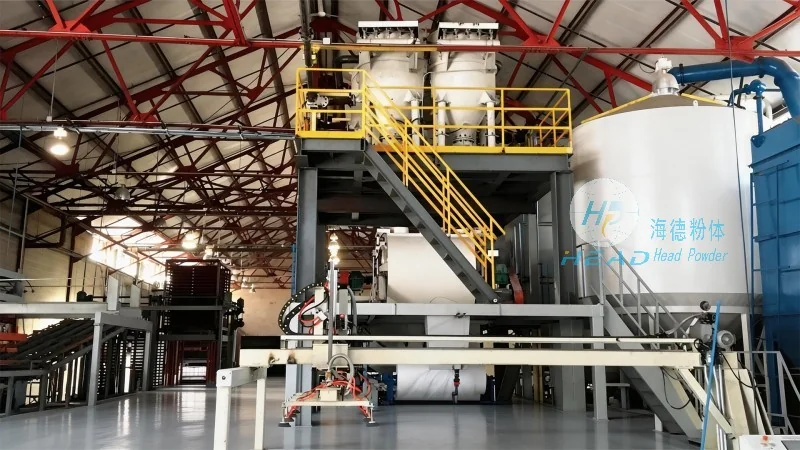
Understanding the Alumina Hydroxide Material Pneumatic Conveying System
The alumina hydroxide material pneumatic conveying system is a specialized industrial setup designed to transport alumina hydroxide powder or granules through a pipeline using a pressurized gas stream. Unlike traditional mechanical conveying methods, which rely on mechanical components like belts or screws, pneumatic conveying utilizes air or other gases to move the material, offering advantages such as reduced contamination, lower maintenance, and the ability to handle fine powders effectively. This system is particularly valuable in industries where alumina hydroxide is processed, such as in the production of aluminum, ceramics, and pharmaceuticals, where precise and clean material transfer is critical.
Key Components of the Pneumatic Conveying System
At the core of an alumina hydroxide material pneumatic conveying system are several essential components that work in concert to ensure efficient operation. The primary components include the material feed hopper, the conveying pipeline, the air compressor or blower, the control valves, and the discharge equipment. The material feed hopper is responsible for storing and feeding the alumina hydroxide into the system, ensuring a consistent flow rate. The conveying pipeline, typically made of stainless steel or other corrosion-resistant materials, transports the material and gas mixture. The air compressor or blower generates the necessary pressure to move the material through the pipeline. Control valves regulate the flow of air and material, allowing for adjustments based on operational needs. Finally, the discharge equipment, such as a rotary valve or a dust collector, collects the material at the destination point, preventing dust and ensuring a clean discharge.
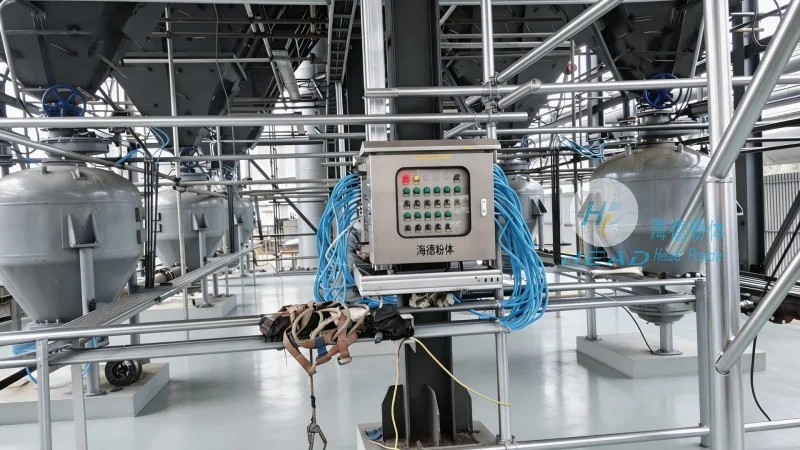
Design Principles and Operational Mechanisms
The design of an alumina hydroxide material pneumatic conveying system is governed by several fundamental principles aimed at optimizing performance and efficiency. The first principle is the selection of the appropriate conveying velocity, which must be sufficient to prevent material settling or blockages in the pipeline. The velocity is typically determined based on the material's properties, such as particle size, density, and flowability. The second principle is the consideration of the pressure drop along the pipeline, which affects the overall energy consumption and system efficiency. Engineers must calculate the pressure drop to ensure that the compressor or blower can provide enough pressure to overcome resistance and maintain the desired flow rate. The third principle involves the design of the system layout, including the number and configuration of pipelines, bends, and fittings, to minimize energy losses and ensure smooth material flow. Additionally, the system must be designed to handle the specific characteristics of alumina hydroxide, such as its tendency to agglomerate or clog, by incorporating features like pulse jets or air knives to maintain flow and prevent blockages.
The Role of Material Properties in System Design
The physical and chemical properties of alumina hydroxide play a crucial role in the design and operation of the pneumatic conveying system. For instance, the particle size distribution of the material affects the conveying velocity and pressure drop, as smaller particles require higher velocities to prevent settling. The density and specific gravity of alumina hydroxide influence the system's capacity and energy requirements, as denser materials demand more pressure to move. The flowability and cohesive properties of the material also impact the system's design, as highly cohesive materials may require additional measures, such as vibration or air knives, to maintain flow. Understanding these properties allows engineers to tailor the system design to the specific needs of the alumina hydroxide, ensuring optimal performance and minimizing operational issues.
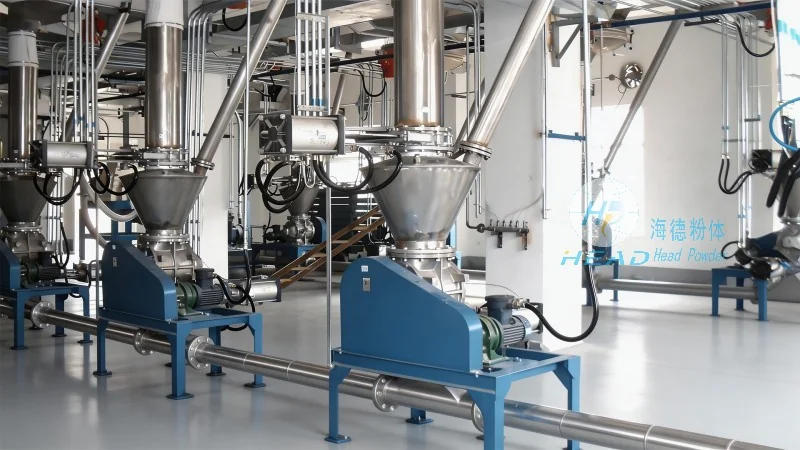
Advantages and Applications of the System
The alumina hydroxide material pneumatic conveying system offers several advantages over traditional conveying methods, making it a preferred choice in many industrial applications. One of the primary advantages is its ability to handle fine powders and granules without contamination, which is critical in industries like pharmaceuticals and food processing. The system also provides a closed-loop operation, reducing dust emissions and improving workplace safety. Additionally, pneumatic conveying systems are relatively compact and can be integrated into existing facilities, making them a cost-effective solution for material handling. The applications of this system are diverse, including the transportation of alumina hydroxide in aluminum production plants, where it is used as a raw material for aluminum smelting, and in ceramic manufacturing, where it is used as a filler or pigment. In the pharmaceutical industry, the system is used to transport alumina hydroxide as an excipient in drug formulations, ensuring precise and clean handling.
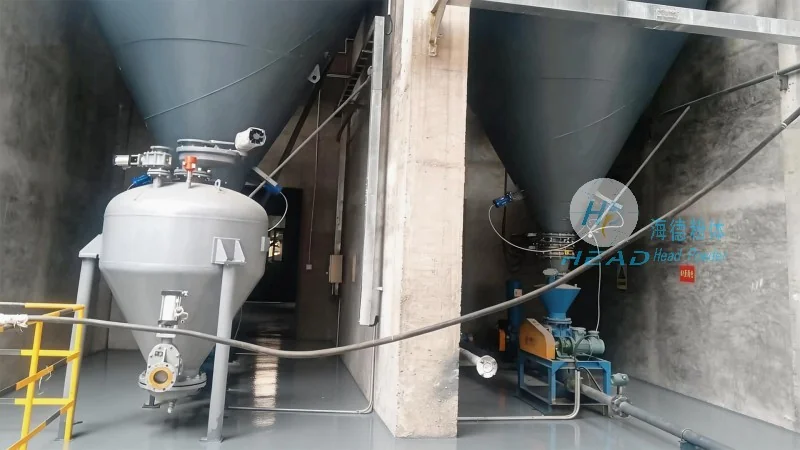
Challenges and Solutions in System Implementation
While the alumina hydroxide material pneumatic conveying system offers numerous benefits, its implementation may present certain challenges that need to be addressed. One common challenge is the potential for material blockages or clogging in the pipeline, especially with cohesive or fine powders. To mitigate this, engineers may incorporate features like pulse jets or air knives to break up agglomerates and maintain flow. Another challenge is the maintenance of the system, as the air compressor and other components require regular upkeep to ensure optimal performance. Proper maintenance schedules and the use of high-quality materials can help extend the system's lifespan and reduce downtime. Additionally, the system's energy consumption must be managed effectively, as pneumatic conveying can be energy-intensive. Engineers may employ energy-efficient designs, such as variable frequency drives (VFDs) for the air compressor, to reduce energy usage and operating costs.
Conclusion
In conclusion, the alumina hydroxide material pneumatic conveying system is a sophisticated and efficient solution for handling alumina hydroxide in various industrial applications. Its design is based on fundamental principles that consider the material's properties, system components, and operational requirements. By understanding these principles and addressing potential challenges, industries can leverage this technology to improve material handling efficiency, reduce costs, and enhance workplace safety. As the demand for alumina hydroxide continues to grow, the pneumatic conveying system remains a critical component in the production and processing of this important chemical compound. The expertise of companies like Shandong HeadPowder Engineering Co., Ltd., with their focus on engineering and innovation, plays a vital role in developing and implementing these systems to meet the evolving needs of the industry.