Understanding the essential components of pneumatic conveying systems for calcined sand is crucial for optimizing material handling processes in industrial applications. This article provides a detailed overview of the key elements that constitute such systems, emphasizing the technical aspects and functional roles of each component.
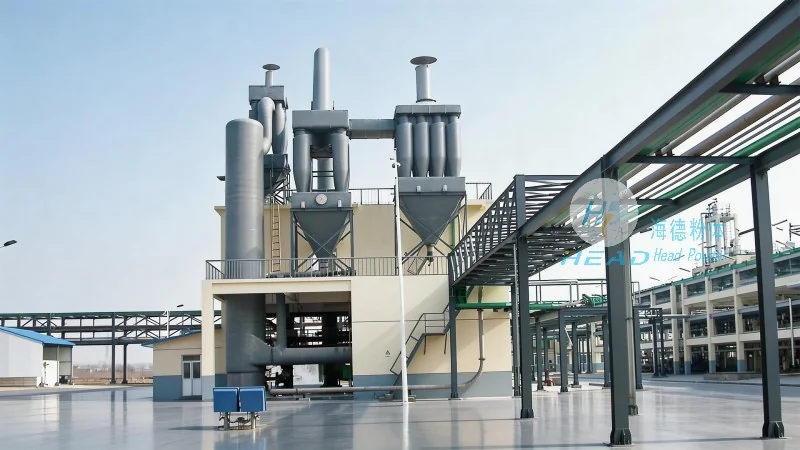
Key Components of Pneumatic Conveying Systems for Calcined Sand
The pneumatic conveying system for calcined sand typically consists of several interconnected components that work in tandem to ensure efficient material transport. These components are designed to handle the specific characteristics of calcined sand, such as its particle size, density, and flow properties. The primary components include the material feed system, the conveying line, the air supply system, and the discharge equipment. Each of these components plays a vital role in the overall performance and reliability of the system.
The Material Feed System
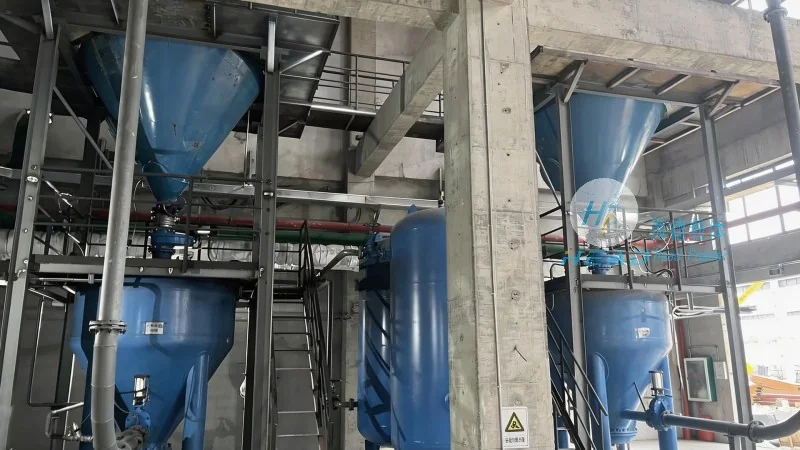
The material feed system is the initial stage of the pneumatic conveying process, responsible for introducing calcined sand into the system. This component may include a hopper or a feeder that controls the flow rate of the material. For calcined sand, which can be abrasive and have varying particle sizes, the feed system is often equipped with features like a rotary valve or a screw feeder to ensure consistent and controlled material input. The design of the feed system is critical to prevent blockages and maintain a steady flow, as any irregularities in the feed can impact the entire conveying process.
The Conveying Line
The conveying line is the core of the pneumatic system, where the calcined sand is transported through the use of compressed air. This line can be either a flexible hose or a rigid pipe, depending on the application requirements. For calcined sand, which may have a tendency to settle or cause abrasion, the material is often conveyed in a dilute phase or a dense phase, depending on the system design. The choice of conveying line material, such as stainless steel or high-density polyethylene, is influenced by factors like the sand's chemical properties and the need for corrosion resistance. The length and diameter of the conveying line are also carefully selected to minimize pressure drop and ensure efficient transport over the required distance.
The Air Supply System
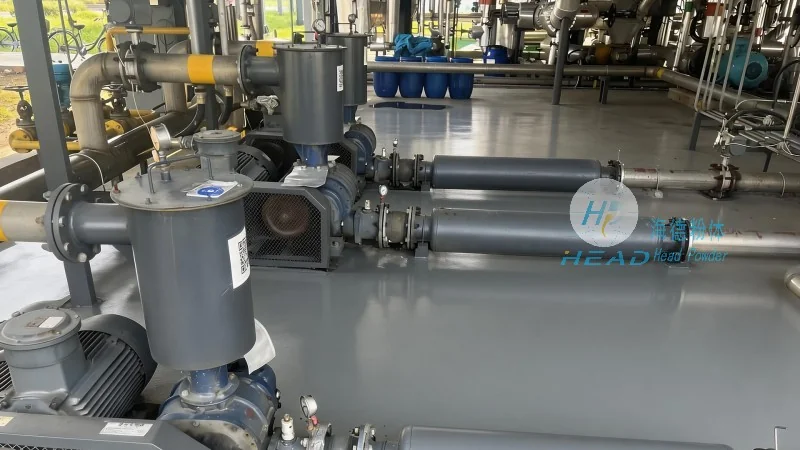
The air supply system provides the necessary pressure and volume of air to move the calcined sand through the conveying line. This system typically includes a blower or a compressor, which generates the required airflow. The air supply is often filtered to remove contaminants that could damage the system or affect the quality of the calcined sand. For calcined sand applications, the air is usually heated or maintained at a specific temperature to prevent moisture absorption or clumping, which could hinder the conveying process. The air supply system is also equipped with pressure regulators and safety valves to ensure stable operation and protect against overpressure conditions.
Discharge Equipment
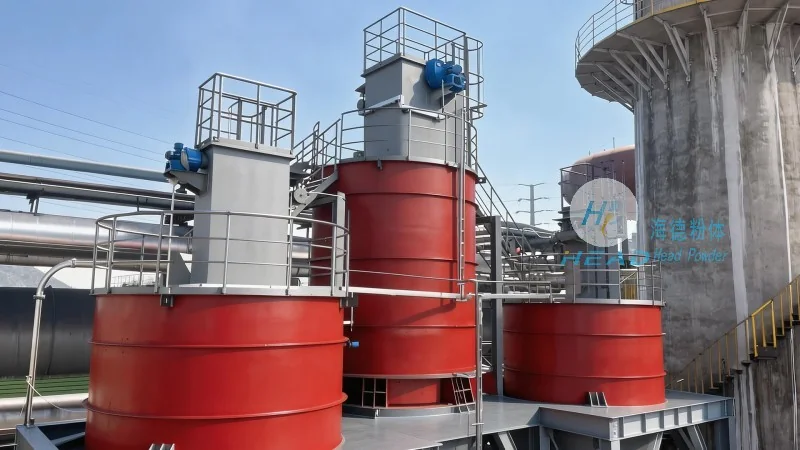
The discharge equipment is the final component of the pneumatic conveying system, responsible for releasing the calcined sand from the conveying line into the target container or processing unit. This component may include a rotary valve, a gate valve, or a hopper with a discharge port. The design of the discharge equipment is crucial to prevent material buildup and ensure a smooth flow of the calcined sand. For abrasive calcined sand, the discharge equipment is often constructed from wear-resistant materials, such as hardened steel or ceramic, to extend its service life and maintain operational efficiency. The discharge rate is controlled by adjusting the valve or the hopper's opening, allowing for precise material delivery to the next stage of the process.
Control and Monitoring Systems
In addition to the primary components, modern pneumatic conveying systems for calcined sand are often equipped with control and monitoring systems to enhance operational efficiency and safety. These systems may include pressure sensors, flow meters, and level indicators that provide real-time data on the system's performance. The control system can automatically adjust the air pressure, feed rate, or discharge rate based on the conditions, ensuring optimal operation. For example, if the pressure in the conveying line drops, the system can increase the air supply to maintain the conveying rate. These monitoring features help in early detection of issues, such as blockages or pressure fluctuations, allowing for timely maintenance and reducing downtime.
Importance of Component Integration
The effectiveness of a pneumatic conveying system for calcined sand depends significantly on the proper integration and coordination of all its components. Each component must be selected and sized appropriately to match the specific characteristics of the calcined sand and the operational requirements. For instance, the material feed system must be capable of handling the sand's flow properties, while the conveying line must be durable enough to withstand abrasion. The air supply system needs to provide sufficient airflow to move the material without causing excessive pressure drop. Proper integration ensures that the system operates efficiently, with minimal energy consumption and low maintenance costs. It also contributes to the overall reliability and longevity of the equipment, which is essential for continuous industrial operations.
Conclusion
In summary, the pneumatic conveying system for calcined sand is composed of several critical components, each with a specific function in the material handling process. The material feed system, conveying line, air supply system, discharge equipment, and control systems all work together to ensure efficient and reliable transport of calcined sand. Understanding these components and their roles is essential for selecting or designing an appropriate system for industrial applications. By optimizing the integration and performance of these components, industries can enhance their material handling processes, reduce operational costs, and improve overall productivity. The expertise of companies like Shandong HeadPowder Engineering Co., Ltd. in designing and manufacturing such systems plays a vital role in meeting the specific needs of calcined sand applications.




