

Principles and Working Scene Characteristics of Barley Malt Powder Conveying
Barley malt, a foundational raw material in the brewing industry, necessitates efficient powder conveying systems to maintain consistent quality and operational efficiency. The process of transporting barley malt powder involves understanding its physical attributes and selecting appropriate conveying technologies. This article delves into the principles behind barley malt powder conveying and highlights the key characteristics of its application across various working scenes.
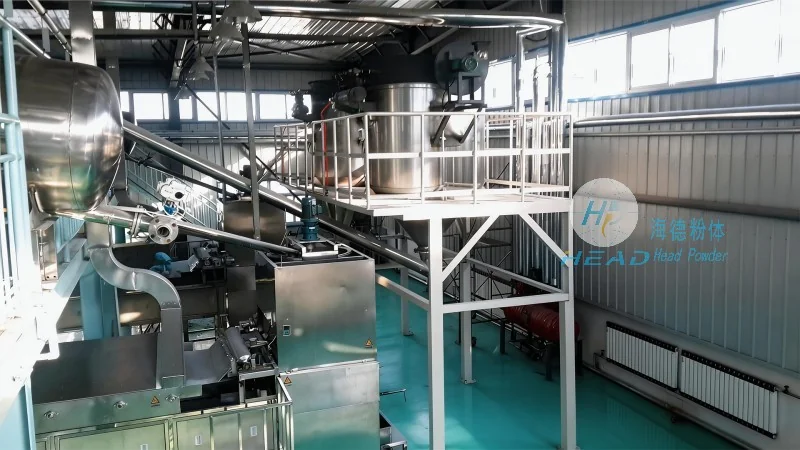
Understanding the Core Principles of Barley Malt Powder Conveying
The fundamental principle of barley malt powder conveying is to move granular material from one location to another while preserving its integrity and preventing degradation. Barley malt, with its moisture content and particle size distribution, requires specialized handling to avoid caking, segregation, or contamination. Common conveying methods include pneumatic conveying (air-assisted), mechanical conveying (e.g., screw conveyors, belt conveyors), and hybrid systems that combine both approaches. Each method is chosen based on factors such as material flow rate, distance, and the need for dust control. For example, pneumatic conveying is ideal for long-distance transport and when dust suppression is critical, while mechanical conveyors are suitable for short distances and bulk material handling.
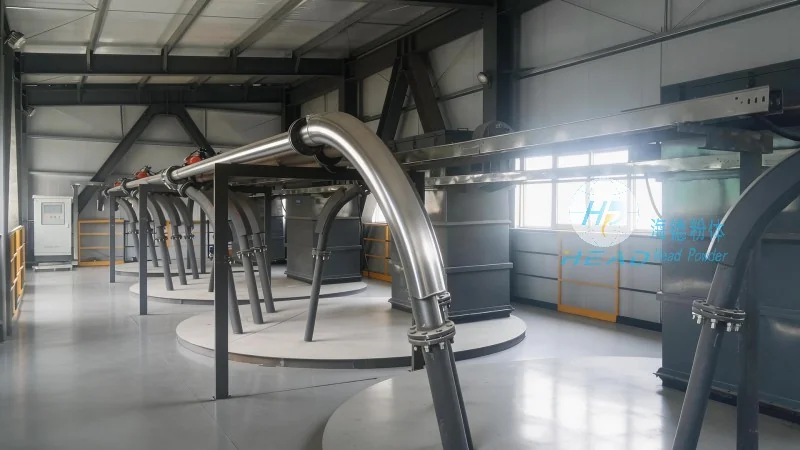
Key Working Scene Characteristics of Barley Malt Powder Conveying
The application of barley malt powder conveying varies across different industrial settings, each presenting unique challenges and requirements. In a typical brewery, the conveying system must integrate seamlessly with the malting, mashing, and fermentation stages. The working scene characteristics include high-volume material handling, the need for gentle material handling to preserve malt enzymes, and integration with automated batching systems. In contrast, in a malt production facility, the focus may be on raw material transport from storage silos to processing equipment, where the system must handle varying particle sizes and moisture levels. Another key characteristic is the requirement for dust control and environmental compliance, as malt dust can be a health hazard and regulatory issue. Companies like Shandong HeadPowder Engineering Co., Ltd. specialize in designing tailored conveying solutions that address these specific scene requirements, ensuring optimal performance and safety.
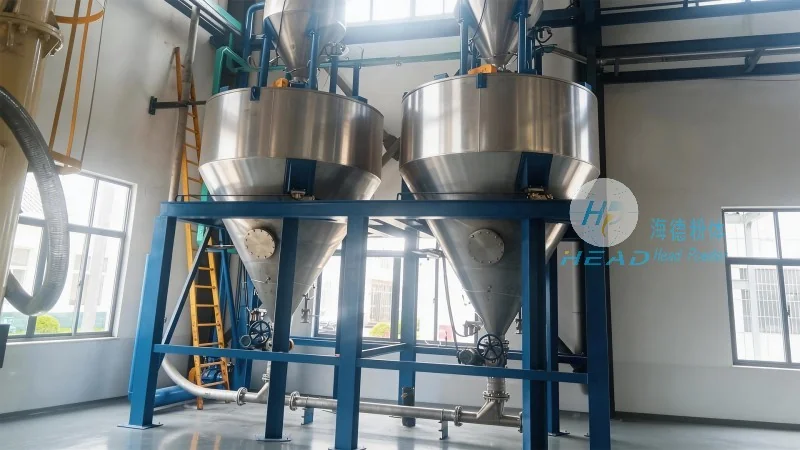
Technical Considerations and Industry Standards
Effective barley malt powder conveying relies on adherence to industry standards and technical considerations. Material properties, such as bulk density, flowability, and abrasiveness, are critical factors in selecting the right equipment. For instance, barley malt has a relatively low bulk density compared to other powders, which affects the air velocity required for pneumatic conveying. Additionally, the presence of moisture can impact the material's flowability, necessitating moisture control measures in the conveying system. Equipment design must also consider the need for cleaning and maintenance, as malt can adhere to surfaces and cause blockages. Regulatory standards, such as those related to food safety and occupational health, further influence the design and operation of conveying systems. Shandong HeadPowder Engineering Co., Ltd. adheres to these standards, ensuring their solutions meet both functional and compliance requirements.
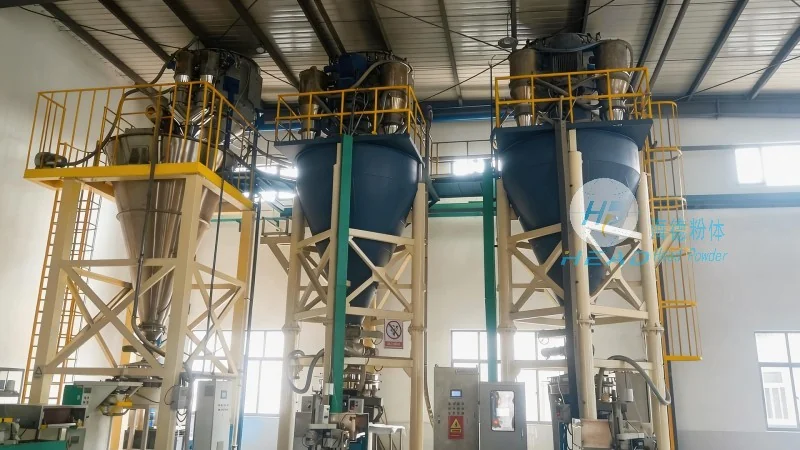
Conclusion: Optimizing Barley Malt Handling with Advanced Conveying Solutions
Efficient barley malt powder conveying is essential for maintaining the quality and productivity of brewing operations. By understanding the principles of material handling and the specific characteristics of different working scenes, industries can select and implement the most suitable conveying systems. Companies like Shandong HeadPowder Engineering Co., Ltd. play a vital role in providing customized solutions that address the unique challenges of barley malt processing. Through advanced engineering and adherence to industry standards, these solutions enhance operational efficiency, reduce downtime, and ensure the consistent quality of malt products. As the brewing industry continues to evolve, the importance of reliable powder conveying systems will only grow, making it a critical component of modern malt processing.