

Principles and Working Scene Characteristics of Soybean Feed Powder Conveying
For the efficient handling and transportation of soybean feed powder, specialized conveying systems are essential. These systems are designed to ensure the safe, reliable, and cost-effective movement of bulk feed materials from storage to processing or feeding areas. The core principles of such systems revolve around understanding the physical properties of soybean feed, selecting appropriate conveying technologies, and optimizing operational parameters to meet the specific demands of agricultural and feed production facilities.
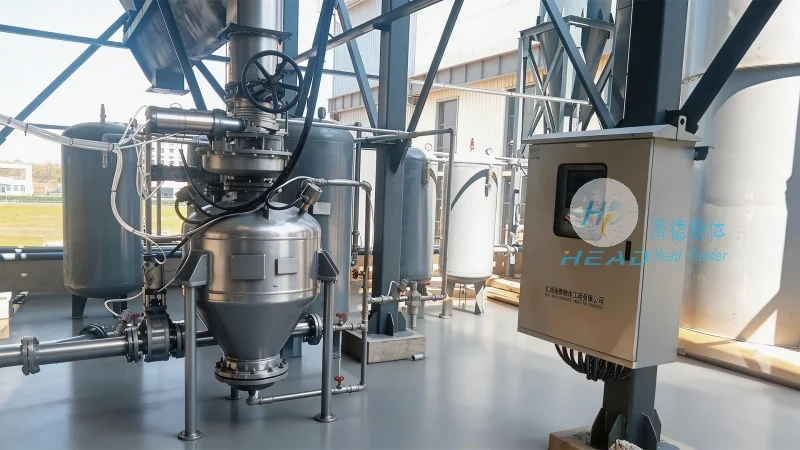
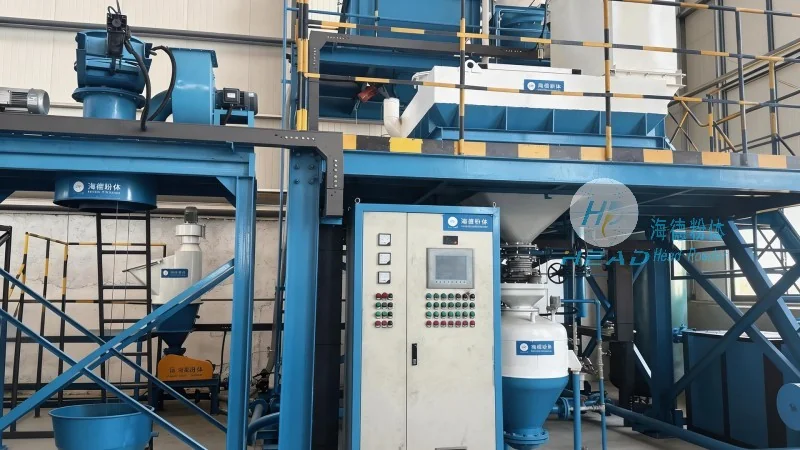
Key Principles of Soybean Feed Powder Conveying
The fundamental principles of soybean feed powder conveying involve several critical aspects. First, the material's flowability and bulk density are crucial factors. Soybean feed, being a fine powder with specific particle size distribution, requires systems that can handle its cohesive and aerated nature. This often involves the use of pneumatic or mechanical conveying methods tailored to prevent material bridging, segregation, and degradation. Second, the system design must consider the need for minimal product contamination and loss. High-quality components, such as stainless steel construction and sealed conveying lines, are standard to maintain the purity of the feed. Third, energy efficiency and operational reliability are paramount. Modern conveying systems incorporate advanced controls and monitoring to optimize air or power usage while ensuring consistent performance over extended periods. These principles collectively form the foundation for effective soybean feed powder handling in industrial settings.
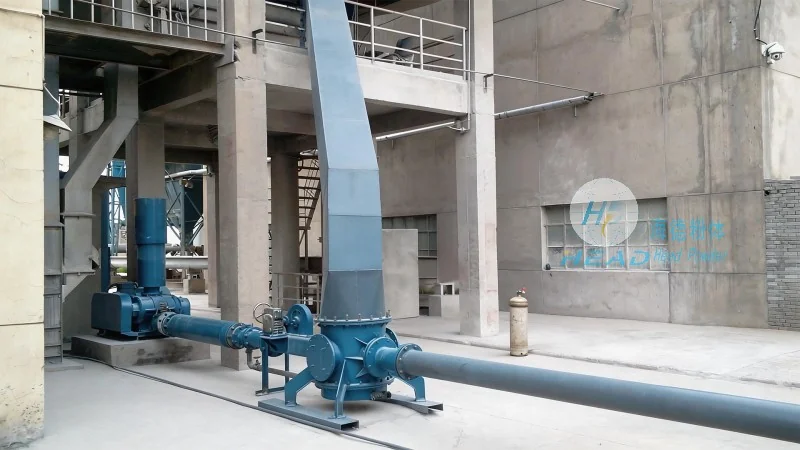
Working Scene Characteristics of Soybean Feed Powder Conveying Applications
The working scene characteristics of soybean feed powder conveying systems vary significantly based on the application and scale of the operation. In large-scale feed mills or agricultural feed production facilities, the systems are typically integrated into complex production lines, requiring high throughput and continuous operation. These environments demand robust, heavy-duty equipment capable of handling large volumes of feed powder without interruption. For example, in a feed mill processing soybean meal and other ingredients, the conveying system may need to transport feed from silos to mixing and pelleting units, often over considerable distances. The working scene also includes considerations for space constraints, as feed mills are often compact and require efficient use of vertical and horizontal space. Additionally, the need for hygiene and easy cleaning is critical, especially in facilities producing animal feed, where sanitation standards are stringent. In smaller-scale operations, such as on-farm feed storage or local feed producers, the conveying systems may be more compact and less complex, focusing on reliability and ease of maintenance rather than high throughput. Regardless of the scale, the working scene characteristics emphasize the importance of adapting the conveying system to the specific operational requirements, ensuring optimal performance and compliance with industry standards.
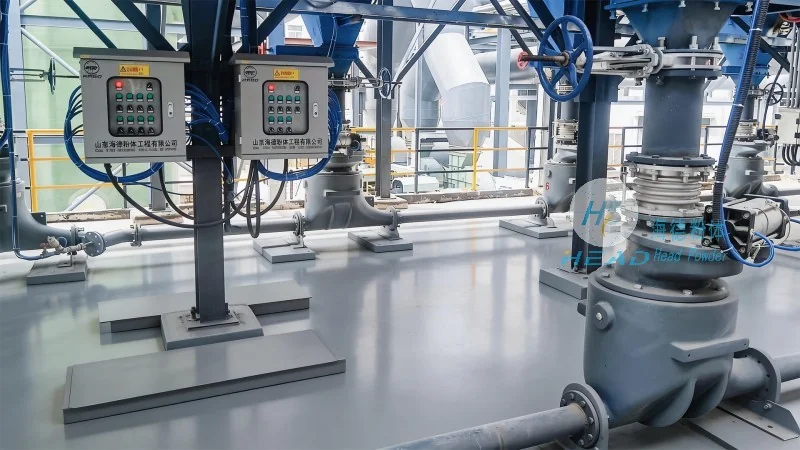
Company Overview: HeadPowder Engineering
HeadPowder Engineering, operating under the company name Shandong HeadPowder Engineering Co., Ltd., specializes in the design, manufacturing, and supply of advanced powder handling and conveying solutions. With a focus on industrial applications, particularly in the feed and agricultural sectors, HeadPowder Engineering leverages decades of experience to develop customized systems that meet the unique needs of clients. The company's headquarters is located in Shandong, China, where it maintains a strong presence in the regional industrial market. By combining technical expertise with a customer-centric approach, HeadPowder Engineering aims to provide reliable and efficient conveying solutions that enhance operational efficiency and product quality for its clients. The company's commitment to innovation and quality ensures that its products align with the evolving demands of the feed industry, supporting sustainable and effective feed production processes.