Dolomite pneumatic conveying systems are integral to the efficient handling and transportation of dolomite powder in various industrial applications. Understanding the core components of such systems is crucial for optimizing performance, ensuring safety, and maintaining operational efficiency. This article provides a detailed overview of the key elements that constitute a dolomite pneumatic conveying system, highlighting the role of each component in the overall process.
Key Components of Dolomite Pneumatic Conveying Systems
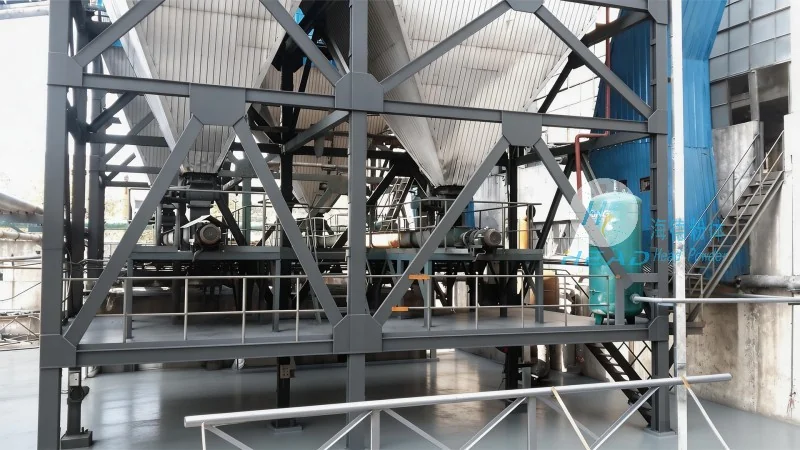
The primary components of a dolomite pneumatic conveying system typically include the material hopper, feeder, air supply system, conveying line, and receiver. Each of these components plays a vital role in the seamless transport of dolomite powder from the source to the destination.
Material Hopper and Feeder
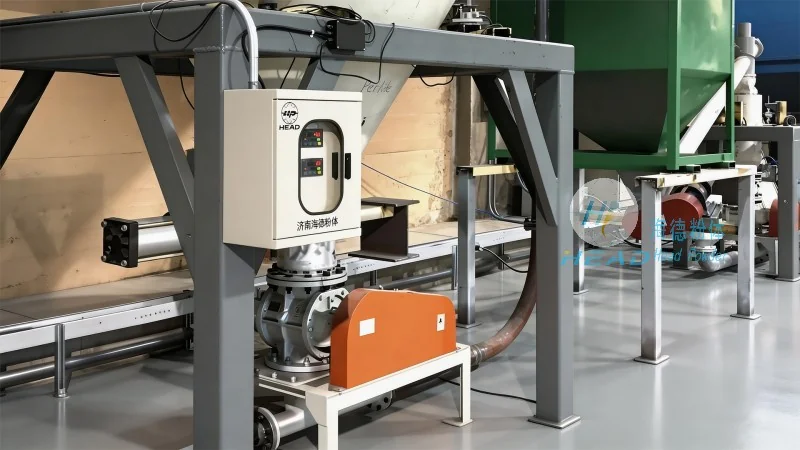
The material hopper is the initial storage vessel where dolomite powder is collected before being conveyed. It is designed to hold a sufficient quantity of material to ensure continuous operation without frequent refilling. The feeder, often an auger or rotary valve, regulates the flow of dolomite from the hopper into the conveying line. Proper design of the hopper and feeder is essential to prevent material bridging or clogging, which can disrupt the conveying process. The feeder must also be capable of handling the specific characteristics of dolomite, such as its particle size and density, to maintain consistent flow rates.
Air Supply System
The air supply system is a critical component that generates the necessary airflow to move the dolomite particles through the conveying line. This system typically consists of a blower or compressor, which provides the pressure and volume of air required for the conveying process. The choice of air supply equipment depends on factors like the distance of the conveying line, the volume of material to be transported, and the desired conveying velocity. Efficient air supply ensures that the dolomite particles are adequately suspended and transported without excessive pressure loss or particle degradation.
Conveying Line and Pipeline
The conveying line, usually made of metal or flexible tubing, forms the path through which the dolomite particles are transported. The design of the pipeline must consider factors such as the material's abrasiveness, to prevent wear and tear, and the need for smooth transitions to minimize pressure drop. The line may include bends, elbows, and expansion joints to accommodate changes in direction and elevation. Proper maintenance of the conveying line is essential to avoid leaks or blockages that could affect the system's performance. Additionally, the pipeline's diameter and length are carefully selected to optimize the conveying velocity and reduce energy consumption.
Receiver and Discharge System
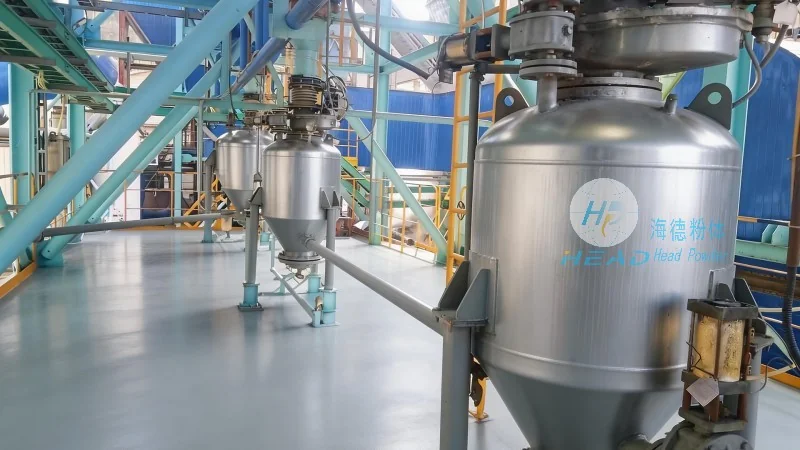
The receiver is the final storage vessel where the dolomite powder is deposited after being conveyed. It is designed to collect the material and prevent spillage or dust emission. The discharge system, which may include a rotary valve or gate valve, controls the release of the dolomite from the receiver. The receiver must be equipped with dust collection and ventilation systems to ensure compliance with environmental regulations and maintain a safe working environment. Proper sealing and material compatibility are crucial to prevent contamination or leakage of the dolomite powder.
Control and Monitoring Systems
Modern dolomite pneumatic conveying systems often incorporate control and monitoring systems to enhance operational efficiency and safety. These systems may include pressure sensors, flow meters, and control valves that regulate the air supply and material flow. The control panel allows operators to monitor the system's performance in real-time and make adjustments as needed. Additionally, safety features such as pressure relief valves and emergency shut-off mechanisms are integrated to prevent accidents and protect personnel. The use of advanced monitoring systems can also help in predicting maintenance needs and reducing downtime.
Role of Shandong HeadPowder Engineering Co., Ltd.
Shandong HeadPowder Engineering Co., Ltd., a leading provider of industrial powder handling solutions, specializes in designing and manufacturing dolomite pneumatic conveying systems tailored to the specific needs of clients. With a focus on quality and innovation, the company utilizes advanced engineering principles to develop efficient and reliable systems that meet the highest industry standards. The company's expertise in material handling technology ensures that each component of the system is optimized for the unique characteristics of dolomite, such as its particle size distribution and flow properties. By leveraging years of experience and a commitment to customer satisfaction, Shandong HeadPowder Engineering Co., Ltd. delivers solutions that enhance productivity and safety in industrial applications.
Conclusion
In summary, the components of a dolomite pneumatic conveying system work in harmony to facilitate the efficient transport of dolomite powder. From the material hopper and feeder to the air supply system and conveying line, each element plays a critical role in ensuring smooth operation. The integration of advanced control and monitoring systems further enhances the system's performance and safety. For businesses seeking reliable and efficient dolomite handling solutions, Shandong HeadPowder Engineering Co., Ltd. offers comprehensive services and high-quality equipment that meet the demands of modern industrial operations. With its commitment to excellence and customer-centric approach, the company continues to be a trusted partner in the powder handling industry.




