For businesses involved in the handling and transportation of pellet sand, understanding the core components of pneumatic conveying systems is essential for efficient operations and cost-effective solutions. This article explores the key elements that constitute a pellet sand pneumatic conveying system, providing insights into the technology and infrastructure that enable seamless material transport. The information is presented by Shandong HeadPowder Engineering Co., Ltd., a leading provider of engineering solutions for material handling systems.
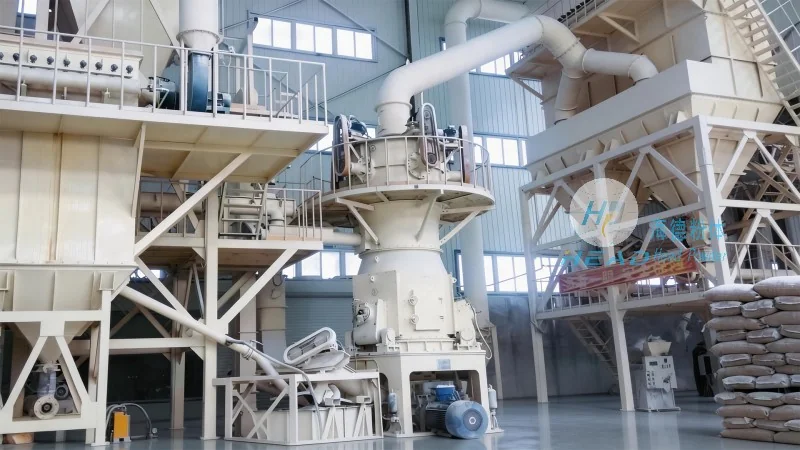
Introduction to Pellet Sand Pneumatic Conveying
Pellet sand, a lightweight aggregate commonly used in construction and industrial applications, requires specialized handling methods to ensure safe and efficient transport. Pneumatic conveying systems offer a reliable solution by utilizing air pressure to move materials through pipelines. The effectiveness of these systems depends on a combination of components that work in harmony to achieve optimal performance.
Key Components of a Pellet Sand Pneumatic Conveying System
The pellet sand pneumatic conveying system typically consists of several critical components, each playing a vital role in the overall operation. These components include the material feed hopper, which stores and feeds the pellet sand into the system; the air compressor, responsible for generating the necessary air pressure; and the conveying pipeline, which transports the material from the source to the destination.
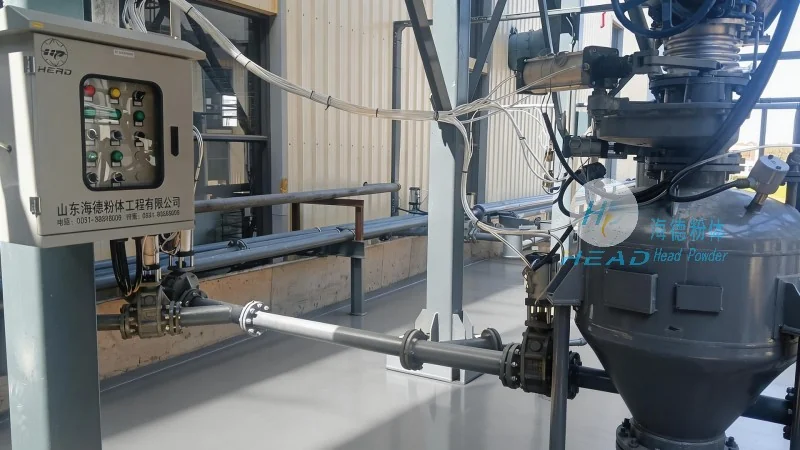
Another essential component is the dust collector or filter system, which captures any airborne particles and ensures compliance with environmental regulations. The system may also include a control panel or automation system to monitor and regulate the flow of material and air pressure, enhancing operational efficiency and safety.
Material Feed Hopper and Feeding Mechanism
The material feed hopper is a critical component for maintaining a consistent flow of pellet sand into the pneumatic conveying system. It is designed to store the bulk material and provide a controlled discharge rate, preventing overloading or underfeeding that could disrupt the conveying process. The feeding mechanism, often a rotary valve or screw feeder, ensures that the material is introduced into the system at a steady rate, matching the air flow and maintaining system performance.
Air Compressor and Pressure Regulation
The air compressor is the heart of the pneumatic conveying system, responsible for generating the pressure required to move the pellet sand through the pipeline. The choice of compressor type, such as positive displacement or centrifugal, depends on factors like the system's capacity, pressure requirements, and the nature of the material being conveyed. Proper pressure regulation is crucial to prevent excessive wear on components and to ensure consistent material transport.
Conveying Pipeline and System Design
The conveying pipeline is a network of pipes that transports the pellet sand from the feed hopper to the discharge point. The design of the pipeline, including the diameter, length, and layout, significantly impacts the system's efficiency and performance. Factors such as the material's density, flow rate, and the system's pressure drop must be considered during the design phase to minimize energy consumption and maximize throughput.
Dust Collection and Filtration
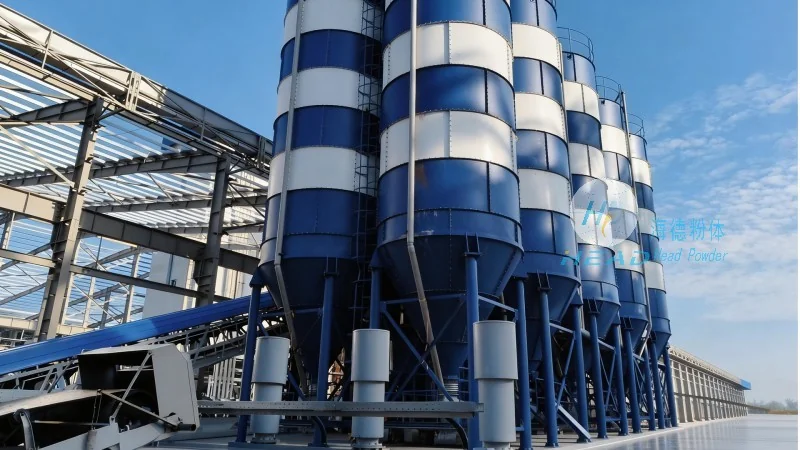
Due to the fine nature of pellet sand, dust generation is a common issue in pneumatic conveying systems. The dust collector or filter system is essential for capturing and removing airborne particles, protecting personnel and equipment from dust exposure. These systems typically use bag filters or cartridge filters to trap particles, with some advanced systems incorporating cyclone separators for initial particle removal.
Control and Automation Systems
Modern pellet sand pneumatic conveying systems often incorporate control and automation features to enhance operational efficiency and safety. These systems may include sensors to monitor pressure, flow, and material levels, as well as control panels that allow operators to adjust system parameters in real-time. Automation can help optimize the conveying process, reduce downtime, and improve overall system reliability.
Conclusion
In summary, a pellet sand pneumatic conveying system comprises several interrelated components that work together to achieve efficient material transport. From the material feed hopper to the air compressor and conveying pipeline, each component plays a critical role in ensuring the system operates smoothly and reliably. Understanding these components and their functions is essential for selecting the right system for specific applications and optimizing performance.




