

What is Potato Starch Pneumatic Conveying? Classification and Applications of Pneumatic Conveying
HeadPowder, a leading manufacturer based in Shandong, China, specializes in pneumatic conveying systems tailored for handling fine powders like potato starch. This article explores the fundamentals of pneumatic conveying, its classification, and practical applications in industrial settings.
Understanding Pneumatic Conveying
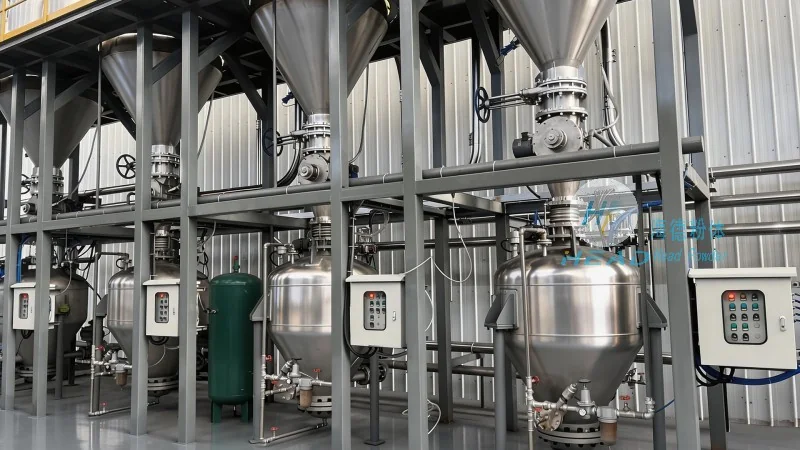
Pneumatic conveying is a method of transporting bulk materials, such as powders and granules, using a stream of pressurized air or vacuum. In the context of potato starch, this technology ensures efficient, dust-free, and safe material transfer. The process involves feeding the powder into a pipeline, where it is carried by the air flow to the destination point. This approach eliminates the need for mechanical components like belts or buckets, reducing maintenance and operational costs.
Types of Pneumatic Conveying Systems
There are primarily two categories of pneumatic conveying systems: pressure and vacuum. Pressure systems use compressed air to push the material through the pipeline, while vacuum systems employ a vacuum to draw the material. For potato starch, pressure systems are often preferred due to their ability to handle high material loads and maintain consistent flow rates. Additionally, there are variations like dilute-phase and dense-phase conveying. Dilute-phase systems use high air velocities to keep the material suspended, suitable for long-distance transport. Dense-phase systems, on the other hand, use lower air velocities to create a slurry-like flow, which is ideal for delicate or abrasive materials like potato starch to prevent degradation.
Applications in the Food Industry
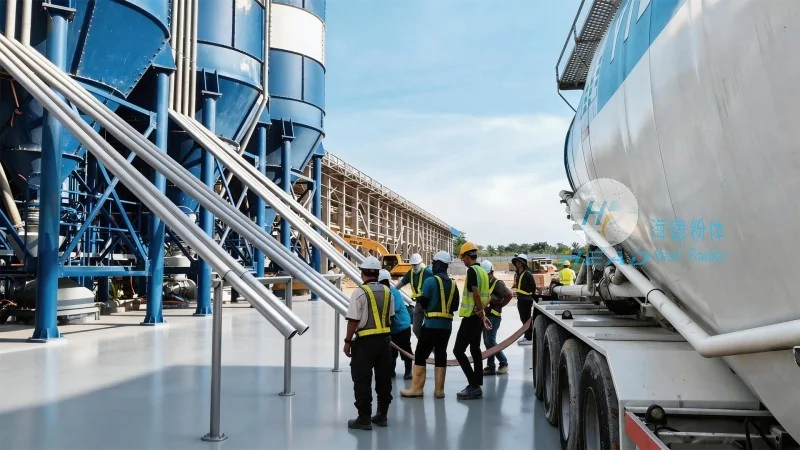
Potato starch is widely used in the food industry for thickening, stabilizing, and texturing products. Pneumatic conveying plays a crucial role in processing facilities by efficiently moving starch from storage silos to processing lines. This technology ensures that the starch remains in its optimal condition, free from contamination and moisture absorption. For example, in a potato starch processing plant, the system can transport the starch from a storage tank to a mixing unit, maintaining the product's purity and quality throughout the process.
Advantages of Pneumatic Conveying for Potato Starch
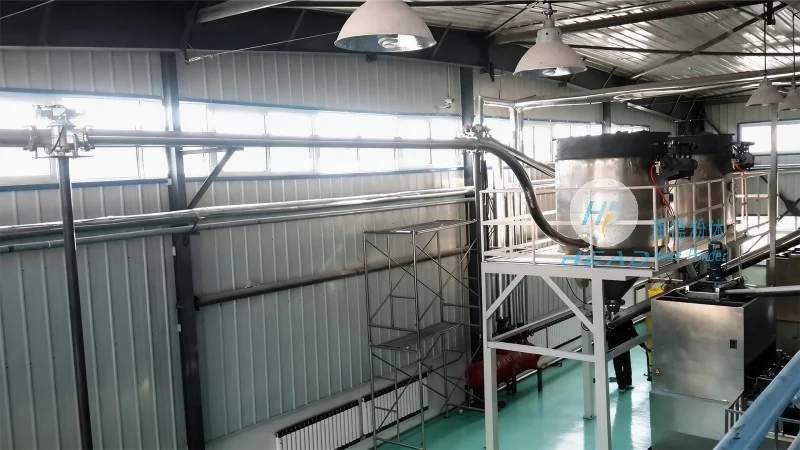
Implementing pneumatic conveying for potato starch offers several benefits. Firstly, it provides a dust-free environment, which is critical in food processing to meet hygiene standards. Secondly, the system is highly efficient, with minimal material loss and reduced downtime. Thirdly, it allows for flexible layout designs, as the pipeline can be installed in various configurations without the need for complex machinery. Lastly, the technology is scalable, making it suitable for both small-scale and large-scale production facilities.
Challenges and Solutions
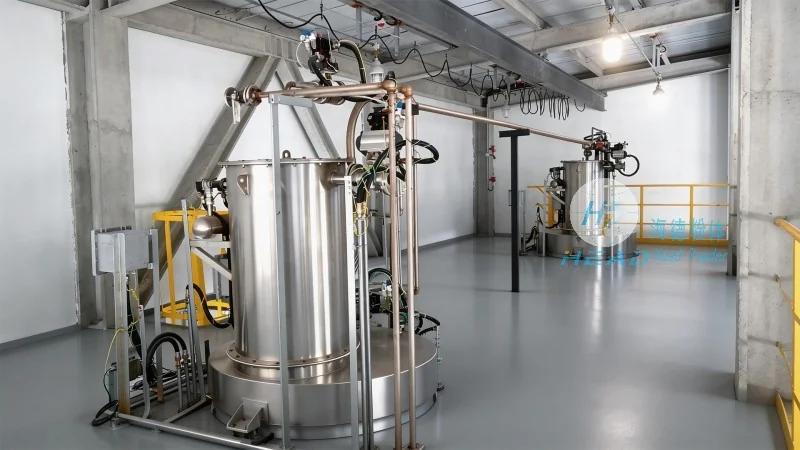
While pneumatic conveying is advantageous, it also presents challenges. One common issue is the risk of material degradation due to high air velocities or excessive pressure. To mitigate this, dense-phase conveying is often used, which reduces the velocity and maintains a stable flow. Another challenge is the potential for pipeline blockages, especially with fine powders like potato starch. Regular maintenance and the use of filters are essential to prevent clogging and ensure smooth operation. HeadPowder addresses these challenges through advanced system design and quality control measures.
Conclusion
HeadPowder's expertise in pneumatic conveying systems ensures that potato starch is handled efficiently and safely. By understanding the different types of conveying systems and their applications, industries can optimize their material handling processes. The company's commitment to quality and innovation makes it a reliable partner for businesses seeking to enhance their potato starch processing capabilities. With a focus on tailored solutions, HeadPowder continues to support the food industry in achieving efficient and hygienic material transport.