

What is Slurry Air Conveying? Classification and Applications of Air Conveying Systems
Slurry air conveying, also known as pneumatic conveying, is a method used to transport bulk materials in a fluidized state. This technology involves the use of air or other gases to move powders, granules, or other particulate materials through a pipeline system. The process is widely utilized in various industries due to its efficiency and ability to handle a wide range of materials. HeadPowder, a leading provider of material handling solutions, specializes in the design and implementation of slurry air conveying systems. With years of experience in the industry, HeadPowder has developed expertise in tailoring these systems to meet the specific requirements of different applications.
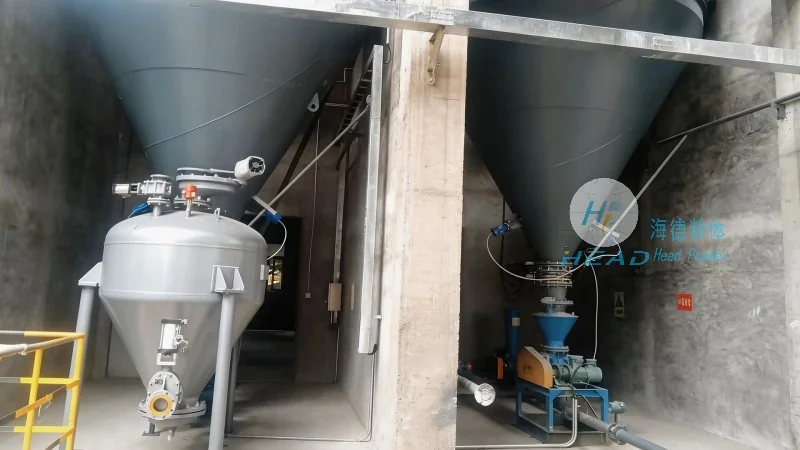
Key Components of Slurry Air Conveying Systems
Effective slurry air conveying systems typically consist of several critical components that work in tandem to ensure smooth material transport. These components include a material feed hopper, a conveyor line (often equipped with a pressure vessel or air compressor), a control system for air flow regulation, and a discharge mechanism at the receiving end. The feed hopper is responsible for storing and feeding the material into the system, while the conveyor line provides the necessary pressure and airflow to move the slurry through the pipeline. The control system ensures that the air pressure and flow rate are maintained at optimal levels, preventing issues such as blockages or uneven material distribution. The discharge mechanism, on the other hand, allows the material to be released at the desired location, completing the conveying process.
Classification of Air Conveying Systems
Slurry air conveying systems can be classified based on several factors, including the pressure used, the type of material being conveyed, and the operational characteristics. The primary classifications include low-pressure, medium-pressure, and high-pressure systems. Low-pressure systems operate at pressures below 0.5 bar and are suitable for light materials with low dust generation. Medium-pressure systems operate between 0.5 and 2 bar and are commonly used for moderate material loads and longer conveying distances. High-pressure systems, which operate above 2 bar, are designed for heavy materials, high dust content, or long-distance transport. Another classification is based on the material's behavior during transport, such as dilute phase, dense phase, or vacuum systems. Dilute phase systems use high air velocities to keep the material suspended in the air, making them ideal for fine powders and short distances. Dense phase systems, also known as pulse or low-velocity systems, use lower air velocities to move material in a more compact form, reducing wear on the pipeline and improving material handling for abrasive or sensitive materials. Vacuum systems, as the name suggests, use a vacuum to draw material from the source to the destination, making them suitable for applications where material needs to be moved against gravity or over short vertical distances.
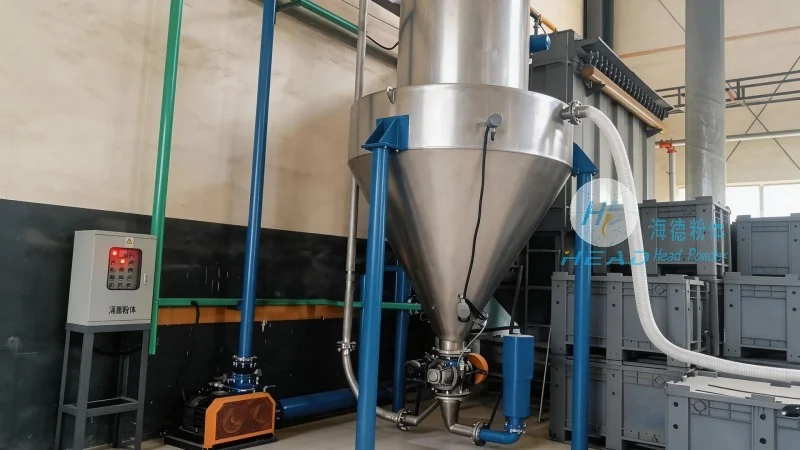
Applications of Slurry Air Conveying in Industrial Settings
Slurry air conveying technology finds extensive applications across various industrial sectors. In the chemical industry, it is used to transport powders and granules for processes such as mixing, blending, and packaging. The ability to handle fine powders without generating excessive dust makes it a preferred choice for pharmaceutical and food processing applications. In the mining and mineral processing industry, slurry air conveying is employed to transport ore, tailings, and other bulk materials from processing plants to storage or disposal sites. The system's ability to handle abrasive materials and long distances makes it highly efficient for these operations. The cement industry also utilizes slurry air conveying for transporting raw materials, such as limestone and clay, to the production facilities. Additionally, in the agricultural sector, it is used for the transport of fertilizers and other bulk agricultural products. The versatility of slurry air conveying systems allows them to adapt to the specific needs of different industries, making it a reliable solution for material handling challenges.
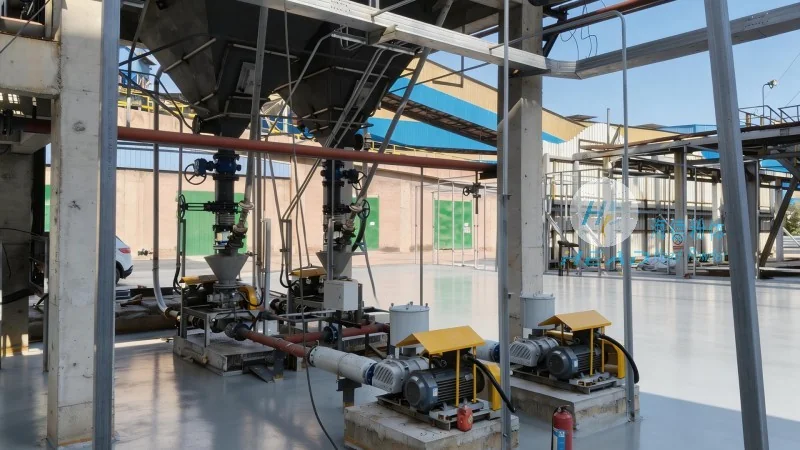
Advantages and Considerations of Slurry Air Conveying
Slurry air conveying offers several advantages over traditional mechanical conveying methods. One of the key benefits is the ability to handle a wide variety of materials, including fine powders, granules, and even wet or sticky materials. The system is also relatively compact and can be installed in confined spaces, making it suitable for facilities with limited floor space. Additionally, it reduces the need for manual handling, improving workplace safety and reducing labor costs. However, there are also considerations to keep in mind when implementing slurry air conveying systems. The initial investment can be higher compared to other conveying methods, and the system requires regular maintenance to ensure optimal performance. Furthermore, the selection of the appropriate system type depends on factors such as material characteristics, conveying distance, and environmental regulations. Proper sizing of the air compressor and pipeline is crucial to avoid issues such as pressure drops or material blockages. Regular cleaning and maintenance of the system components, including filters and valves, are also essential to prevent clogging and ensure long-term reliability.
Conclusion: The Role of Slurry Air Conveying in Modern Material Handling
Slurry air conveying is a vital technology in modern material handling, offering efficient and flexible solutions for transporting bulk materials. By understanding the different classifications and applications of air conveying systems, industries can select the most suitable method for their specific needs. The continuous advancements in technology have further enhanced the capabilities of slurry air conveying systems, making them more reliable and cost-effective. As industries continue to evolve, the demand for efficient material handling solutions will remain high, and slurry air conveying will continue to play a significant role in meeting these demands. With proper design, installation, and maintenance, slurry air conveying systems can provide long-term benefits and contribute to the overall productivity and sustainability of industrial operations.