

Types and Practical Applications of Pneumatic Conveying Systems for Perlite Transport
Perlite, a lightweight, porous volcanic glass, is widely used in construction, insulation, and industrial applications due to its excellent thermal and acoustic properties. The efficient transport of perlite from storage to processing facilities is critical for maintaining production efficiency and product quality. Pneumatic conveying systems have emerged as a reliable solution for handling perlite, offering advantages such as dust control, reduced labor costs, and the ability to transport materials over long distances. This article explores the types of pneumatic conveying systems commonly used in perlite transport and their practical applications.
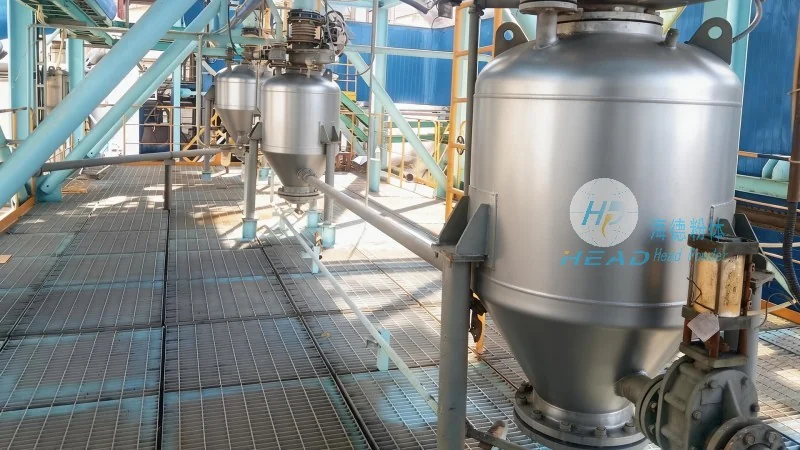
Introduction to Pneumatic Conveying Systems in Perlite Handling
Pneumatic conveying systems utilize air or gas to transport bulk materials like perlite through a pipeline. These systems are categorized based on the pressure differential between the conveying line and the ambient environment. The choice of system depends on factors including the distance between the source and destination, the required material flow rate, and the need for dust containment. For perlite, which is a fine, lightweight powder, selecting the appropriate system is essential to prevent material degradation and ensure consistent performance.
Types of Pneumatic Conveying Systems for Perlite Transport
There are primarily two types of pneumatic conveying systems used in perlite transport: positive pressure (pressure) systems and negative pressure (suction) systems. Each type has distinct characteristics and is suited for different operational scenarios.
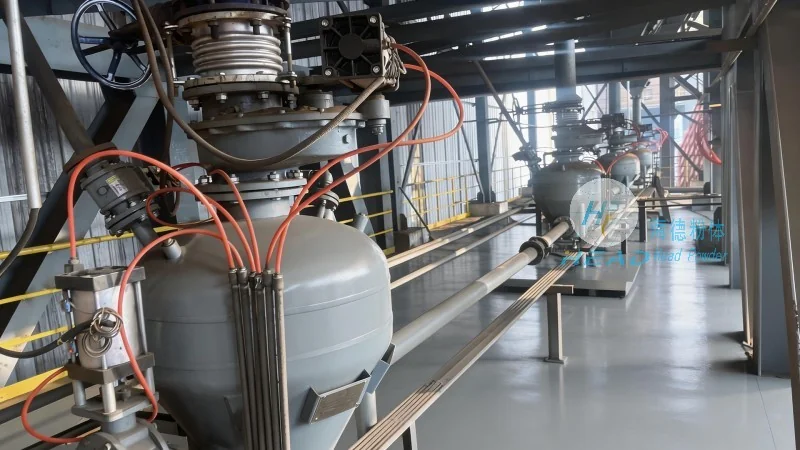
Positive Pressure Conveying Systems
Positive pressure systems operate by blowing air or gas into the conveying line, creating a pressure higher than the ambient air pressure. This method is ideal for long-distance transport and applications requiring multiple discharge points. The system typically includes a blower, a hopper for material storage, and a series of pipelines with valves and filters. Positive pressure systems are effective for transporting perlite from silos to processing equipment or for distributing it to various parts of a manufacturing facility. They are also suitable for handling materials that are prone to caking or require gentle handling to maintain particle integrity.
Negative Pressure Conveying Systems
Negative pressure systems, also known as suction or vacuum systems, operate by creating a vacuum in the conveying line, drawing material from the source into the system. This approach is commonly used for short to medium distance transport and is particularly effective when the material needs to be collected from multiple points or when dust control is a priority. The system consists of a vacuum pump, a hopper, and a collection point. Negative pressure systems are beneficial for perlite transport in environments where dust emissions must be minimized, such as in indoor processing facilities or when transporting material through existing structures.
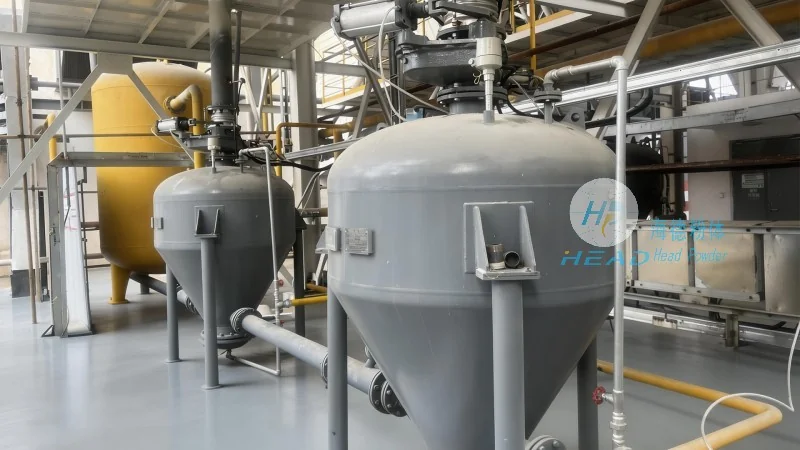
Mixed or Hybrid Systems
Hybrid systems combine elements of both positive and negative pressure systems to leverage the advantages of each. For instance, a system might use a positive pressure blower to transport material from a central silo to a processing plant, while a negative pressure section is used to collect material from a secondary source or to handle material that requires gentle handling. This flexibility allows for more complex material handling scenarios, such as transporting perlite from multiple storage locations to a single processing line.
Practical Applications and Operational Considerations
Pneumatic conveying systems for perlite are widely implemented in various industrial settings. In the production of perlite-based insulation products, these systems are used to transport raw perlite from storage silos to mixing and processing equipment. The consistent flow of material ensures that the insulation products maintain uniform density and thermal properties. In construction applications, perlite is often used as a lightweight aggregate in concrete and plaster, and pneumatic conveying systems facilitate the efficient delivery of perlite to job sites or to mixing plants.
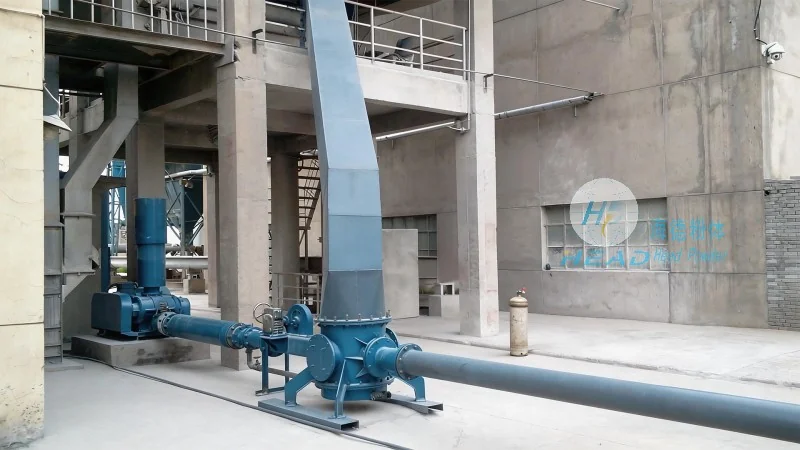
Operational considerations for perlite pneumatic conveying systems include material properties, such as particle size and moisture content, which can affect system performance. Proper filtration is crucial to prevent clogging of the pipeline and to maintain air quality. Regular maintenance of the blower and pipeline components is also essential to ensure long-term system efficiency and reliability. Additionally, the system design must account for the potential for material buildup in the pipeline, which can lead to reduced flow rates and increased energy consumption.
About Shandong HeadPowder Engineering Co., Ltd.
Shandong HeadPowder Engineering Co., Ltd., a leading provider of bulk material handling solutions, specializes in designing and manufacturing pneumatic conveying systems tailored to the needs of the perlite industry. With a focus on innovation and customer satisfaction, the company offers customized solutions that enhance operational efficiency and product quality. HeadPowder's expertise in material handling technology ensures that perlite is transported safely and effectively, meeting the demands of modern industrial applications. The company's facilities are located in Shandong, China, providing a strategic base for serving clients globally.