

What is High-Calcium Powder Pneumatic Conveying? Classification and Applications of Pneumatic Convey
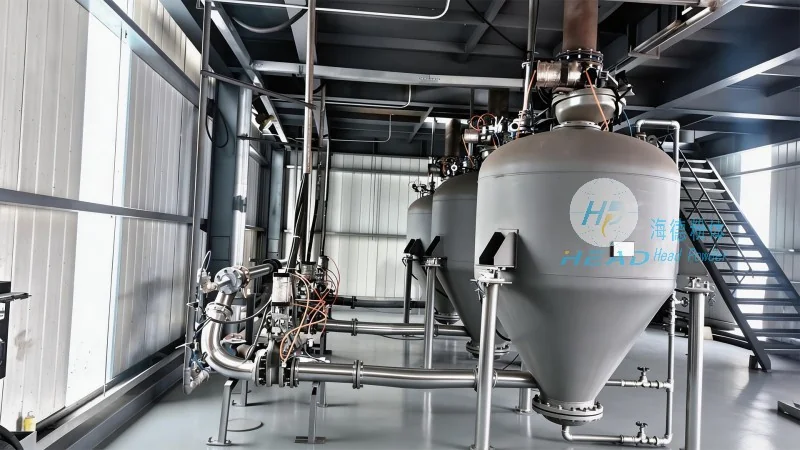
High-calcium powder pneumatic conveying is a critical industrial process used for transporting fine powders, such as those containing high calcium content, through a pipeline using air or gas as the conveying medium. This method offers numerous advantages over traditional mechanical conveying systems, including reduced material degradation, improved safety, and enhanced process control. Understanding the principles, classifications, and practical applications of this technology is essential for industries dealing with sensitive or high-value powders.
Introduction to High-Calcium Powder Pneumatic Conveying
High-calcium powders, often derived from limestone or other calcium-rich minerals, are widely used in various industries, including construction, pharmaceuticals, and food processing. These powders are characterized by their fine particle size and high reactivity, making conventional conveying methods like belt or screw conveyors unsuitable due to the risk of material degradation, blockages, and dust generation. Pneumatic conveying provides a solution by transporting the powder in a sealed system, minimizing exposure to air and preventing contamination or loss of product quality.
How Pneumatic Conveying Works
The fundamental principle of pneumatic conveying involves creating a pressure differential between the source and destination of the material. In positive pressure systems, air is forced into the conveying line, pushing the powder forward. In negative pressure (or vacuum) systems, air is drawn out of the line, creating a vacuum that pulls the powder along. For high-calcium powders, which may have cohesive properties, specialized equipment like rotary valves, feeders, and pulse jet filters is often employed to ensure smooth and efficient transport. The choice between positive and negative pressure depends on factors such as material characteristics, system layout, and required throughput.
Classification of Pneumatic Conveying Systems
Pneumatic conveying systems are typically classified based on the pressure used and the direction of material flow. The two main categories are:
Positive Pressure Systems
Positive pressure systems operate by blowing air into the conveying line, creating a pressure higher than the ambient air. This method is suitable for transporting materials over longer distances and at higher capacities. Common types include pressure dilute phase and pressure dense phase systems. The dilute phase system uses high air velocities to keep the powder suspended, while the dense phase system uses lower velocities to form a slurry-like flow, reducing particle impact and minimizing wear on the system components.
Negative Pressure (Vacuum) Systems
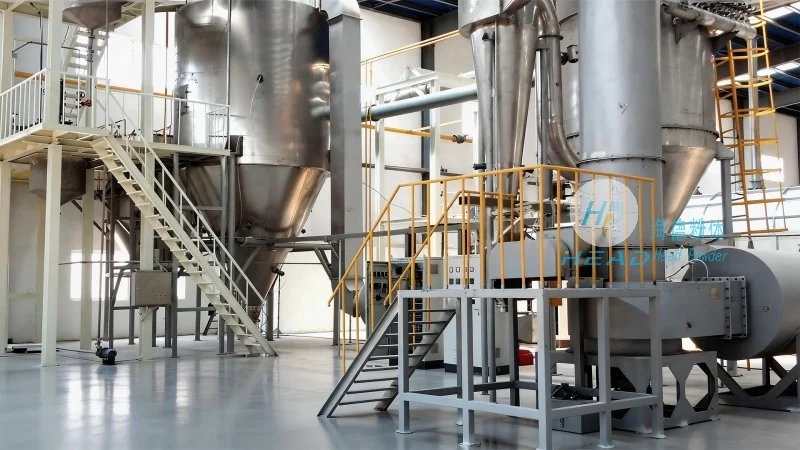
Negative pressure systems create a vacuum in the conveying line, drawing the material from the source. This approach is ideal for applications requiring material to be transported from a higher elevation to a lower one or for handling materials that are sensitive to air exposure. Vacuum systems are often used in combination with dust collection equipment, such as cyclones or bag filters, to ensure environmental compliance and product purity.
Applications of High-Calcium Powder Pneumatic Conveying
High-calcium powder pneumatic conveying is widely applied across multiple industries due to its versatility and efficiency. Some key applications include:
Construction and Building Materials
In the construction industry, high-calcium powders are used as raw materials for cement production and as additives in concrete mixes. Pneumatic conveying enables the efficient transport of these powders from storage silos to production lines, ensuring consistent quality and reducing downtime. The technology is particularly beneficial for transporting limestone, which is a primary component in cement manufacturing, as it minimizes dust and prevents material degradation during handling.
Pharmaceutical and Food Industries
Pharmaceutical and food processing industries require stringent hygiene and contamination control measures. Pneumatic conveying is used to transport high-calcium powders, such as calcium carbonate, which are used as fillers or supplements in drug formulations and food products. The sealed system prevents cross-contamination and maintains product integrity, meeting regulatory standards for safety and quality.
Industrial Chemicals
High-calcium powders are also utilized in the production of industrial chemicals, including calcium chloride and calcium hydroxide. Pneumatic conveying systems are employed to transport these materials from storage tanks to processing equipment, ensuring a continuous and controlled supply. The technology helps maintain the purity of the chemicals by preventing moisture absorption and oxidation during transport.
Advantages of High-Calcium Powder Pneumatic Conveying
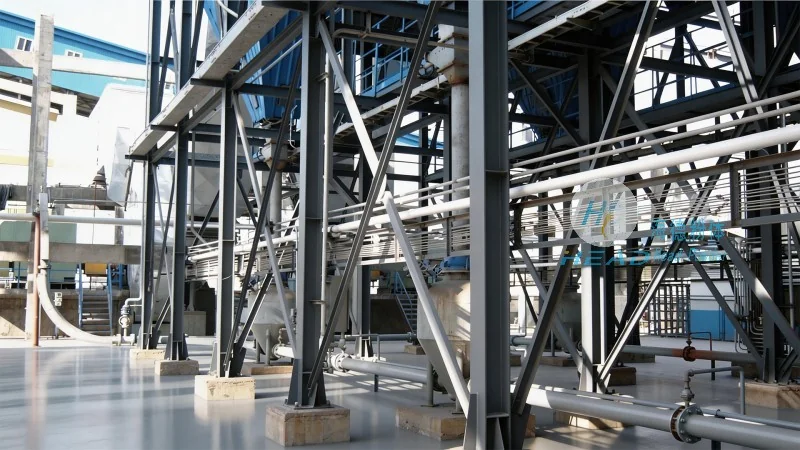
Compared to traditional conveying methods, high-calcium powder pneumatic conveying offers several advantages that make it a preferred choice for many industries:
Reduced Material Degradation
Since the powder is transported in a sealed system, it is protected from air, moisture, and mechanical impact. This reduces the risk of agglomeration, caking, or loss of product quality, which is critical for high-calcium powders that are often sensitive to environmental factors.
Enhanced Safety and Environmental Control
Pneumatic conveying systems are enclosed, eliminating the risk of dust explosions and minimizing airborne particulate emissions. This is particularly important for high-calcium powders, which may be hazardous if released into the environment. The sealed system also prevents product contamination and ensures compliance with environmental regulations.
Improved Process Control and Flexibility
Modern pneumatic conveying systems are equipped with advanced control technologies, allowing for precise control of material flow rates, pressure, and temperature. This enables manufacturers to optimize production processes, reduce waste, and adapt to changing production demands. The flexibility of the system also allows for easy integration with other industrial equipment, such as mixers, reactors, and packaging machines.
Challenges and Solutions in High-Calcium Powder Pneumatic Conveying
While pneumatic conveying offers significant benefits, it also presents challenges that must be addressed to ensure optimal performance. Some common issues include:
Material Cohesion and Blockages
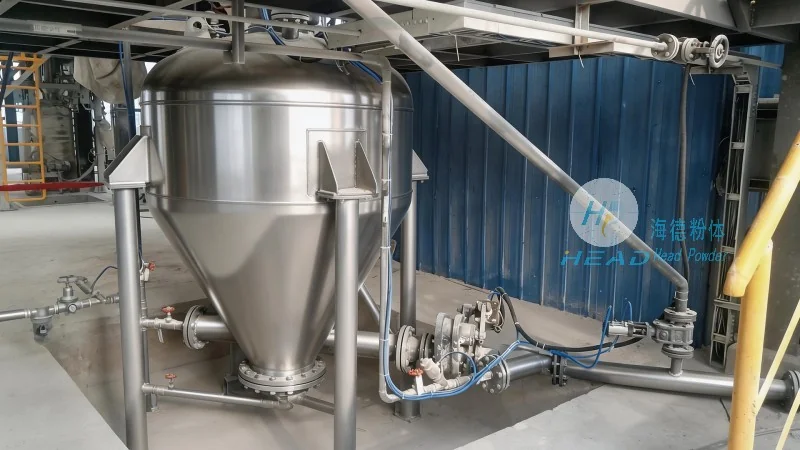
High-calcium powders may exhibit cohesive properties, leading to blockages in the conveying line or at the discharge point. To mitigate this, specialized equipment such as rotary valves, airlocks, and pulse jet filters is used. These devices help break up agglomerates and maintain a consistent flow of material. Additionally, proper system design, including adequate air velocities and pipeline sizing, is crucial to prevent blockages.
System Maintenance and Wear
Pneumatic conveying systems involve moving parts and components that are exposed to abrasive materials, leading to wear and tear over time. Regular maintenance, including cleaning, lubrication, and replacement of worn parts, is essential to ensure system reliability and longevity. Using high-quality materials, such as stainless steel or special alloys, for system components can also reduce wear and extend the system's lifespan.
Energy Consumption
Compared to mechanical conveying systems, pneumatic conveying can be more energy-intensive, especially for long-distance or high-capacity applications. However, advancements in system design, such as the use of energy-efficient blowers and optimized pipeline layouts, have helped reduce energy consumption. Additionally, the benefits of reduced material degradation and improved safety often outweigh the increased energy costs.
Conclusion
High-calcium powder pneumatic conveying is a sophisticated and effective method for transporting fine, calcium-rich powders in various industrial applications. By understanding the principles of pneumatic conveying, selecting the appropriate system classification, and addressing common challenges, industries can achieve efficient, safe, and cost-effective material handling. As technology continues to advance, pneumatic conveying systems are becoming more reliable and versatile, making them an essential component of modern industrial operations.