

What is Micropowder Pneumatic Conveying, Classification and Applications of Pneumatic Conveying
Micropowder pneumatic conveying is a core technology in material handling, especially for fine powders. This method transports powders through pipelines using air or other gases as the conveying medium. The process is widely used across industries due to its efficiency and ability to handle delicate materials without contamination. Understanding the principles, classifications, and practical applications of this technology is essential for optimizing material transport in industrial settings.
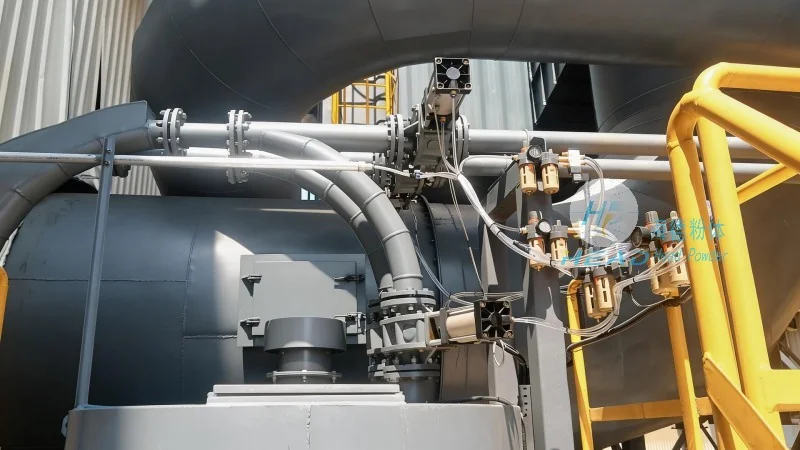
Key Characteristics of Micropowder Pneumatic Conveying
At Shandong HeadPowder Engineering Co., Ltd., we specialize in advanced pneumatic conveying solutions. The core characteristic of micropowder conveying is its ability to handle very fine particles, typically with a particle size below 100 microns. This requires specialized equipment to ensure efficient transport and prevent issues like clogging or particle degradation. The system operates by creating a pressure differential, where air is introduced into the material to form a fluidized bed, enabling smooth movement through the pipeline.
Classification of Pneumatic Conveying Systems
Pneumatic conveying systems are broadly classified into two main categories: pressure and vacuum systems. Pressure systems use compressed air to push the material through the pipeline, while vacuum systems use a vacuum to pull the material. Within these categories, there are further subtypes based on the pressure levels and application requirements. For micropowders, pressure systems are often preferred as they provide better control over particle flow and reduce the risk of dust accumulation. The choice of system depends on factors such as the material's properties, the distance to be conveyed, and the required flow rate.
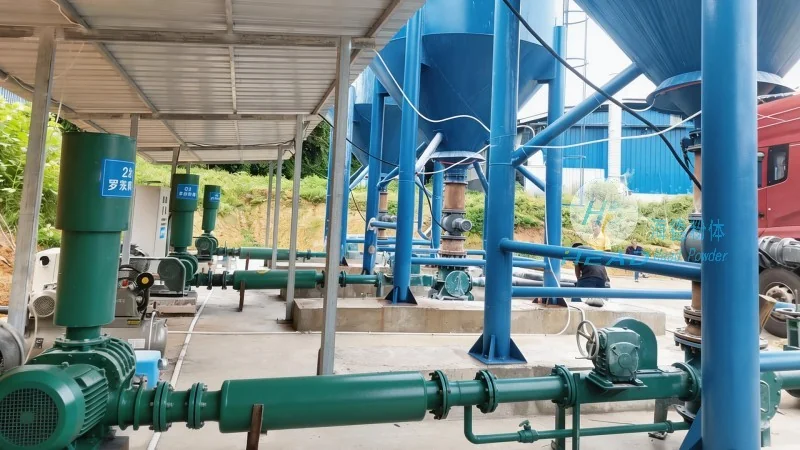
Applications of Micropowder Pneumatic Conveying
The applications of micropowder pneumatic conveying are diverse and critical in many industrial processes. In the pharmaceutical industry, it is used for transporting active pharmaceutical ingredients (APIs) and excipients, ensuring sterile and contamination-free handling. In the food industry, it is employed for conveying spices, powders, and other food additives, maintaining product quality and safety. The chemical industry also relies on this technology for transporting fine chemicals, pigments, and catalysts. Additionally, in the manufacturing sector, it is used for conveying raw materials to production lines, improving operational efficiency and reducing downtime.
Advantages of Using Micropowder Pneumatic Conveying
There are several advantages to implementing micropowder pneumatic conveying systems. One of the primary benefits is the ability to handle delicate and sensitive materials without damage. The enclosed system prevents contamination from external sources, which is crucial in industries like pharmaceuticals and food processing. Another advantage is the flexibility in system design, allowing customization based on specific material and operational needs. The technology also offers high throughput and can be integrated with other processing equipment, enhancing overall production efficiency. Furthermore, it reduces labor costs associated with manual handling and minimizes the risk of workplace accidents related to dust exposure.
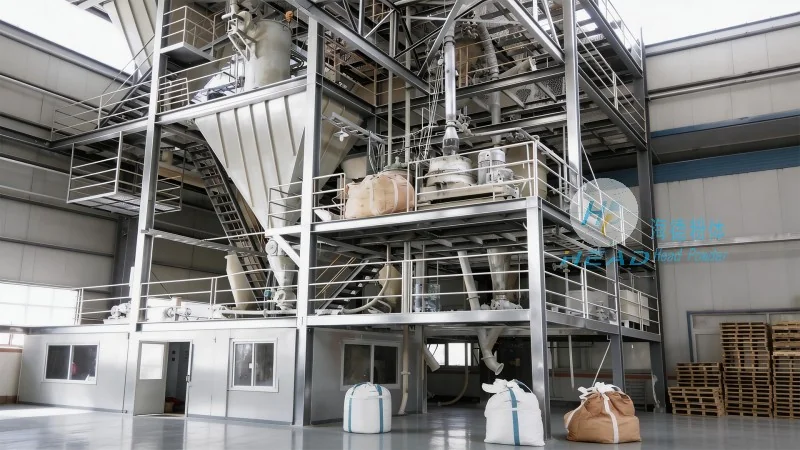
Challenges and Solutions in Micropowder Pneumatic Conveying
Despite its benefits, micropowder pneumatic conveying faces challenges such as clogging, particle segregation, and system maintenance. Clogging occurs when fine particles accumulate in the pipeline, leading to reduced flow or system failure. To mitigate this, advanced equipment like rotary valves and filter systems are used to maintain consistent particle flow. Particle segregation, where different particle sizes separate during transport, can affect product quality. Solutions include using mixers and agitators to ensure uniform particle distribution before conveying. Regular maintenance, including cleaning and inspection of components, is essential to prevent long-term issues and ensure system longevity.
Conclusion and Company Overview
Micropowder pneumatic conveying is a vital technology for efficient and safe material handling in various industries. At Shandong HeadPowder Engineering Co., Ltd., we provide comprehensive solutions tailored to the unique needs of our clients. Our expertise in designing and implementing advanced pneumatic conveying systems ensures optimal performance and reliability. By leveraging our knowledge and experience, we help industries improve their operational efficiency, reduce costs, and enhance product quality. Whether for pharmaceutical, food, or chemical applications, our systems are designed to meet the highest standards of performance and safety.