

What is a Negative Pressure Dilute Phase Pneumatic Conveying System? And What Are Its Design Princip
HeadPowder, a leading engineering firm based in Shandong, China, specializes in the design and manufacturing of advanced pneumatic conveying systems. This article delves into the concept of negative pressure dilute phase pneumatic conveying systems, explaining their operational principles and design considerations.
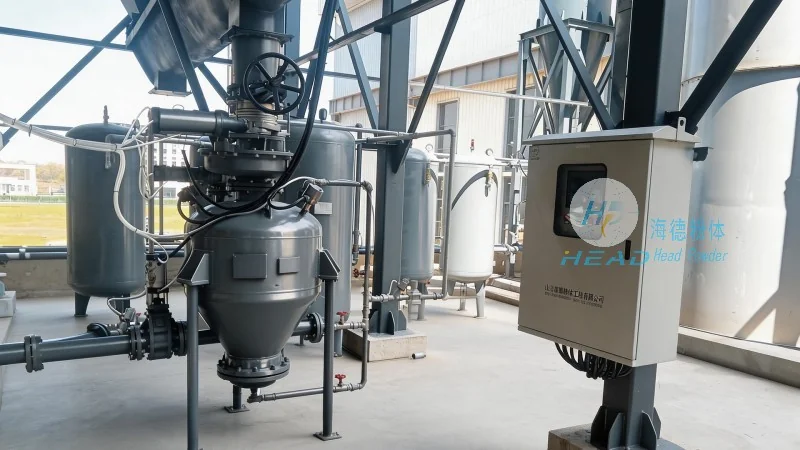
Understanding Negative Pressure Dilute Phase Pneumatic Conveying
A negative pressure dilute phase pneumatic conveying system is a method of transporting bulk materials through a pipeline using a stream of air or gas. Unlike positive pressure systems that force air through the material, negative pressure systems draw the material into the pipeline by creating a vacuum or reduced pressure at the receiving end. This approach is particularly effective for handling materials that are dusty, abrasive, or require minimal product degradation during transport.
Key Components and Operational Principles
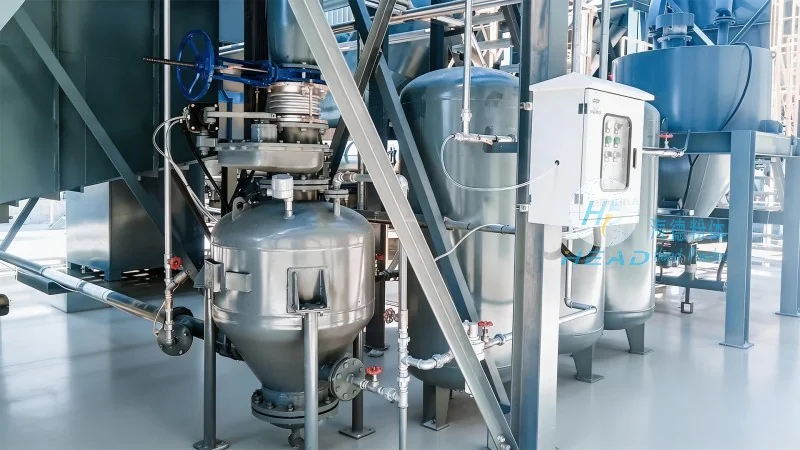
The core components of a negative pressure dilute phase system include a material feed hopper, a rotary airlock valve, a conveying pipeline, a dust collector, and a fan or blower. The process begins with the material being fed into the hopper, where it is then discharged into the pipeline via the rotary airlock valve. As the material enters the pipeline, the fan creates a negative pressure environment, drawing the material along with the air stream. The conveying pipeline is typically designed with a slight upward slope to ensure the material moves efficiently towards the receiving end. At the receiving end, a dust collector captures any airborne particles, while the material is discharged into a storage bin or processing unit.
Design Principles and Considerations
The design of a negative pressure dilute phase system involves several critical factors to ensure efficient and reliable operation. Material properties, such as particle size, density, and flowability, are primary considerations. For example, cohesive or fine materials may require additional equipment like a feeder or a pre-drying system to improve flow characteristics. The pipeline diameter and length are also crucial, as they directly impact the system's capacity and energy consumption. Engineers must calculate the required air velocity and pressure drop to maintain the material in a dilute phase, preventing blockages or excessive wear on components. Additionally, the system's layout must account for the need to minimize pressure losses and ensure consistent material flow, which may involve incorporating bends, valves, or expansion joints as necessary.
Advantages and Applications
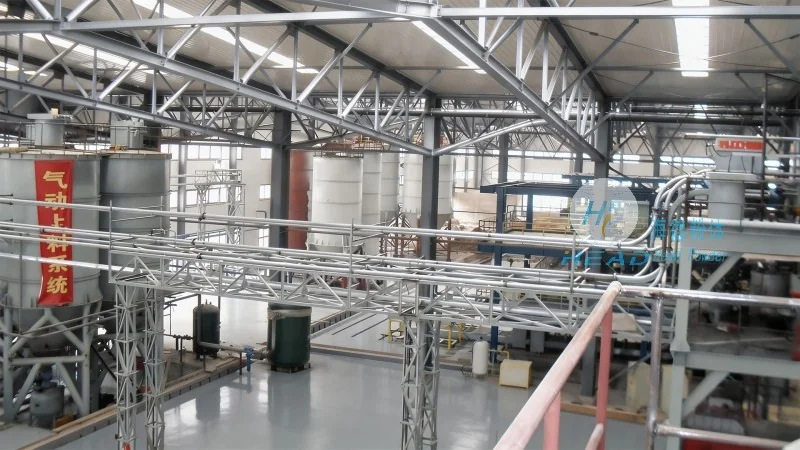
Negative pressure dilute phase systems offer several advantages over other conveying methods. They are ideal for transporting materials that are sensitive to moisture or temperature changes, as the system operates at lower temperatures and can be integrated with dust collection systems to maintain product quality. The low operating pressure also reduces the risk of material degradation and equipment wear, making it suitable for abrasive or corrosive materials. Common applications include the handling of powders, granules, and bulk solids in industries such as pharmaceuticals, food processing, chemical manufacturing, and mining. For instance, in the pharmaceutical industry, these systems are used to transport active ingredients and excipients with high precision and minimal contamination. In the food industry, they are employed to convey ingredients like flour, sugar, and spices, ensuring hygienic and efficient processing.
HeadPowder's Expertise in System Design
Shandong HeadPowder Engineering Co., Ltd., with its headquarters in Shandong, China, has established itself as a trusted provider of customized negative pressure dilute phase pneumatic conveying solutions. The company leverages advanced engineering techniques and extensive industry experience to design systems tailored to specific material and operational requirements. HeadPowder's team of experts works closely with clients to assess their material characteristics, process needs, and budget constraints, ensuring the final system meets all performance and safety standards. The company's commitment to quality and innovation is reflected in its use of high-grade materials, robust construction, and rigorous testing protocols. By focusing on the unique challenges of each project, HeadPowder delivers systems that are not only efficient but also durable and cost-effective, providing long-term value to its clients.