

What is Vacuum Material Loading Pneumatic Conveying Equipment? What are its Design Principles?
For industries dealing with bulk materials, efficient and reliable material handling is crucial. Vacuum material loading pneumatic conveying equipment offers a solution to transport powders, granules, and other dry materials from one location to another without the need for mechanical components like belts or buckets. This equipment operates by creating a vacuum in the system, which draws the material from the source to the destination. Understanding its functionality and design principles is essential for selecting the right equipment for specific applications.
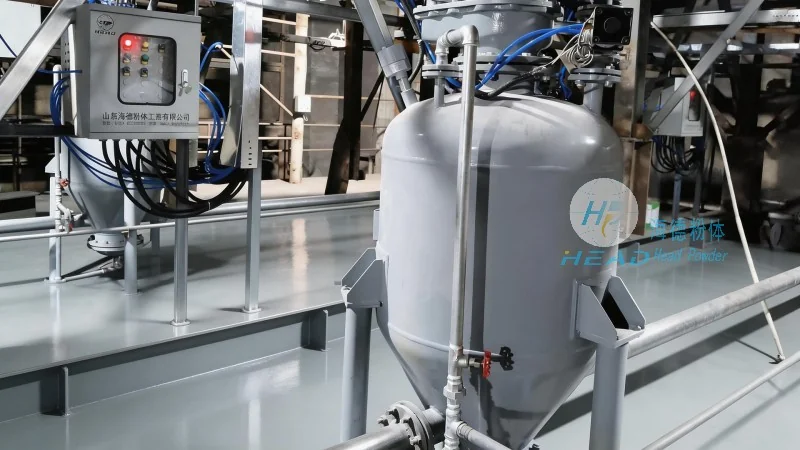
About HeadPowder: Your Trusted Provider of Pneumatic Conveying Solutions
HeadPowder, or Shandong HeadPowder Engineering Co., Ltd., is a leading manufacturer specializing in the design, development, and production of advanced pneumatic conveying systems. With a focus on innovation and quality, the company has established itself as a trusted partner for businesses seeking efficient material handling solutions. HeadPowder's products are engineered to meet the diverse needs of various industries, ensuring durability, performance, and compliance with industry standards. The company's headquarters is located in Shandong, China, where it leverages local expertise and resources to deliver high-quality equipment.
The Design Principles of Vacuum Material Loading Systems
The core of vacuum material loading equipment lies in its ability to create a pressure differential that moves material through a pipeline. The system typically consists of a vacuum pump, a material loading hopper, a conveying line, and a receiving vessel. The vacuum pump generates a negative pressure in the system, which draws the material from the loading hopper into the conveying line. As the material is drawn, it is mixed with air, forming a slurry that travels through the pipeline to the receiving vessel. The design of the system must consider several factors to ensure optimal performance, including the type of material being conveyed, the distance and height of the transfer, and the required flow rate.
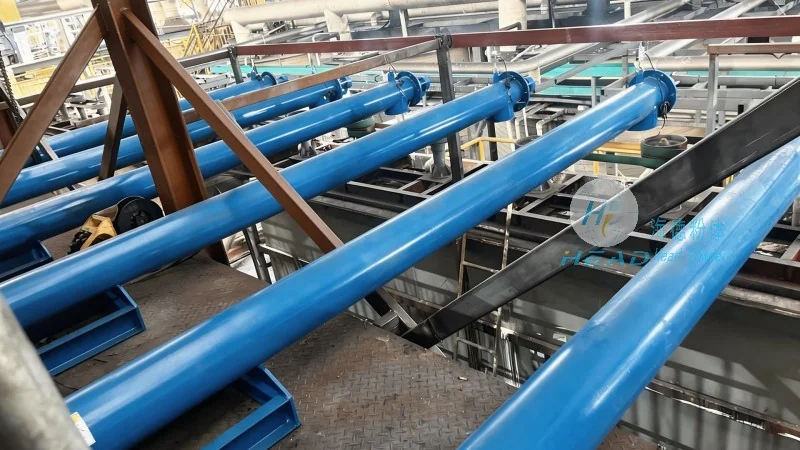
Key components of the vacuum material loading system include the vacuum pump, which provides the necessary suction force. The pump's capacity and efficiency directly impact the system's performance. The material loading hopper is designed to collect the material and feed it into the conveying line. The hopper's design, such as the use of a rotary valve or a screw feeder, ensures a consistent flow of material. The conveying line, usually made of stainless steel or other corrosion-resistant materials, is designed to withstand the pressure and temperature of the material being conveyed. The receiving vessel collects the material at the destination and may include a filter or separator to remove any air or debris.
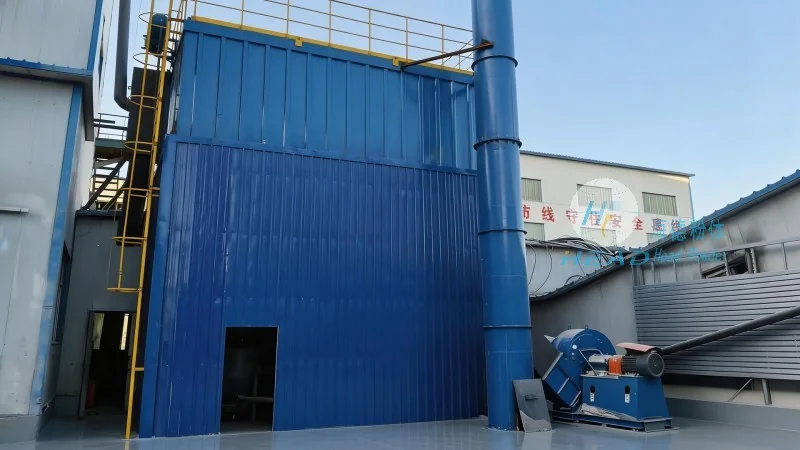
Advantages of Vacuum Material Loading Pneumatic Conveying Equipment
Compared to other material handling methods, vacuum material loading systems offer several advantages. One of the primary benefits is the ability to handle fine powders and granules without the risk of clogging or blockages. The vacuum system ensures that the material is transported smoothly through the pipeline, reducing the need for cleaning and maintenance. Another advantage is the flexibility of the system, which can be easily adapted to different material types and transfer distances. The equipment is also relatively low maintenance, as it has fewer moving parts compared to mechanical systems like belt conveyors. Additionally, vacuum systems are energy-efficient, as they use less power to operate compared to other conveying methods.
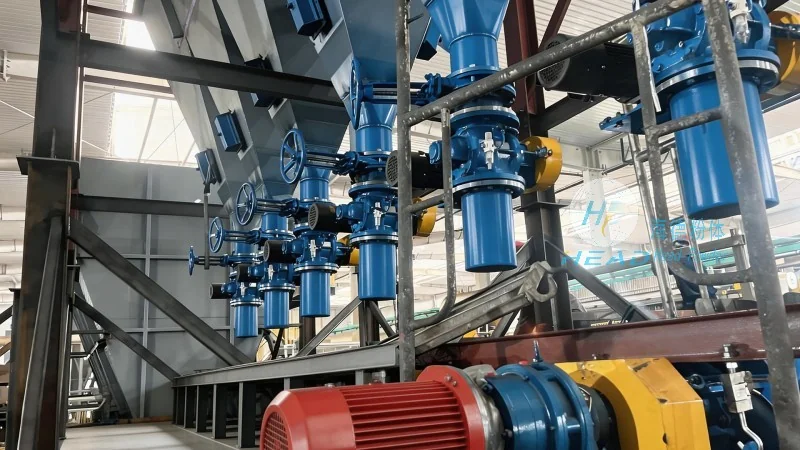
Applications of Vacuum Material Loading Equipment
Vacuum material loading pneumatic conveying equipment is widely used in various industries, including food processing, pharmaceuticals, chemicals, and mining. In the food industry, the equipment is used to transport ingredients like flour, sugar, and spices, ensuring a hygienic and efficient process. In the pharmaceutical industry, the system is used to handle powders and granules, maintaining the purity and quality of the products. In the chemical industry, the equipment is used to transport raw materials and finished products, reducing the risk of contamination and ensuring safety. In the mining industry, the system is used to transport minerals and ores from the mine to processing facilities, improving the efficiency of the operation.
Maintenance and Operational Considerations
Proper maintenance is essential to ensure the long-term performance and reliability of vacuum material loading equipment. Regular inspection of the vacuum pump and conveying line is necessary to detect any signs of wear or damage. The system should be cleaned regularly to prevent the buildup of material or debris, which can affect the performance. Additionally, the air filter should be checked and replaced as needed to maintain the system's efficiency. Operational considerations include monitoring the system's pressure and flow rate to ensure it is operating within the recommended parameters. Proper training of operators is also important to ensure the safe and efficient operation of the equipment.