

What is a Coal Gangue Lime Material Conveying Line? And What Are Its Design Principles?
Coal gangue and lime material conveying lines are critical components in industrial processing, particularly within the mining and processing sectors. These systems are engineered to efficiently transport bulk materials like coal gangue and lime, which are often byproducts or raw materials in various industrial applications. Understanding the functionality and design principles of such conveying lines is essential for optimizing material handling processes and enhancing operational efficiency.
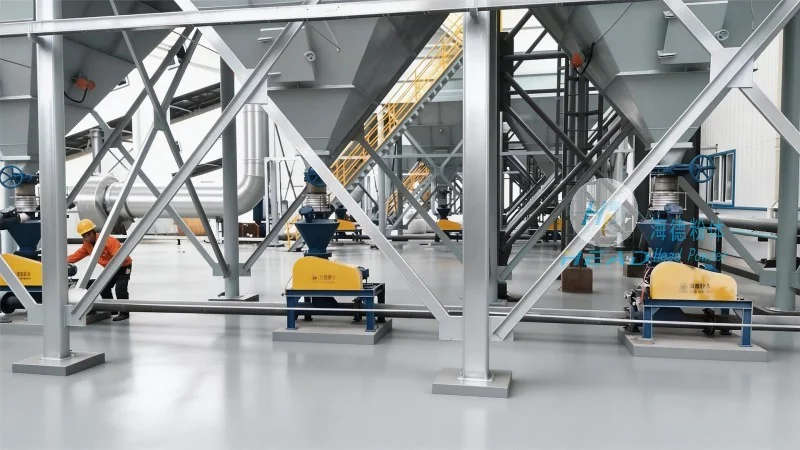
Introduction to Coal Gangue and Lime Material Conveying Lines
A coal gangue lime material conveying line is a specialized system designed to move large volumes of coal gangue and lime materials from one location to another within an industrial facility. Coal gangue, a byproduct of coal mining, and lime, a common industrial chemical, are both bulk materials that require reliable and efficient transportation solutions. The conveying line typically consists of various components, including feeders, conveyors, and control systems, all working in tandem to ensure smooth material flow.
Key Components of a Coal Gangue Lime Material Conveying Line
The design of a coal gangue lime material conveying line involves several key components that work together to achieve optimal performance. The primary components include:
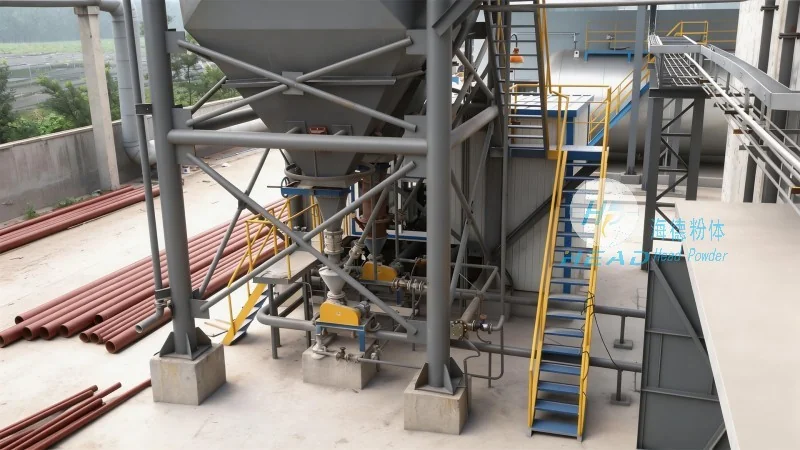
- Feeder: The feeder is responsible for uniformly feeding the bulk material into the conveyor system. It ensures a consistent flow rate, preventing overloading or underloading of the conveyor belt. For coal gangue and lime, which can have varying particle sizes and moisture content, a suitable feeder like a screw feeder or a belt feeder is often used.
- Conveyor Belt: The conveyor belt is the core component that transports the material horizontally or at an incline. It is typically made of durable materials such as rubber or PVC to withstand the abrasive nature of coal gangue and the chemical properties of lime. The belt is supported by rollers and idlers, which reduce friction and ensure smooth movement.
- Drive System: The drive system provides the necessary power to move the conveyor belt. It usually consists of a motor, gearbox, and pulleys. The motor converts electrical energy into mechanical energy, which is then transmitted to the conveyor belt through the gearbox and pulleys. The drive system is designed to handle the load and speed requirements of the conveying line.
- Control System: The control system monitors and regulates the operation of the conveying line. It includes sensors, controllers, and safety devices. Sensors detect the level of material in the hopper or the speed of the conveyor belt, while controllers adjust the feeder speed or motor power as needed. Safety devices, such as emergency stop buttons and overload protection, ensure the system operates safely and prevents damage to equipment.
- Hopper and Chute: The hopper is used to store the bulk material before it is fed into the conveyor system. It is designed to hold a sufficient quantity of material to maintain a steady flow. The chute is used to direct the material from the hopper to the feeder. The design of the hopper and chute is crucial to prevent material buildup and ensure smooth material flow.
Design Principles for Coal Gangue and Lime Material Conveying Lines
The design of a coal gangue lime material conveying line is based on several key principles to ensure efficiency, reliability, and safety. These principles include:
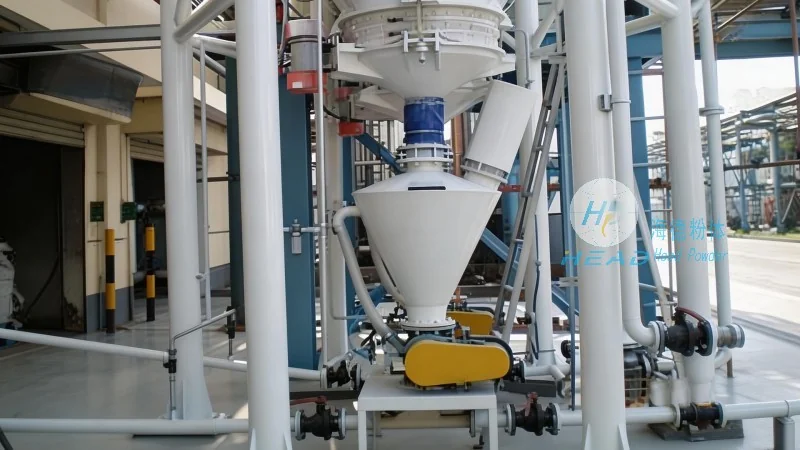
- Material Characteristics: The design must consider the physical and chemical properties of coal gangue and lime. Coal gangue is often abrasive and can have high moisture content, which can affect the wear rate of the conveyor components. Lime, on the other hand, can be caustic and may require special materials for the conveyor belt and components to prevent corrosion. The design must account for these characteristics to ensure the system's longevity and performance.
- Flow Rate and Capacity: The conveying line must be designed to handle the required flow rate and capacity of the material. The capacity is determined by the belt speed, width, and the angle of inclination. The flow rate is adjusted by the feeder speed, which is controlled by the control system. The design must ensure that the conveying line can meet the production requirements without overloading or underloading.
- Space Constraints: The design must consider the available space within the industrial facility. The conveying line may need to be installed in a confined area, which requires compact and efficient components. The layout of the system, including the length and angle of the conveyor belt, is optimized to fit within the available space while maintaining the required capacity and flow rate.
- Safety and Maintenance: The design incorporates safety features to protect operators and prevent accidents. These include emergency stop buttons, overload protection, and guards to prevent contact with moving parts. The system is also designed for easy maintenance, with accessible components and clear instructions for maintenance procedures. Regular maintenance is essential to ensure the conveying line operates efficiently and safely.
- Economic Considerations: The design takes into account the cost of the system and its long-term operation. The choice of materials, such as the conveyor belt and components, is based on a balance between cost and durability. The system is designed to minimize energy consumption and maintenance costs while maximizing operational efficiency. The overall cost of the conveying line is a key factor in its design and implementation.
Applications of Coal Gangue and Lime Material Conveying Lines
Coal gangue and lime material conveying lines are used in various industrial applications, including:
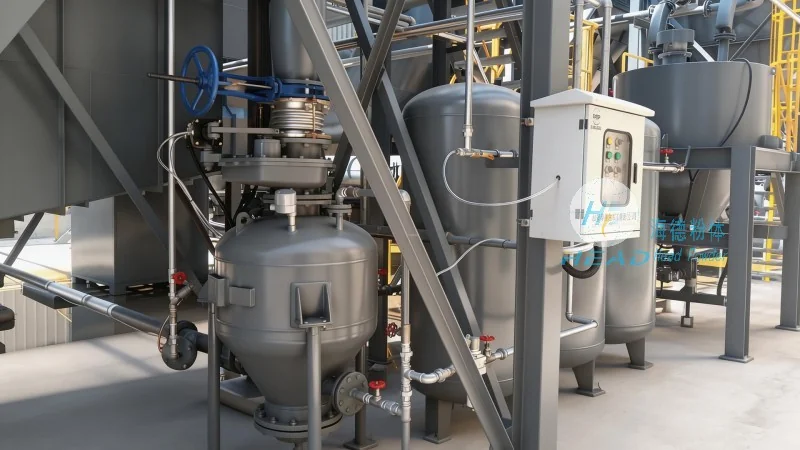
- Coal Processing: In coal mines, coal gangue is often transported from the mine to processing facilities or disposal sites. The conveying line is used to move the coal gangue efficiently and safely, reducing the need for manual handling and improving operational efficiency.
- Lime Production: In lime production plants, lime is transported from the kiln to storage or processing areas. The conveying line is used to move the hot lime from the kiln to the storage silos or to the next processing stage, ensuring a continuous flow of material.
- Industrial Processing: In various industrial processes, coal gangue and lime are used as raw materials or additives. The conveying line is used to transport these materials to the processing equipment, ensuring a steady supply of material for the production process.
- Environmental Applications: Coal gangue and lime are used in environmental applications, such as land reclamation and waste treatment. The conveying line is used to transport these materials to the treatment sites, ensuring efficient and safe handling of the materials.
Advantages of Using a Coal Gangue Lime Material Conveying Line
There are several advantages to using a coal gangue lime material conveying line for material handling:
- Efficiency: The conveying line is designed to move large volumes of material efficiently, reducing the time and labor required for material handling.
- Reliability: The system is designed to operate continuously with minimal downtime, ensuring a steady flow of material.
- Safety: The system incorporates safety features to protect operators and prevent accidents, reducing the risk of injuries and equipment damage.
- Cost-Effective: The conveying line is a cost-effective solution for material handling, as it reduces the need for manual labor and minimizes material loss.
- Customizable: The system can be customized to meet the specific requirements of the industrial facility, including the material characteristics, flow rate, and space constraints.
Conclusion
Coal gangue and lime material conveying lines are essential components in industrial processing, providing efficient and reliable transportation of bulk materials. The design of these systems is based on several key principles, including material characteristics, flow rate, space constraints, safety, and economic considerations. The system consists of several key components, including feeders, conveyor belts, drive systems, control systems, and hoppers. The conveying line is used in various industrial applications, including coal processing, lime production, and industrial processing. The advantages of using a coal gangue lime material conveying line include efficiency, reliability, safety, cost-effectiveness, and customizability. By understanding the functionality and design principles of such conveying lines, industrial facilities can optimize their material handling processes and enhance operational efficiency.