Graphite is a widely used material in various industrial applications due to its excellent electrical conductivity, thermal stability, and lubricating properties. When graphite is processed into crushed or powdered form, it often requires efficient and reliable material handling solutions. This is where a graphite crushed material conveyor line comes into play, designed to transport these materials safely and effectively. The following article explores the concept of such conveyor lines and the underlying design principles that make them functional.
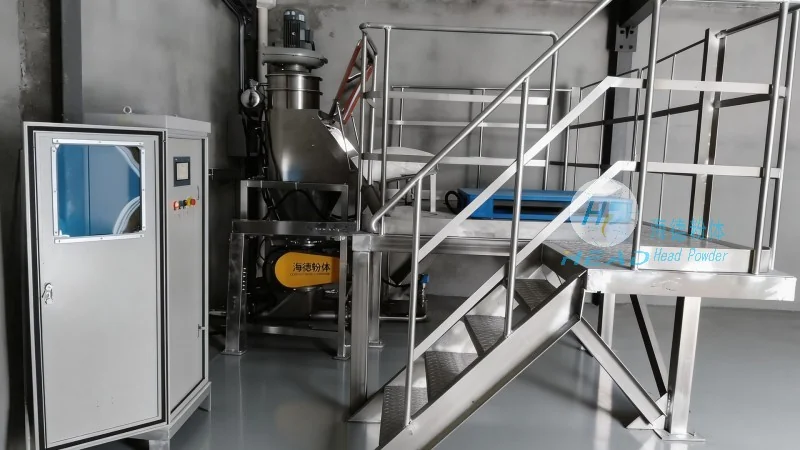
Introduction to Graphite Crushed Material Conveyor Lines
A graphite crushed material conveyor line is a specialized system engineered to transport graphite particles or fragments from one location to another within an industrial setting. These systems are crucial in processes like graphite processing, where the material needs to be moved from crushing or grinding stages to storage, packaging, or further processing steps. The design of these conveyor lines must consider the unique properties of graphite, such as its softness, tendency to stick to surfaces, and potential for dust generation, to ensure optimal performance and safety.
Understanding the Core Function of the Conveyor Line
The primary function of a graphite crushed material conveyor line is to facilitate the smooth and continuous movement of graphite particles. This involves several key operations, including loading, transporting, and unloading the material. The system typically consists of a conveyor belt or a series of rollers that move the graphite fragments along a defined path. The efficiency of the conveyor line directly impacts the overall productivity of the graphite processing plant, as any delays or inefficiencies can lead to bottlenecks and increased operational costs.
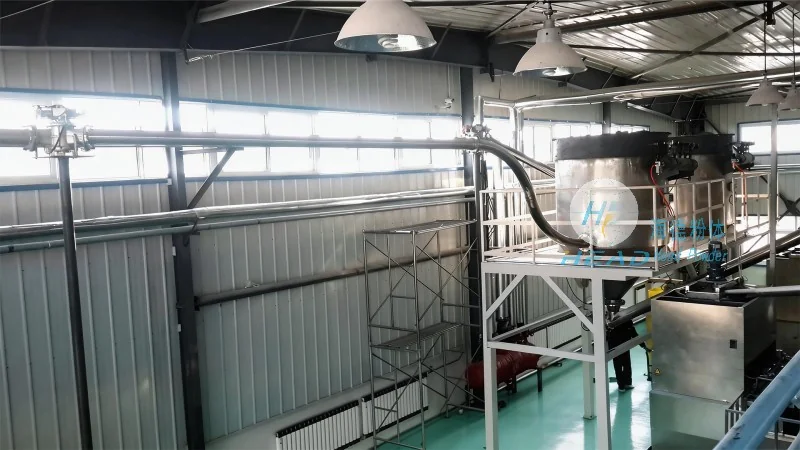
Design Principles Behind the Graphite Conveyor System
The design of a graphite crushed material conveyor line is guided by several fundamental principles aimed at maximizing performance, durability, and safety. One of the most critical design considerations is the material selection for the conveyor components. Since graphite is soft and can be abrasive, the conveyor belt or rollers must be made from materials that are resistant to wear and can handle the load without degrading. Common materials used include rubber, polyurethane, or specialized coatings that prevent the graphite from adhering to the surface. Additionally, the conveyor line is often equipped with dust suppression systems to control airborne particles, which is essential for maintaining a safe working environment and complying with environmental regulations.
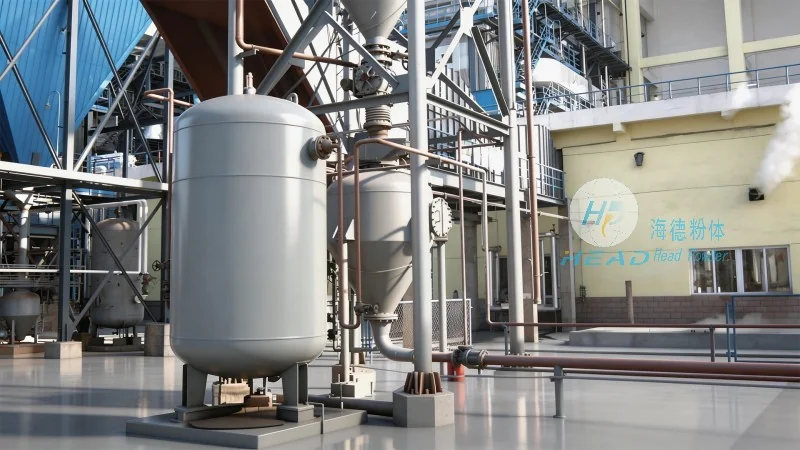
Key Components and Their Roles in the Conveyor Line
Several key components work together to ensure the effective operation of a graphite crushed material conveyor line. The main components include the conveyor belt or chain, drive system, idlers, and load-bearing structures. The conveyor belt is responsible for carrying the graphite particles, while the drive system provides the necessary power to move the belt. Idlers are used to support the belt and maintain its tension, preventing it from sagging or slipping. The load-bearing structures, such as frames and supports, ensure the stability of the entire system under the weight of the material being transported. Each component is carefully selected and designed to withstand the specific challenges posed by graphite, including its tendency to generate static electricity and its potential to cause blockages if not properly maintained.
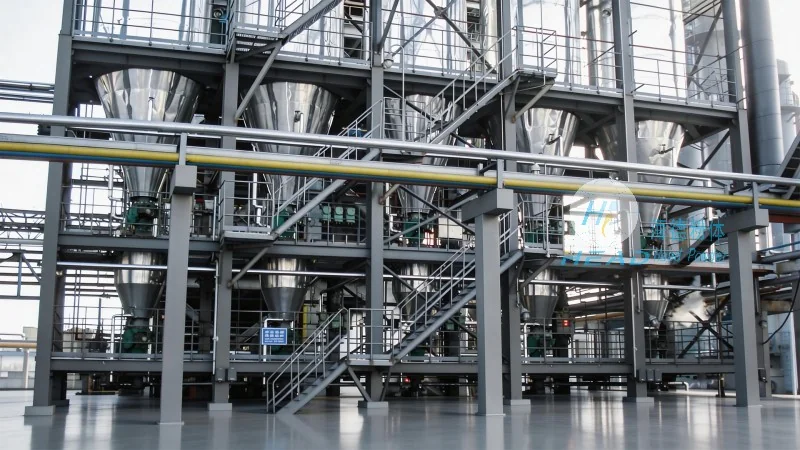
Application Scenarios and Operational Efficiency
Graphite crushed material conveyor lines are used in a variety of industrial applications, including the production of graphite electrodes, lubricants, and other graphite-based products. In these applications, the conveyor line plays a vital role in ensuring that the material is moved efficiently from the crushing or grinding stage to the next processing step. The design of the conveyor line is tailored to the specific requirements of each application, such as the size and shape of the graphite particles, the required throughput, and the environmental conditions of the plant. By optimizing the design of the conveyor line, manufacturers can improve operational efficiency, reduce downtime, and lower maintenance costs. For example, a well-designed conveyor line can handle high volumes of graphite particles without causing blockages or excessive wear, leading to a more stable and productive production process.
The Role of Shandong HeadPowder Engineering Co., Ltd. in Manufacturing Such Systems
Shandong HeadPowder Engineering Co., Ltd., commonly known as HeadPowder, is a leading manufacturer of specialized material handling systems, including graphite crushed material conveyor lines. With years of experience in the industry, HeadPowder has developed a deep understanding of the unique challenges associated with handling graphite and other similar materials. The company's engineers and technicians work closely with clients to design and manufacture conveyor lines that meet their specific needs and operational requirements. HeadPowder's products are known for their durability, efficiency, and reliability, making them a preferred choice for many industrial applications. The company's commitment to quality and customer satisfaction has helped it establish a strong reputation in the market, and it continues to innovate and improve its products to meet the evolving needs of its clients. Whether it's a new conveyor line or an upgrade to an existing system, HeadPowder provides comprehensive solutions that enhance the performance and productivity of the graphite processing plant.




