

What is a Potassium Hydroxide Material Handling Conveyor? What Are Its Design Principles?
For industrial applications involving the transportation of potassium hydroxide (KOH), specialized material handling systems are essential to ensure efficient and safe operation. This article explores the concept of a potassium hydroxide material handling conveyor and delves into its design principles, highlighting the technical aspects and engineering considerations that underpin such systems. The information provided is based on the expertise of Shandong HeadPowder Engineering Co., Ltd., a leading provider of industrial material handling solutions based in China.
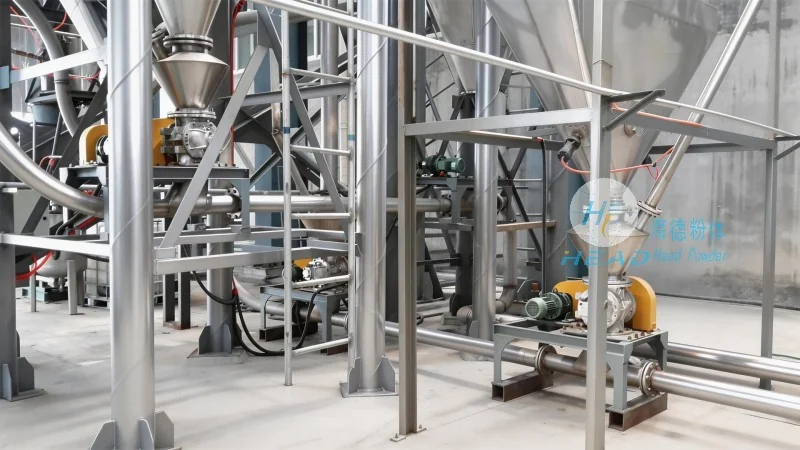
Understanding the Potassium Hydroxide Material Handling Conveyor
A potassium hydroxide material handling conveyor is a specialized piece of equipment designed to transport KOH, a highly caustic and reactive chemical, from one point to another within an industrial facility. These systems are critical in processes where KOH is used as a raw material or intermediate, such as in the production of soaps, detergents, and other chemical products. The primary goal of these conveyors is to move the material safely, efficiently, and in compliance with safety regulations, minimizing the risk of spills, leaks, or exposure to personnel.
Key Components of a Potassium Hydroxide Material Handling Conveyor
The design of a potassium hydroxide material handling conveyor typically involves several key components that work together to ensure reliable operation. These components include:
1. Conveyor Belt or Screw: The primary mechanism for moving the material. For KOH, which is often in solid or slurry form, a screw conveyor or a belt conveyor with appropriate materials of construction (e.g., stainless steel or specialized corrosion-resistant alloys) is commonly used. The choice of conveyor type depends on the form of the material and the required throughput.
2. Materials of Construction: Given KOH's caustic nature, all components that come into contact with the material must be made from materials that can withstand chemical corrosion and high temperatures. Stainless steel (especially 316L or higher grades), Hastelloy, or other corrosion-resistant alloys are typical choices to prevent degradation and ensure long-term durability.
3. Sealing and Gaskets: To prevent leaks and maintain a safe environment, robust sealing systems are essential. Gaskets and seals are designed to withstand the chemical exposure and mechanical stress, ensuring that the conveyor remains leak-proof and compliant with safety standards.
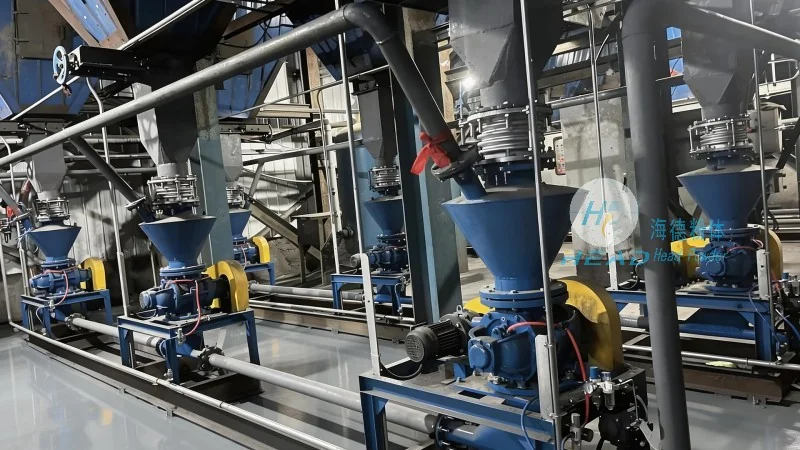
4. Drive System: The drive system provides the power to move the conveyor. It may include electric motors, gearboxes, and control systems that allow for precise speed and load control. The drive system is typically enclosed to protect against chemical exposure and to ensure safe operation.
5. Control and Monitoring Systems: Modern potassium hydroxide material handling conveyors often include advanced control and monitoring systems. These systems may include sensors for level detection, temperature monitoring, and overload protection. They also allow for remote operation and integration with the overall plant control system, enhancing safety and operational efficiency.
Design Principles for Potassium Hydroxide Material Handling Conveyors
The design of a potassium hydroxide material handling conveyor is guided by several key principles to ensure safety, efficiency, and durability. These principles include:
1. Chemical Resistance: The entire system must be resistant to the corrosive effects of KOH. This involves selecting materials that can withstand prolonged exposure to the chemical, preventing degradation and ensuring that the conveyor remains structurally sound over time.
2. Leak Prevention: As KOH is hazardous, any potential for leaks must be minimized. The design incorporates double-sealing mechanisms, gasketed joints, and leak detection systems to ensure that any leaks are immediately identified and addressed.
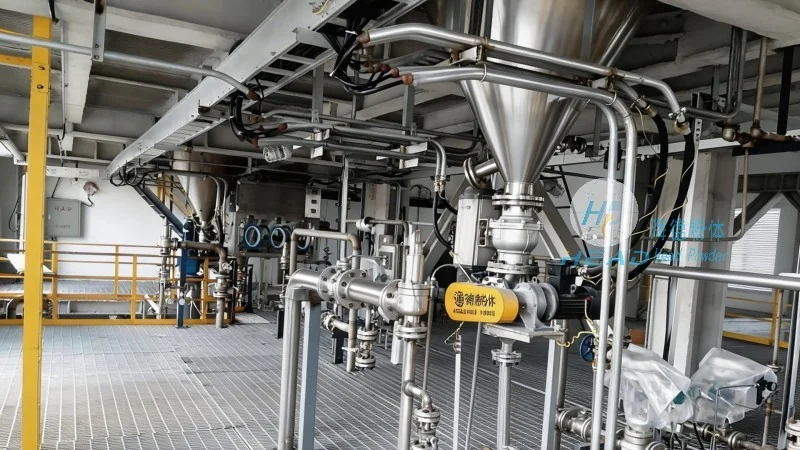
3. Temperature Management: KOH handling may involve processes that generate heat, or the material itself may be at elevated temperatures. The conveyor design must account for thermal expansion and include cooling or insulation where necessary to maintain safe operating temperatures.
4. Load Capacity and Throughput: The conveyor must be designed to handle the expected load and throughput of the application. This involves calculating the required belt width, screw diameter, and motor power based on the material's density, flow rate, and processing requirements.
5. Safety Compliance: All designs must adhere to relevant safety standards and regulations, such as those from OSHA (Occupational Safety and Health Administration) or local industrial safety codes. This includes features like emergency stop buttons, interlocks, and proper ventilation to protect personnel from exposure to KOH fumes or spills.
Applications and Benefits of Potassium Hydroxide Material Handling Conveyors
Potassium hydroxide material handling conveyors are widely used in various industrial applications where KOH is a key component. Some common applications include:
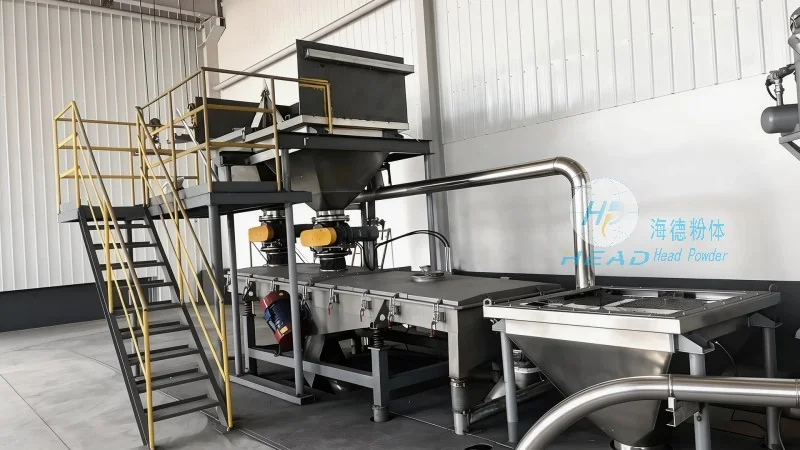
1. Chemical Manufacturing: In the production of soaps, detergents, and other cleaning agents, KOH is often used as a saponification agent. The conveyor system efficiently transports KOH from storage to the reaction vessels, ensuring consistent and safe processing.
2. Pharmaceuticals: In the pharmaceutical industry, KOH may be used in the synthesis of certain active pharmaceutical ingredients (APIs). The specialized conveyor system ensures that the material is handled under controlled conditions, minimizing contamination and ensuring product quality.
3. Food Processing: Although less common, KOH may be used in some food processing applications, such as in the production of certain food additives. The conveyor system provides a safe and hygienic method for transporting the material.
4. Industrial Cleaning: In industrial cleaning processes, KOH may be used as a cleaning agent. The conveyor system allows for the efficient distribution of the cleaning solution to different areas of the facility.
These systems offer several benefits, including improved safety by reducing direct handling of the caustic material, increased efficiency through automated material transport, and reduced labor costs by minimizing manual handling tasks.