

What is a cement clinker material conveying line? What are its design principles?
Understanding the cement clinker material conveying line is crucial for optimizing material handling in cement production facilities. This system is designed to efficiently transport clinker, a key component in cement manufacturing, from the clinker cooler to subsequent processing stages. The design principles behind such a line are centered on reliability, efficiency, and adaptability to the specific operational demands of a cement plant.
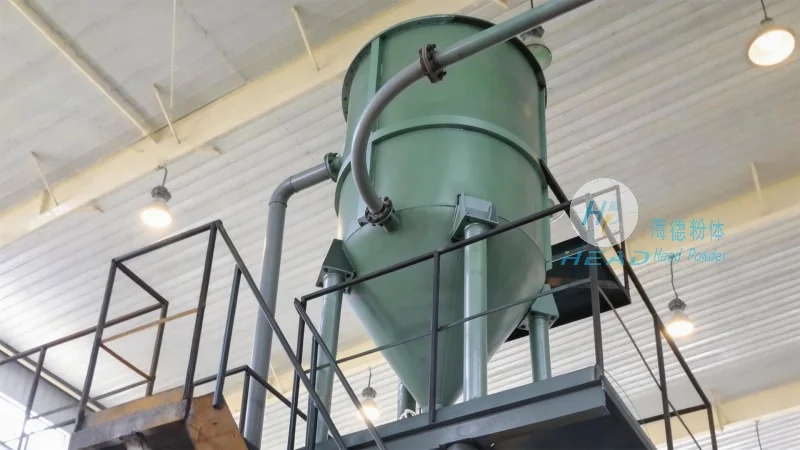
Introduction to Cement Clinker Material Conveying Lines
A cement clinker material conveying line is a specialized system engineered to move clinker, the intermediate product formed during cement production, from the clinker cooler to the cement grinding plant or other downstream processing units. This line typically includes components like belt conveyors, bucket elevators, or pneumatic conveying systems, each chosen based on the plant's scale, layout, and material characteristics. The primary goal is to ensure a continuous, low-loss flow of clinker while minimizing energy consumption and maintenance requirements.
HeadPowder: A Leader in Cement Industry Solutions
Shandong HeadPowder Engineering Co., Ltd., a prominent enterprise based in Shandong, China, specializes in providing advanced material handling solutions for the cement industry. With years of experience and a commitment to innovation, HeadPowder has become a trusted partner for cement manufacturers seeking reliable and efficient conveying systems. The company's expertise lies in customizing conveying lines to meet the unique needs of each client, ensuring optimal performance and longevity.
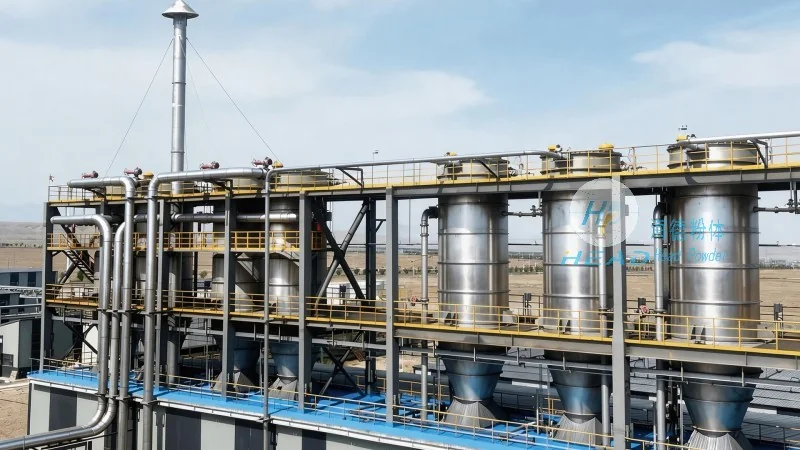
Design Principles of Cement Clinker Conveying Lines
The design of a cement clinker material conveying line follows several key principles to ensure operational excellence. First, the system must be robust enough to handle the abrasive nature of clinker, which can cause wear on equipment components. This is achieved through the use of high-quality materials, such as stainless steel or special alloys, for conveyor belts and buckets. Second, the conveying line is designed for high capacity and continuous operation, as cement production is a continuous process. The design considers factors like the clinker's bulk density, flow characteristics, and the required throughput to determine the appropriate conveyor speed and belt width.
Third, the system incorporates features for safety and maintenance. For example, the inclusion of safety guards, emergency stop mechanisms, and regular maintenance access points ensures that the operation is safe for personnel and that the system can be easily serviced. Additionally, the design may include temperature control measures, as clinker can be hot after cooling, to prevent damage to the conveying equipment. The integration of these principles results in a conveying line that is both efficient and durable, capable of withstanding the harsh conditions of cement production.
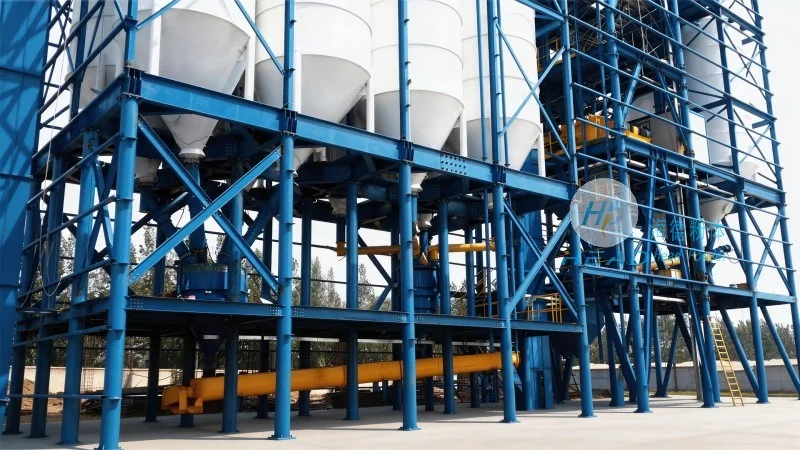
Key Components and Their Functions
A typical cement clinker material conveying line consists of several key components, each playing a vital role in the overall system. The primary components include the clinker cooler discharge conveyor, which moves clinker from the cooler to the main conveying line. This is often followed by a bucket elevator or a high-capacity belt conveyor that elevates the clinker to the required height for further processing. The system may also include a transfer point or a surge bin to regulate the flow and prevent blockages. At the end of the line, the clinker is delivered to the cement grinding plant or a storage silo.
The clinker cooler discharge conveyor is designed to handle the high temperature and abrasive nature of the clinker. It typically uses a heavy-duty belt with a special coating to resist wear and heat. The bucket elevator, if used, is equipped with durable buckets that can withstand the impact and abrasion of the clinker. The transfer point or surge bin is crucial for maintaining a smooth flow, as it can store excess clinker and release it at a controlled rate, preventing overloading of downstream equipment.
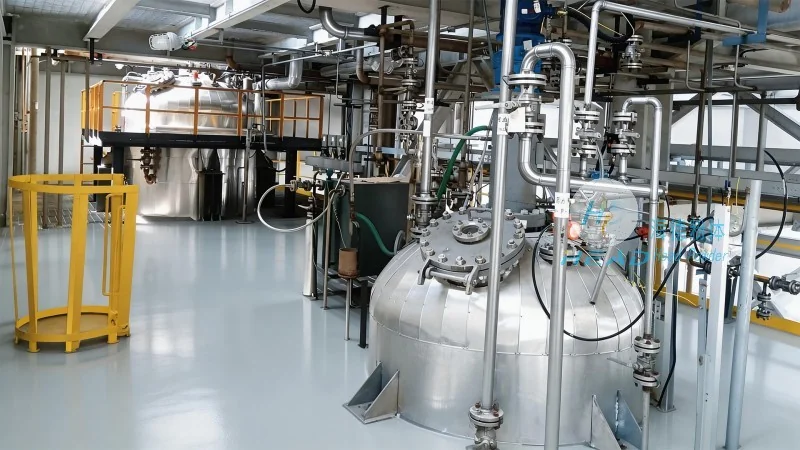
Advantages of a Well-Designed Conveying Line
Implementing a well-designed cement clinker material conveying line offers several advantages for cement manufacturers. First, it improves operational efficiency by ensuring a continuous and reliable flow of clinker, reducing downtime and increasing production capacity. Second, it minimizes material loss and contamination, as the system is designed to handle clinker without spillage or mixing with other materials. Third, it reduces energy consumption by optimizing the conveyor speed and using efficient components, leading to lower operational costs. Finally, the system enhances safety by incorporating protective features and regular maintenance points, reducing the risk of accidents and injuries.
Conclusion and Company Information
In conclusion, a cement clinker material conveying line is a critical component of cement production facilities, designed to efficiently transport clinker from the cooler to downstream processing stages. The design principles behind such a line focus on reliability, efficiency, and durability, ensuring that the system can operate under harsh conditions while meeting the production demands of the cement plant. Shandong HeadPowder Engineering Co., Ltd., with its expertise and commitment to quality, provides customized conveying solutions that enhance the performance and profitability of cement manufacturers. Based in Shandong, China, HeadPowder serves as a trusted partner for businesses seeking advanced material handling solutions in the cement industry.