

What is a Sawdust and Wood Flakes Material Conveying Line? And What Are Its Design Principles?
When it comes to processing sawdust and wood flakes, the efficiency of material handling is crucial. A specialized system known as a sawdust and wood flakes material conveying line is designed to address these needs, ensuring smooth and efficient transport of these materials. This article will explore what such a line entails and delve into its underlying design principles.
Understanding the Sawdust and Wood Flakes Material Conveying Line
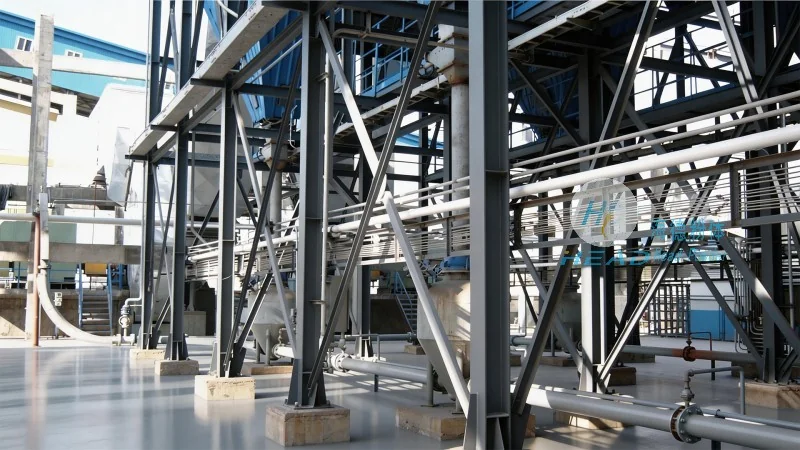
The sawdust and wood flakes material conveying line is a sophisticated piece of equipment engineered to handle the transportation of sawdust and wood flakes from one location to another within a processing facility. These materials are typically produced during woodworking operations and require specialized handling due to their lightweight, fine texture, and potential for dust generation. The conveying line is designed to minimize material loss, prevent contamination, and maintain consistent flow rates, which are critical for downstream processes like pelletizing, briquetting, or further processing.
About HeadPowder Engineering: A Leader in Material Handling Solutions
At the heart of many effective material conveying systems is the expertise and innovation of companies like Shandong HeadPowder Engineering Co., Ltd., commonly known as HeadPowder. HeadPowder is a reputable manufacturer and supplier of industrial equipment, specializing in solutions for the wood processing and related industries. With a strong presence in China, particularly in Shandong, HeadPowder has built a reputation for delivering high-quality, reliable equipment tailored to the specific demands of sawdust and wood flakes handling. The company’s commitment to quality, customer satisfaction, and technological advancement positions it as a trusted partner for businesses seeking efficient material handling solutions.
Design Principles of the Sawdust and Wood Flakes Material Conveying Line
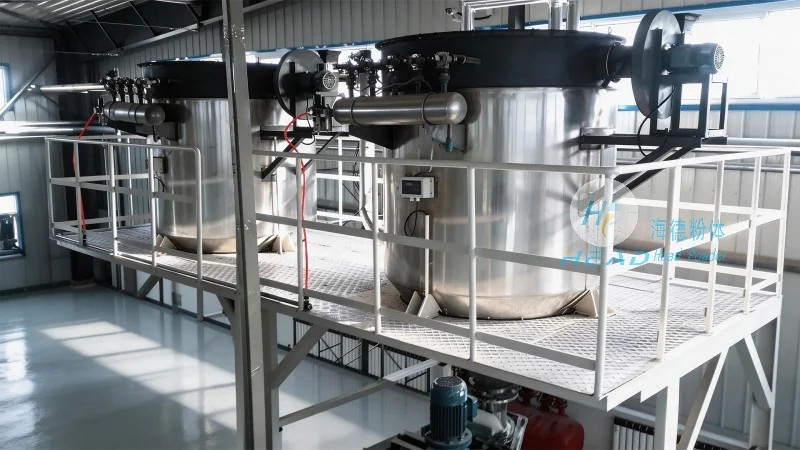
The design of a sawdust and wood flakes material conveying line is based on several key principles aimed at optimizing performance and reliability. First, the system must address the unique characteristics of the materials being transported. Sawdust and wood flakes are lightweight and can easily become airborne, which necessitates enclosed or semi-enclosed conveying systems to control dust and ensure a consistent flow. The design incorporates components such as feed hoppers, conveyor belts or screws, and dust collection systems to manage these challenges effectively.
Second, the conveying line is engineered for durability and low maintenance. Given the abrasive nature of sawdust and wood flakes, the equipment must be constructed from materials that can withstand wear and tear over time. This includes the use of high-quality metals and wear-resistant coatings on conveyor components. The design also considers the need for easy access for maintenance, with features like removable panels and accessible drive systems to minimize downtime.
Third, the system is designed for efficiency and energy conservation. The conveying line incorporates mechanisms to maintain consistent material flow, reducing the risk of blockages or uneven distribution. Variable speed drives and intelligent control systems are often integrated to adjust the conveying rate based on the volume of material, optimizing energy use and operational costs. Additionally, the design prioritizes safety, with features such as emergency stop buttons and protective guards to ensure the well-being of operators.
Key Components and Their Functions
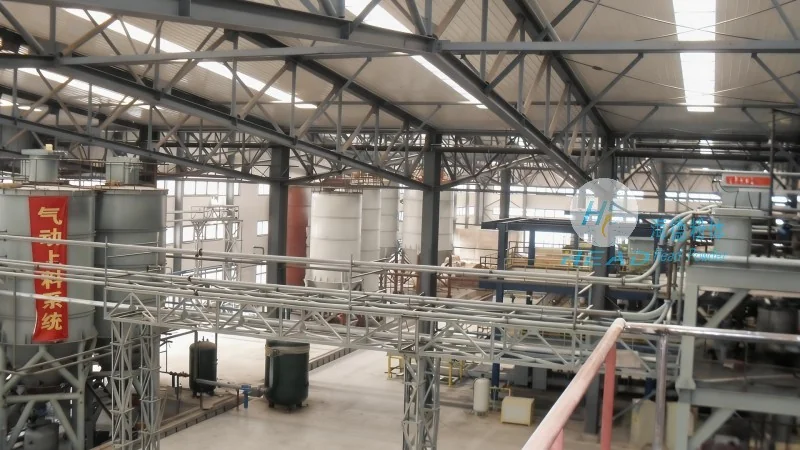
A typical sawdust and wood flakes material conveying line consists of several interconnected components, each playing a vital role in the overall operation. The feed hopper is the initial component, where raw sawdust or wood flakes are loaded. It is designed to evenly distribute the material into the conveyor system, preventing overloading and ensuring a smooth start to the conveying process. The conveyor itself, which can be a belt conveyor, screw conveyor, or pneumatic conveyor, is responsible for moving the material through the system. Belt conveyors are commonly used for horizontal or slight incline transport, while screw conveyors are ideal for vertical or steep incline applications due to their ability to handle fine materials without clogging.
The dust collection system is another critical component, designed to capture and filter the airborne particles generated during the conveying process. This not only improves air quality but also prevents material loss and ensures compliance with environmental regulations. The system typically includes filters, fans, and collection bins to effectively manage dust and maintain a clean working environment.
Applications and Benefits in Wood Processing
The sawdust and wood flakes material conveying line finds extensive application in various stages of wood processing. In pellet production, for example, the conveying line is used to transport raw sawdust to the pellet mill, ensuring a steady supply of material for efficient pellet formation. In briquetting processes, the line helps move the material to the briquetting press, where it is compressed into uniform briquettes. Additionally, the system is used in the production of wood flour or other wood-based products, where consistent material flow is essential for quality control.
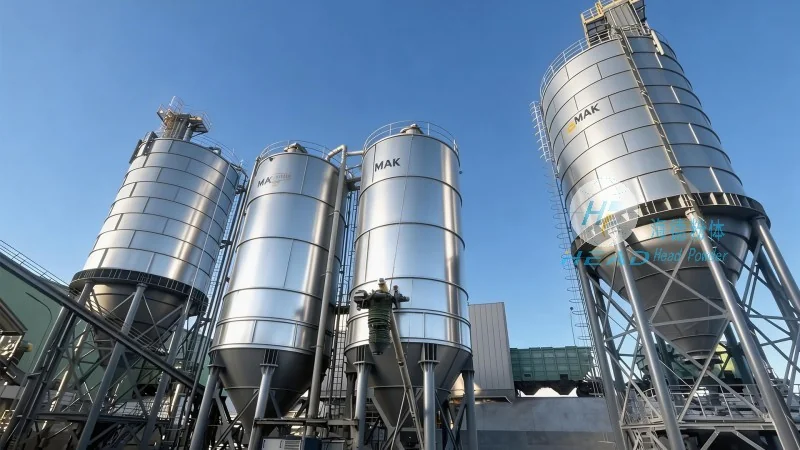
The benefits of using a specialized conveying line for sawdust and wood flakes are significant. It enhances operational efficiency by reducing manual handling and minimizing material loss. It improves safety by controlling dust and preventing accidents. It also contributes to cost savings through energy-efficient operation and reduced maintenance requirements. Furthermore, the system ensures consistent material quality, which is crucial for meeting the standards of downstream processing and end products.
Conclusion
In summary, the sawdust and wood flakes material conveying line is a vital component in modern wood processing facilities, designed to handle the unique challenges of transporting lightweight, fine materials. The design principles, including dust control, durability, and efficiency, are carefully considered to ensure optimal performance. Companies like Shandong HeadPowder Engineering Co., Ltd. play a crucial role in providing these specialized systems, leveraging their expertise and innovation to meet the demands of the industry. By investing in such a conveying line, businesses can enhance their operational efficiency, improve safety, and achieve consistent quality in their wood processing operations.