

What is a Chromium(III) Oxide Material Conveying Line? And What Are Its Design Principles?
Chromium(III) oxide, also known as chromium sesquioxide, is a widely used inorganic compound with the chemical formula Cr₂O₃. It is commonly employed in various industrial applications, including pigments, catalysts, and electronic components. The efficient and safe transportation of this material is crucial for industrial processes, which is where specialized material conveying lines come into play. This article explores the concept of a Chromium(III) oxide material conveying line and delves into its fundamental design principles.
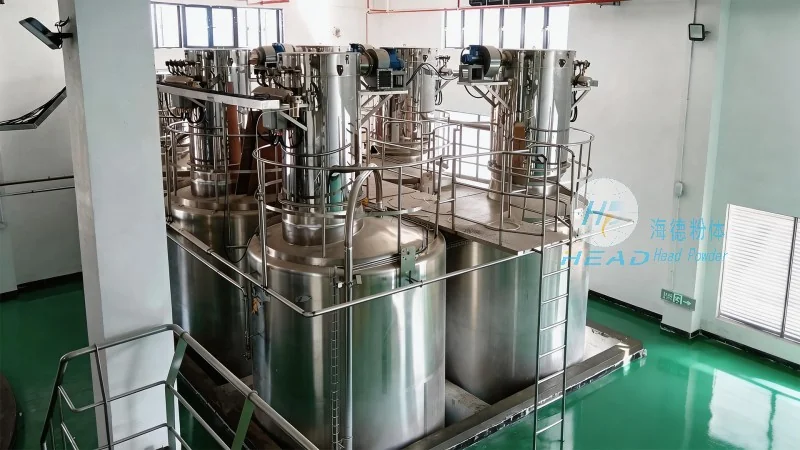
About Shandong HeadPowder Engineering Co., Ltd.
Shandong HeadPowder Engineering Co., Ltd., commonly known as HeadPowder, is a leading manufacturer and supplier of advanced material handling solutions. With a strong presence in China, particularly in Shandong province, the company specializes in designing and manufacturing custom conveying systems tailored to the unique needs of various industries. HeadPowder's expertise lies in creating reliable and efficient material conveying lines that ensure the safe and effective transport of powders and bulk materials, including chromium(III) oxide.
Design Principles of a Chromium(III) Oxide Material Conveying Line
The design of a Chromium(III) oxide material conveying line is a complex process that requires careful consideration of several key factors to ensure optimal performance, safety, and efficiency. The primary goal is to transport the material from its source to its destination while minimizing dust generation, maintaining product integrity, and ensuring compliance with safety regulations. Several critical design principles are typically incorporated into the system:
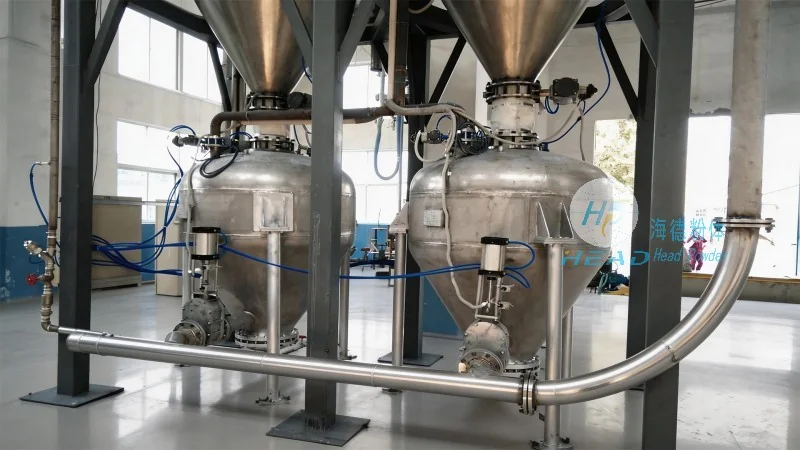
Firstly, material flow control is a fundamental aspect. The conveying line must be designed to handle the specific properties of chromium(III) oxide, such as its particle size (typically ranging from 1 to 200 microns), density (about 5.2 g/cm³), and flow characteristics. This often involves the use of specialized components like feeders, hoppers, and chutes that are tailored to the material's behavior. For example, the material may be prone to bridging or segregation, which can be mitigated through the use of vibratory feeders or air-assisted conveying systems. The design must also account for the material's potential to generate electrostatic charges, as this can affect flow and safety. Proper grounding and antistatic measures are therefore essential components of the system. This includes installing grounding straps on equipment and using conductive materials in the construction of the conveying line to prevent static buildup.
Secondly, the choice of equipment and materials is critical. The conveying line must be constructed from materials that are compatible with chromium(III) oxide and resistant to corrosion or chemical reactions. Stainless steel, particularly 316L or 304, is a common choice due to its durability and resistance to oxidation. The components, including pipes, valves, and fittings, must be designed to prevent material buildup and ensure easy cleaning and maintenance. The system may also incorporate dust collection and filtration systems to comply with environmental regulations and maintain a safe working environment. For instance, cyclone separators or baghouse filters can be used to capture fine particles and prevent their release into the atmosphere.
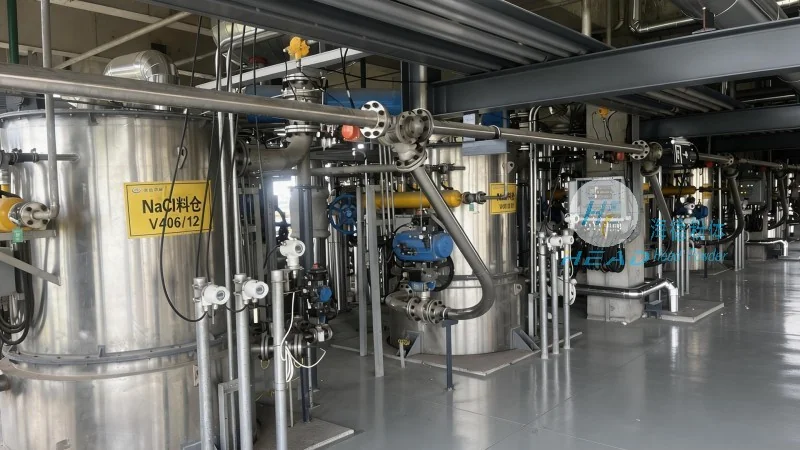
Thirdly, the integration of automation and control systems enhances the overall efficiency and safety of the conveying line. Modern conveying systems often include sensors, control panels, and monitoring devices that allow for real-time tracking of material flow, pressure, and temperature. This enables operators to detect and address issues promptly, reducing downtime and improving productivity. The control systems may also be integrated with other industrial processes, allowing for seamless coordination and optimization of the entire production line. For example, the conveying line can be linked to the production control system to adjust feed rates based on demand, ensuring a consistent supply of chromium(III) oxide to downstream processes.
Finally, safety and compliance are paramount. The design must adhere to relevant safety standards and regulations, such as those related to dust explosion prevention and occupational health. This may involve the use of explosion-proof components, proper ventilation systems, and emergency shut-off mechanisms. The system must also be designed to minimize the risk of exposure to chromium(III) oxide, which is a potential health hazard if inhaled or ingested. Personal protective equipment (PPE) and proper ventilation are essential in the operation of the conveying line to protect workers. Additionally, the system may include interlocks that prevent operation if safety parameters are exceeded, further enhancing the safety of the operation.