

What is a Rigid Polystyrene Material Conveying Line? And What Are Its Design Principles?
When it comes to efficiently handling rigid polystyrene materials in industrial settings, the design and functionality of a specialized conveying line play a crucial role. This article delves into the core aspects of rigid polystyrene material conveying lines, exploring their design principles and how they contribute to seamless material transport processes. As a leading manufacturer in the field, Shandong HeadPowder Engineering Co., Ltd. (HeadPowder) provides insights into the technical and practical considerations that define these essential industrial systems.
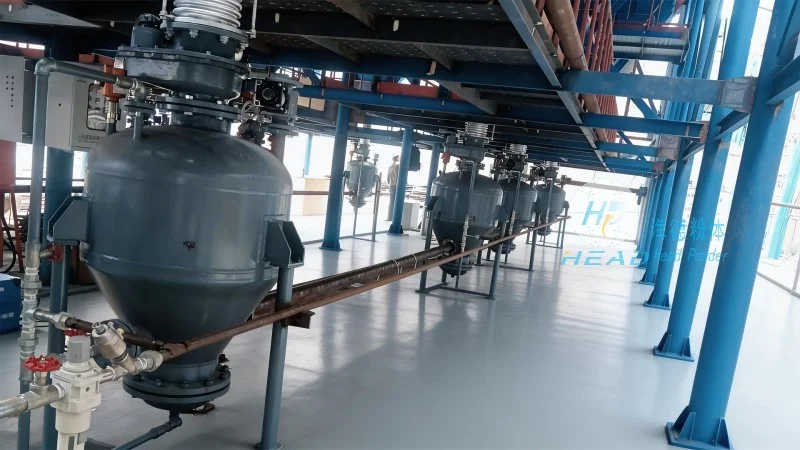
The Role of Rigid Polystyrene Material Conveying Lines in Industrial Operations
Rigid polystyrene, widely used in packaging, insulation, and various manufacturing applications, requires specialized equipment to ensure safe and efficient movement. A rigid polystyrene material conveying line is a system engineered to transport these materials from one point to another within a production facility. The primary goal is to enhance productivity, minimize material handling errors, and maintain the integrity of the polystyrene products throughout the process. HeadPowder, with its expertise in material handling solutions, focuses on creating conveying lines that meet the specific demands of rigid polystyrene processing.
Key Design Principles of Rigid Polystyrene Material Conveying Lines
The design of a rigid polystyrene material conveying line involves several critical principles that ensure optimal performance. First, the system must be constructed from materials that are compatible with polystyrene, avoiding any chemical reactions or contamination. Typically, components such as conveyors, hoppers, and chutes are made from durable, non-reactive materials like stainless steel or specialized plastics. This ensures that the polystyrene remains in pristine condition during transport. Second, the conveying line is designed to handle the physical properties of rigid polystyrene, including its density, hardness, and potential for breakage. The system incorporates features like gentle handling mechanisms, such as belt conveyors or roller systems, to prevent damage to the polystyrene pieces. Third, the design emphasizes energy efficiency and operational reliability. This includes the use of variable speed drives, which allow for precise control over the conveying speed, and robust motor systems that ensure consistent performance over long periods. Additionally, the layout of the conveying line is optimized for space efficiency, often integrating with existing production lines to minimize footprint and operational costs.
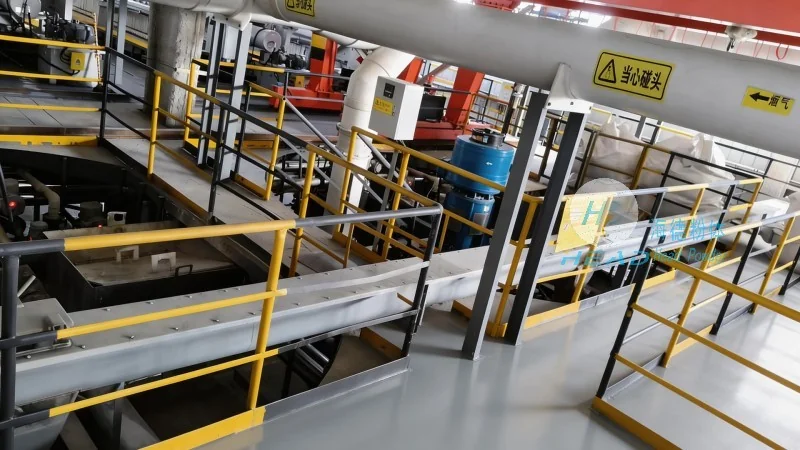
Components and Functional Aspects of the Conveying Line
A rigid polystyrene material conveying line typically consists of several interconnected components, each serving a specific function in the material transport process. The primary components include a hopper for material storage, a feeding mechanism to control the flow of polystyrene into the conveyor, the conveyor itself (which may be a belt, screw, or chain system), and a discharge mechanism to deliver the material to its destination. The hopper is designed to hold a sufficient quantity of polystyrene, ensuring a steady supply to the conveyor. The feeding mechanism, often a rotary valve or a screw feeder, regulates the rate at which polystyrene enters the conveyor, preventing overloading and maintaining consistent flow. The conveyor system is the heart of the line, responsible for moving the polystyrene along the designated path. For rigid polystyrene, belt conveyors are commonly used due to their ability to handle irregularly shaped pieces without causing damage. The belts are typically made of durable materials like rubber or synthetic fabrics, with appropriate coatings to prevent material buildup and ensure smooth movement. The conveyor may also include idlers and supports to maintain proper alignment and reduce friction, enhancing efficiency. The discharge mechanism, such as a chute or a rotary discharge valve, directs the polystyrene to the next stage of processing or storage. This component is designed to handle the material's characteristics, ensuring that it is discharged smoothly and without spillage. Additionally, the conveying line may include sensors and control systems to monitor the flow rate, detect blockages, and adjust operations automatically. These features contribute to the overall reliability and safety of the system, minimizing downtime and ensuring consistent performance.
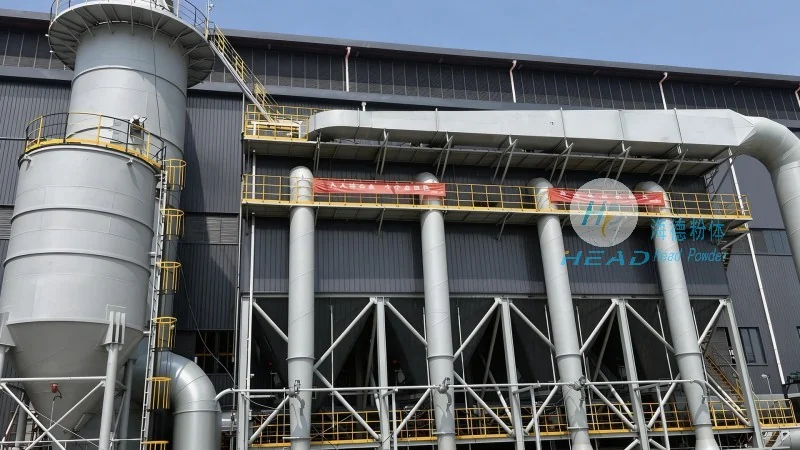
Advantages and Practical Applications of Rigid Polystyrene Conveying Lines
The implementation of a rigid polystyrene material conveying line offers numerous advantages for industrial operations. Firstly, it significantly improves material handling efficiency by automating the transport process, reducing the need for manual labor and minimizing the risk of human error. This leads to increased productivity and reduced labor costs. Secondly, the system enhances product quality by ensuring that polystyrene materials are handled gently, preventing damage that could affect their performance in end-use applications. This is particularly important for applications where the integrity of the polystyrene is critical, such as in packaging or insulation. Thirdly, the conveying line contributes to operational safety by reducing the risk of accidents associated with manual material handling, such as slips, trips, or injuries from handling heavy or irregularly shaped pieces. Fourthly, the system is designed for flexibility, allowing for easy integration with existing production lines and adaptability to changing production demands. This makes it suitable for a wide range of applications, from small-scale manufacturing to large-scale industrial operations. HeadPowder's rigid polystyrene material conveying lines are tailored to meet the specific needs of various industries, including packaging, construction, and automotive manufacturing. They are used in processes such as material sorting, feeding, and transport to assembly lines or storage areas. The lines are also suitable for applications that require the handling of polystyrene in bulk, such as in the production of polystyrene foam or molded parts. Overall, the advantages of rigid polystyrene material conveying lines make them an essential component of modern industrial operations, contributing to improved efficiency, product quality, and safety.
Conclusion and Company Overview
In conclusion, rigid polystyrene material conveying lines are sophisticated systems designed to efficiently transport rigid polystyrene materials in industrial settings. The design principles, components, and functional aspects of these lines are carefully engineered to ensure optimal performance, safety, and reliability. As a leading manufacturer, Shandong HeadPowder Engineering Co., Ltd. specializes in creating customized conveying lines that meet the unique requirements of rigid polystyrene processing. With a focus on quality, efficiency, and innovation, HeadPowder provides solutions that enhance productivity and product quality in various industrial applications. The company's expertise in material handling technology ensures that its conveying lines are built to withstand the demands of industrial environments, providing long-term value to its clients. By understanding the design principles and applications of rigid polystyrene material conveying lines, industries can leverage these systems to improve their operational efficiency and achieve their production goals.