

What Are Fast Loading Material Handling Systems? Understanding Their Design Principles
Fast loading material handling systems represent a critical advancement in industrial automation, enabling businesses to achieve unprecedented levels of efficiency in material transport and processing. These systems are designed to handle a wide range of materials, from bulk commodities to delicate components, with speed and precision that traditional manual or semi-automated systems cannot match. The core objective of such systems is to minimize the time and effort required to move materials between different stages of production, thereby reducing overall production cycle times and increasing output capacity.
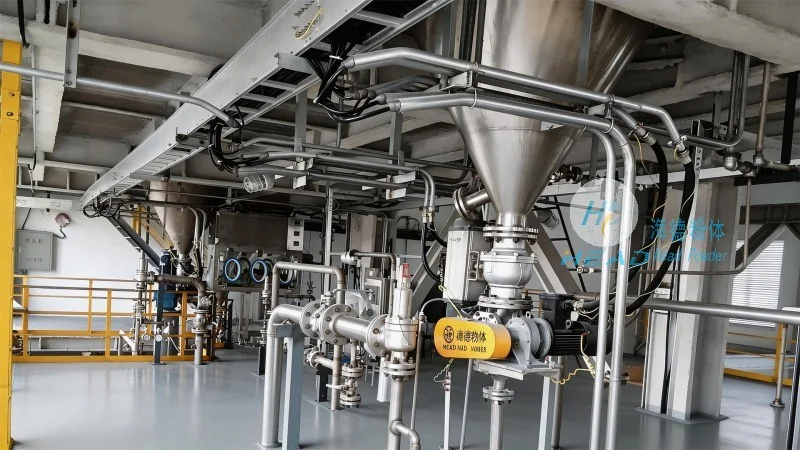
Key Components and Functional Integration in Fast Loading Material Handling Systems
The effectiveness of fast loading material handling systems is largely attributed to their integrated design, which combines several mechanical and electronic components to achieve coordinated operation. Primary components include high-speed conveyor systems, automated guided vehicles (AGVs), robotic handling units, and advanced control panels. High-speed conveyor belts, often equipped with variable speed drives and adjustable inclines, facilitate rapid movement of materials over short to medium distances. AGVs, equipped with sensors and navigation systems, can autonomously travel through factory floors, transporting materials between different workstations or storage areas. Robotic arms, integrated with precision grippers and vision systems, handle tasks such as picking, placing, and sorting materials with high accuracy and speed. The control system, typically based on programmable logic controllers (PLCs) or industrial computers, coordinates the operation of all components, ensuring smooth and synchronized material flow.
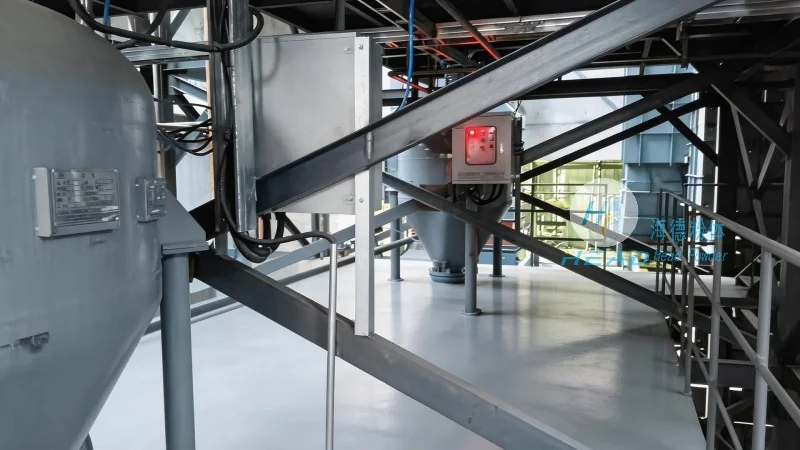
Design Principles Guiding the Development of Fast Loading Material Handling Systems
The design of fast loading material handling systems follows several fundamental principles aimed at optimizing performance, reliability, and adaptability. First, the principle of modularity is applied, allowing for the integration of different components that can be easily replaced or upgraded as technology advances or operational needs change. This modularity enhances the system's flexibility and reduces long-term maintenance costs. Second, the principle of energy efficiency is considered, with the use of energy-saving motors and optimized system layouts to minimize power consumption without compromising speed or performance. Third, the principle of safety is paramount, with the incorporation of multiple safety features such as emergency stop buttons, collision detection sensors, and automated braking systems to protect both personnel and equipment. Additionally, the design emphasizes ease of maintenance, with accessible components and diagnostic tools that allow technicians to quickly identify and resolve issues, minimizing downtime.
Applications and Operational Benefits in Various Industries
Fast loading material handling systems are widely adopted across diverse industrial sectors, each benefiting from the unique capabilities of these systems. In the automotive industry, these systems efficiently transport large and heavy components, such as engine blocks or chassis parts, between assembly lines, supporting high-volume production. In the electronics manufacturing sector, they handle small and sensitive components, like circuit boards or microchips, with precision, reducing the risk of damage and improving product yield. The pharmaceutical industry also utilizes these systems for the handling of sterile materials and sensitive pharmaceutical products, ensuring compliance with stringent quality and safety standards. The operational benefits of implementing fast loading material handling systems are substantial, including reduced labor costs, increased production speed, and improved product quality. Moreover, the ability to integrate these systems with existing production lines allows businesses to upgrade their operations gradually, without disrupting ongoing production.
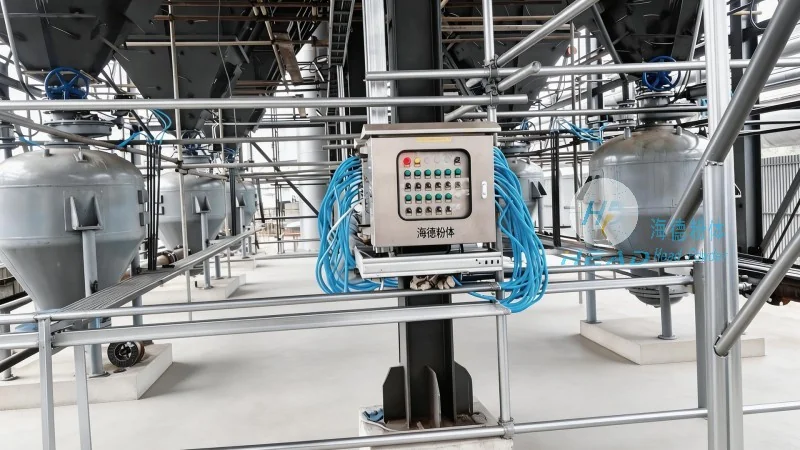
Company Overview: Shandong HeadPowder Engineering Co., Ltd.
Shandong HeadPowder Engineering Co., Ltd., operating under the brand name HeadPowder, is a reputable company specializing in the engineering and manufacturing of advanced material handling solutions. HeadPowder has built a strong reputation for delivering high-quality, customized systems that meet the specific requirements of its clients. The company's headquarters is situated in Shandong, China, where it leverages its extensive experience in mechanical engineering, automation, and material handling to develop innovative solutions. HeadPowder's team comprises skilled engineers, technicians, and project managers who work collaboratively with clients to understand their operational challenges and design tailored solutions. The company adheres to international quality standards and employs rigorous testing procedures to ensure that its products meet the highest performance and safety requirements. With a commitment to customer satisfaction and technological advancement, HeadPowder continues to be a leading provider of fast loading material handling systems in the global market.